
Views: 0 Author: Site Editor Publish Time: 2025-10-27 Origin: Site


Are your car headlights bright enough for safe night driving? With advancements in automotive lighting, drivers now have options beyond traditional halogen headlights. Brightness is crucial, impacting visibility and road safety. In this post, you'll learn about LED and halogen headlights, comparing their performance, efficiency, and cost. Discover which option best suits your needs.
Halogen headlights have been a staple in automotive lighting since the 1960s. They evolved from traditional incandescent bulbs, which used a tungsten filament to produce light. The key innovation in halogen bulbs is the addition of halogen gas inside the glass enclosure. This gas helps recycle tungsten vapor back onto the filament, extending the bulb’s lifespan and allowing it to operate at higher temperatures. This technology made halogen bulbs brighter and more durable compared to older incandescent lamps.
Halogen headlights work by passing an electric current through a tungsten filament. The filament heats up and emits light. The bulb contains halogen gas, which slows down the evaporation of the tungsten filament, allowing it to burn hotter and brighter without burning out quickly. The light produced has a warm, yellowish glow. This glow is less glaring to other drivers but offers moderate illumination for the driver.
The design of halogen bulbs is simple and effective. The filament's position and size are crucial since the headlight’s reflector or projector system focuses the light beam based on this. The beam pattern includes a cut-off line to prevent blinding oncoming traffic and a hotspot where the light is most intense, providing visibility where it’s needed most.
Pros:
Cost-effective: Halogen bulbs are inexpensive to manufacture and replace, usually costing between £5 and £20.
Simple to replace: Swapping out halogen bulbs is straightforward and often doable without professional help.
Less glare: The warm yellow light is less dazzling to other drivers, reducing the chance of causing discomfort or accidents.
Cons:
Lower brightness: Halogen bulbs produce less light compared to modern alternatives, limiting visibility at night.
High power consumption: They use more energy, roughly 80% more than LEDs, which can strain the vehicle’s electrical system.
Shorter lifespan: Halogen bulbs typically last around 800 hours, meaning more frequent replacements.
Heat generation: Much of the energy is lost as heat rather than light, reducing efficiency.
Halogen headlights remain popular, especially in budget and older vehicles, due to their low cost and ease of replacement. However, their limitations in brightness and energy efficiency have led to the rise of newer lighting technologies like LEDs.
LED headlights use Light Emitting Diodes to produce illumination. Unlike halogen bulbs that rely on heated filaments, LEDs generate light by passing electricity through tiny semiconductor chips. This process emits photons, creating a bright, white light. The design allows LEDs to be smaller, more durable, and more energy-efficient than halogen bulbs.
LEDs don’t require gases or filaments, so they produce less heat and have a more focused beam. Their compact size enables manufacturers to design headlights in various shapes and configurations, including adaptive and matrix systems. These advanced setups can selectively turn on or off individual LEDs to avoid dazzling other drivers while maximizing road visibility.
Brightness and Clarity: LEDs emit a bright, white light that improves contrast and visibility at night. This helps drivers see road signs, obstacles, and markings more clearly compared to the yellowish glow of halogen bulbs.
Energy Efficiency: LEDs consume roughly 80% less power than halogen headlights, reducing the load on the vehicle’s electrical system. This efficiency can contribute to better fuel economy, especially in electric vehicles where power conservation is critical.
Long Lifespan: LED headlights can last up to 25,000 hours, significantly outlasting halogen bulbs which average around 800 hours. This reduces the frequency and cost of replacements.
Design Flexibility: The small size of LEDs allows for innovative headlight designs, including adaptive lighting that adjusts beam patterns based on driving conditions.
Durability: LEDs are solid-state lights, making them more resistant to shock and vibration than fragile halogen filaments.
Cost: LED headlights are more expensive upfront. Replacement units or assemblies can cost several hundred pounds, especially since many modern cars require complete headlight unit replacements rather than just bulbs.
Compatibility Issues: Not all vehicles are designed to accommodate LED bulbs. Some LED bulbs may not fit properly in existing headlight housings, especially projector-style units, leading to poor beam patterns or glare.
Glare Risk: If LEDs are not correctly positioned or designed to match the original filament’s location, they can scatter light and cause glare for oncoming drivers. This is a common problem with some aftermarket LED bulbs.
Heat Management: Although LEDs generate less heat than halogens, the heat they do produce is concentrated at the diode chip. This requires built-in cooling mechanisms such as fans or heat sinks, which can add complexity and potential points of failure.
Legal and Regulatory Restrictions: In some regions, swapping halogen bulbs for LED replacements in existing housings may not be legal due to safety standards and certification requirements.
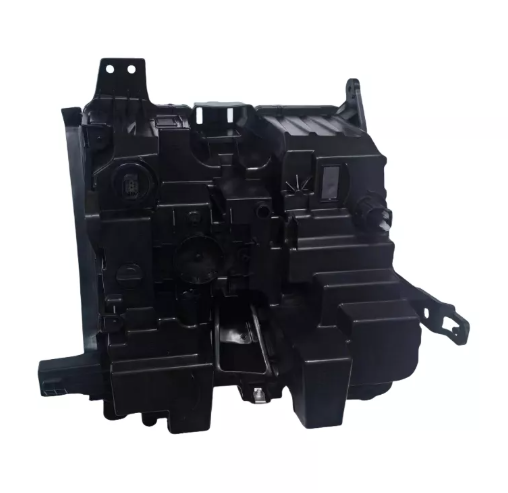
Brightness in headlights is commonly measured in lumens, which quantify total light output. Halogen bulbs typically produce around 1,000 to 1,500 lumens. LEDs, on the other hand, can emit anywhere from 1,600 lumens up to 8,000 lumens per bulb, depending on design and quality.
However, lumen numbers alone don't tell the whole story. Lumens measure total light emitted, but not how well the light is directed onto the road. A bulb with high lumens but poor beam focus can scatter light, causing glare for other drivers and reducing usable visibility.
The position and size of the light source inside the bulb are critical. Halogen filaments are small and placed precisely to work with the headlight’s reflector or projector lens, creating a sharp beam with a clear cut-off line. LEDs must mimic this filament position to produce a similar beam pattern. If the LED chips are too large or misplaced, the light scatters, reducing effective brightness on the road despite high lumen ratings.
In real driving conditions, well-designed LED headlights generally outperform halogen bulbs in brightness and clarity. LEDs produce a crisp white light that enhances contrast, making road signs, obstacles, and markings easier to see at night.
However, not all LED bulbs are created equal. Many aftermarket LED bulbs claim extremely high lumen outputs but fail to fit properly into the headlight housing or replicate the filament’s position. This results in poor beam patterns, glare, and less effective illumination than standard halogens.
High-quality LED bulbs from reputable manufacturers, designed specifically for the vehicle’s headlight type, offer a wider and more intense hotspot than halogens. This provides better distance vision and peripheral illumination. Some LEDs even improve the cut-off sharpness, reducing glare to oncoming traffic.Conversely, halogen bulbs produce a warm yellow light with a narrower beam and shorter reach. While less bright, they tend to cause less glare and are simpler to replace.
Brightness directly affects driver visibility and reaction time. Brighter, well-focused headlights allow drivers to see hazards earlier and more clearly, improving safety.LED headlights, when properly designed and installed, enhance road safety by increasing visibility distance by up to 25-30% compared to halogens. Their white light improves contrast, helping drivers identify pedestrians, animals, and road signs more quickly.However, poor-quality LED bulbs with incorrect positioning can cause scattered light and glare, endangering other road users. This can lead to accidents and legal issues.Halogen headlights, while less bright, produce a softer light that reduces glare risk but limits visibility range. This trade-off is important in areas with heavy traffic or frequent oncoming vehicles.
In summary, LED headlights can be significantly brighter and safer than halogen bulbs if the LED units are correctly designed to match the original bulb’s light source position and fit properly in the headlight housing.
LED headlights use much less power than halogen bulbs. Typically, halogen headlights consume about 55 watts, while LED headlights only draw around 30 watts or less. This means LEDs use nearly 50% less electricity to produce the same or even better illumination. Lower power consumption reduces the load on your vehicle’s electrical system, which can improve fuel efficiency, especially important for electric and hybrid cars. Also, less power use means less heat generated, helping protect headlight components and nearby parts.
One of the biggest advantages of LED headlights is their long lifespan. Halogen bulbs usually last around 800 hours, so you may replace them every year or two depending on usage. In contrast, LEDs can last over 25,000 hours—more than 30 times longer. This means LEDs often outlive the vehicle itself, reducing maintenance and replacement costs significantly. The longer lifespan also means fewer instances of driving with a burned-out headlight, enhancing safety.
Because LEDs consume less energy and last longer, they have a smaller environmental footprint compared to halogen bulbs. Fewer replacements mean less waste and fewer resources used in manufacturing and shipping. Additionally, the reduced power demand helps lower fuel consumption and emissions in gasoline or diesel cars. However, LED headlights require electronic components like heat sinks or small fans to manage heat, which can complicate recycling. Still, the overall environmental impact favors LEDs due to their efficiency and durability.
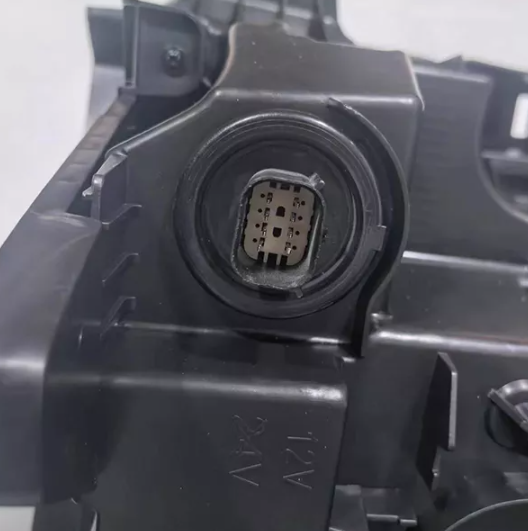
LED headlights come with a higher upfront price tag compared to halogen bulbs. A typical halogen bulb costs between £5 and £20, making it affordable for most drivers. In contrast, LED bulbs or headlight assemblies can cost several hundred pounds, especially for premium brands or complete unit replacements. This initial expense can seem steep, particularly for older cars or budget-conscious buyers.
However, LED headlights offer significant long-term savings. Their lifespan can reach up to 25,000 hours, vastly outlasting halogen bulbs, which usually last around 800 hours. This means fewer replacements over the vehicle's lifetime, reducing maintenance costs and inconvenience. Additionally, LEDs consume less power, which can slightly improve fuel efficiency and reduce strain on the electrical system.
In summary, while halogen bulbs are cheaper upfront, LEDs provide better value over time through durability and energy savings.
Installing LED headlights isn’t always a simple bulb swap. Many modern vehicles have complex headlight housings designed specifically for halogen bulbs. LED bulbs often differ in size, shape, and heat management requirements. For example, LED bulbs need built-in cooling systems like fans or heat sinks, which can be bulkier than halogen bulbs.
Compatibility issues arise when LED bulbs don’t fit properly into the existing headlight housing. If the LED chip isn’t positioned where the halogen filament was, the beam pattern can distort, causing poor road illumination or glare to other drivers. This is especially problematic in projector-style headlights, where precise light placement is critical.
Some vehicles use unique bulb holders or locking mechanisms that don’t accommodate standard LED replacements, requiring adapters or professional modifications. In some cases, the entire headlight assembly must be replaced to properly fit LED technology.
Therefore, it’s essential to verify your vehicle’s compatibility before upgrading. Consulting manufacturer guidelines or professional installers can prevent costly mistakes.
Automotive lighting keeps evolving rapidly. LED headlights have become the norm for many new vehicles, replacing halogen bulbs due to their efficiency and brightness. Beyond LEDs, manufacturers explore adaptive lighting systems that adjust beam patterns automatically based on driving conditions, weather, and traffic. Matrix LED technology, for example, can switch individual LEDs on or off to avoid dazzling oncoming drivers while maintaining optimal illumination.
Laser headlights are another emerging trend. They offer even greater brightness and range than LEDs but come with higher costs and complexity. Some luxury and high-performance models already feature laser lights, signaling a potential future direction.
Ambient and decorative lighting also grows in popularity. These add to vehicle aesthetics and improve visibility in parking or low-speed scenarios. Smart lighting systems integrate sensors and cameras to enhance safety by detecting pedestrians or road signs and adjusting light accordingly.
LED technology itself continues to advance. Manufacturers focus on improving chip efficiency, reducing size, and enhancing heat management. Smaller LED chips placed precisely where halogen filaments used to be help create better beam patterns that reduce glare and improve road illumination.
Future LED headlights may incorporate organic LEDs (OLEDs) or micro-LEDs, offering even more design flexibility and efficiency. OLEDs can produce uniform light panels, allowing for creative headlight shapes and smoother light distribution.
Integration with vehicle electronics is another innovation area. LEDs can communicate with driver assistance systems to adapt lighting dynamically in real time. This includes dimming specific LEDs to avoid blinding other drivers or enhancing illumination in curves and intersections.
Wireless and modular LED headlight units could simplify repairs and upgrades, reducing costs and increasing customization options.
LED headlights are now standard on over 60% of new cars worldwide, reflecting strong market acceptance. As production scales and technology matures, costs continue to fall, making LEDs more accessible for budget and mid-range vehicles.
Regulatory bodies are updating standards to accommodate new lighting technologies, encouraging safer and more efficient designs. However, legal restrictions on retrofitting LED bulbs in halogen housings persist in many regions to ensure proper beam patterns and avoid glare.
Looking ahead, LEDs will likely dominate automotive lighting. Combined with adaptive and laser technologies, they promise safer, more efficient, and more stylish lighting solutions. Consumers can expect longer-lasting headlights that improve night driving visibility while reducing energy consumption and environmental impact.
LED headlights are brighter and more efficient than halogen bulbs, offering superior visibility and energy savings. Despite higher upfront costs, their long lifespan and reduced power consumption make them a cost-effective choice. For car owners, choosing LED headlights designed specifically for your vehicle ensures optimal performance and compliance with regulations. Companies like Changzhou Jiasheng Vehicle Parts Co., Ltd. offer high-quality LED headlights, providing enhanced safety and durability for modern vehicles.
A: Yes, LED car lights are generally brighter than halogen headlights, offering better road visibility with their intense white light.
A: LED car lights last longer because they use semiconductor technology, which is more durable and efficient, often lasting up to 25,000 hours compared to halogen's 800 hours.
A: LED car lights consume about 80% less power than halogen bulbs, reducing the vehicle's electrical load and improving fuel efficiency.
A: While LED car lights have a higher initial cost, they offer long-term savings through reduced replacements and energy efficiency.


