


A damaged car bumper immediately raises questions about aesthetics, safety, and cost. You walk out to your vehicle, spot an ugly dent, and panic inevitably sets in. Fixing this issue requires more than just popping out dented plastic. Modern bumpers act as highly engineered systems. They house complex radar sensors, cameras, and specialized impact absorbers. They serve as a critical safety shield for you and your passengers.
Ignoring hidden structural damage puts everyone at risk during future collisions. We provide a pragmatic, evidence-based framework to help you navigate this stressful situation. You will learn how to evaluate the exact scope of your damage accurately. We guide you through choosing between home DIY methods and professional body shop solutions. You will ultimately execute the most cost-effective and structurally sound repair plan. Keep reading to restore your vehicle safely, protect your passengers, and maintain your vehicle's resale value.
Minor cosmetic damage and shallow plastic dents are viable for DIY repair, provided no underlying clips or sensors are compromised.
Deep cracks, torn polyurethane, and compromised mounting points require professional plastic welding or a complete car bumper replacement.
Hidden damage (impact absorbers, ADAS sensors) often dictates the transition from a cheap repair to a necessary structural replacement.
DIY paint-matching is highly complex; professional finishing is required to maintain vehicle resale value.
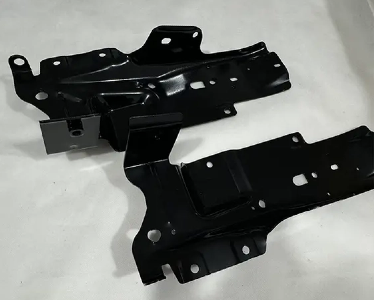
Evaluating a damaged car bumper requires systematic inspection. You must look past the superficial scratches. Understanding the layers beneath the plastic cover prevents catastrophic safety failures down the road.
Modern vehicles separate the cosmetic fascia from the structural impact bar. The flexible plastic outer cover bends easily upon impact. However, the real danger hides underneath. Foam impact absorbers and rigid metal bars take the heavy kinetic force. If the foam compresses or the metal bar bends, you lose crucial collision protection. You cannot see this damage without physically pulling the plastic cover back. Always inspect the gaps between the fascia and your headlights. Misaligned gaps usually indicate underlying structural shifts.
You need clear goals before starting any repair. Define what a successful outcome looks like for your specific situation. Leased vehicles demand perfect cosmetic restoration to avoid heavy dealership penalties. Older daily commuters just need secure, safe attachments to pass local state inspections. If you plan to sell the vehicle soon, flawless paint blending becomes mandatory. Determine your acceptable outcome before you spend a single dollar on supplies.
Automotive technology complicates body repairs significantly. Advanced Driver Assistance Systems (ADAS) rely on precision. Look closely at your fascia for small circular parking sensors. Blind-spot radar modules often hide completely out of sight behind the plastic corners. Airbag deployment sensors monitor frontal impacts constantly. A seemingly minor bump can misalign these critical safety devices. Altering the plastic thickness with repair putty can permanently block radar waves.
Proper categorization helps you choose the correct repair path. We break damage down into three actionable levels. Review the chart below to classify your specific situation accurately.
Damage Level | Characteristics | Safety Impact | Recommended Path |
|---|---|---|---|
Level 1 | Scuffs, clear-coat paint transfer, and minor shallow dimples. | None. Purely aesthetic. | DIY Cosmetic Polish / Touch-up |
Level 2 | Deep primer scratches, small punctures, and clean plastic cracks. | Low to Medium. Possible sensor shift. | Professional Plastic Welding |
Level 3 | Broken mounting tabs, torn plastic, and structural deformation. | High. Crash integrity compromised. | Full Bumper Replacement |
Once you classify the damage, you must select the right intervention. Each category offers distinct advantages based on your technical skill, budget, and vehicle requirements.
This route works best for Level 1 damage. It offers the lowest overall cost. You enjoy a high margin for aesthetic error. If you mess up a touch-up paint job, you can usually sand it down and try again. Common DIY solutions include applying rubbing compound to remove paint transfer. You might also use heat to pop out a soft dent. This category focuses purely on surface-level improvements. You should only attempt this if the panel remains structurally secure.
Auto body shops handle Level 2 damage seamlessly. Professionals use specialized tools you likely do not own. They perform advanced plastic welding using nitrogen gas to prevent oxidation. They apply two-part structural adhesives designed specifically for flexible polyurethane. Most importantly, they execute precise paint blending. They spray the repaired area and carefully fade the new clear coat into your adjacent fenders. This technique tricks the human eye, making the repair invisible.
This remains the best option for Level 3 damage. You face a mandatory replacement route when safety integrity fails. Broken mounting tabs cannot safely hold a bumper at highway speeds. Sometimes, a shop will recommend replacement purely based on economics. If repair labor hours exceed the cost of a new unpainted part, replacing it simply makes mathematical sense. A fresh car bumper guarantees factory-level structural integrity.
Many vehicle owners watch quick internet tutorials and assume bodywork is simple. The reality often proves much harsher. You must understand the technical limitations of DIY methods before cutting into your vehicle's plastic.
Internet videos frequently show people pouring boiling water over a dent. They push from behind, and the plastic magically pops out. This popular trick relies on "plastic memory." Manufacturers mold polyurethane to hold a specific shape. Heat softens the material, allowing it to revert to its factory form. However, severe limitations exist. It strictly works for smooth, round depressions. It will never fix a sharp crease. Furthermore, you run a massive risk of paint blistering. Heat guns can easily melt the clear coat. If the paint bubbles, you just turned a free dent repair into an expensive repainting job.
Applying standard epoxy or Bondo to a flexible surface invites disaster. You must face the technical realities of polyurethane. The material twists, expands, and contracts as you drive. Standard body fillers dry rigid and brittle. If you use them on a fascia, they will crack under future road vibration. You must purchase specialized flexible bumper glazes. Even then, you must prep the surface flawlessly.
Common DIY Filler Mistakes:
Failing to drill relief holes at the ends of a crack to stop it from spreading.
Skipping the adhesion promoter spray before applying putty.
Sanding the filler unevenly, leaving obvious visible waves under the final paint.
Aerosol color-matched paints rarely deliver professional results. You might buy a can matching your exact factory paint code. Unfortunately, paint fades over time due to UV exposure. The fresh paint in the can will look noticeably darker than your weathered car. Furthermore, aerosol cans shoot paint in uneven splatters compared to high-volume low-pressure (HVLP) shop guns. Factory clear coats cure chemically under controlled heat lamps. Your driveway spray job will likely look dull, rough, and distinctly mismatched.
You must prioritize safety over aesthetics. Never attempt DIY repairs on areas directly covering ADAS sensors. Modern vehicles shoot millimeter-wave radar through the plastic fascia. If you spread dense repair putty over a blind-spot monitor, you block the signal. The vehicle might fail to detect a car in the next lane. You could disable emergency automatic braking systems unknowingly. Leave sensor-adjacent damage entirely to certified professionals.
Decision-making requires tangible data. You must weigh the financial outlay against your personal time and the long-term value of your asset. Do not view repair costs in a vacuum.
Understanding standard market rates prevents overspending. Costs vary dramatically based on your chosen path.
DIY Supply Kits: Expect to spend between $30 and $100. This covers rubbing compounds, specialized flexible putties, sandpaper assortments, and exact-match aerosol touch-up cans.
Professional Repair: Typical shop repairs range from $250 to $600. This covers labor for plastic welding, minor filling, and localized spot-painting.
Full Replacement: A complete job runs between $800 and $1,500+. The high cost stems from purchasing the raw part, priming it, painting it entirely, and recalibrating the internal electronic sensors.
You must calculate the opportunity cost of your time. A weekend DIY project easily consumes your entire Saturday. You will spend hours taping off trim, sanding layers, waiting for paint to flash, and polishing the clear coat. Conversely, dropping the vehicle at a professional body shop requires a 2-to-4 day turnaround. You lose access to your primary vehicle. You must arrange rental transport or coordinate rides during this period. Factor rental costs into your overall repair budget.
Patched plastics heavily affect trade-in value. Dealership appraisers train specifically to spot poor paint blends and wavy filler jobs. A bad DIY fix might lower your trade-in offer by a thousand dollars. When considering a professional fix, you must evaluate your comprehensive insurance policy. Filing a claim might cover a $1,200 replacement. However, it risks subsequent premium hikes over the next three years. A documented accident on a vehicle history report also terrifies future private buyers.
Taking action requires securing reliable parts and vetting competent labor. Moving from assessment to execution demands a methodical approach.
If you face Level 3 damage, you need a new part. You have three primary sourcing avenues to explore.
OEM (Original Equipment Manufacturer): These parts come directly from your vehicle's maker. They offer perfect fitment and zero installation headaches. They carry the highest price tag.
CAPA-Certified Aftermarket: Third-party companies manufacture these parts. The Certified Automotive Parts Association (CAPA) tests them strictly for fit and crash safety. They cost significantly less than OEM but perform similarly.
Salvage Yard Pulls: You can buy a used original part from a wrecked vehicle. If you find a donor car with the exact same factory paint code, you can bypass the paint shop entirely. This represents the ultimate budget-friendly replacement hack.
Not all collision centers deliver equal quality. You must interrogate the service writer before handing over your keys. Ask direct, technical questions to gauge their expertise.
Essential Questions to Ask:
Do you use computerized spectrophotometer paint matching to account for my vehicle's sun fade?
Do you explicitly warranty your plastic welds against future vibration cracking?
Do you possess the specific diagnostic tools required to recalibrate my car bumper sensors post-repair?
If a shop hesitates or dismisses the need for sensor recalibration, walk away immediately. Proper ADAS alignment protects your life.
Use a quick mental framework to handle insurance decisions. Compare the repair quote against your deductible. If your deductible is $500 and the repair quote is $650, pay out of pocket. Involving insurance for a minor $150 payout guarantees a claim record on your vehicle's history. It will likely trigger rate increases. Only activate your insurance if the total bill exceeds your deductible by at least three times. Preserve your clean claim record for catastrophic accidents.
Fixing a compromised bumper ranges from a simple weekend heat-gun project to a complex, multi-stage professional replacement. You must look beyond the cosmetic scratches and inspect the underlying impact absorbers. Default to DIY methods strictly for minor visual flaws on older vehicles where perfect aesthetics matter less. Always defer to professionals for deep plastic cracks or modern cars equipped with integrated safety sensors.
Take action today. Walk outside, push gently on the damaged area, and physically inspect the mounting clips. Get a free baseline estimate from a reputable local body shop before you order any DIY supplies online. Knowing the exact scope of your damage allows you to make safe, financially sound decisions.
A: Yes, you can fix it using professional plastic welding techniques and specialized structural adhesives. This approach works exceptionally well provided the crack does not cross a primary stress point or mounting tab. Technicians melt a filler rod into the crack to restore structural integrity before sanding and painting.
A: It works strictly for minor, smooth depressions in flexible polyurethane covers. The heat activates the plastic's structural memory, helping it pop out. However, boiling water will absolutely not fix sharp creases, fix cracked paint, or repair underlying structural foam damage.
A: A full replacement typically ranges from $500 to $1,500+. The final price depends heavily on your vehicle make, whether you choose OEM or aftermarket parts, and the labor rates in your region. Recalibrating integrated safety sensors also adds significant cost to the final bill.
A: It is highly unsafe and potentially illegal in many jurisdictions. If the cover is loose, hanging, or features exposed sharp edges, it poses a hazard. Furthermore, if the underlying crash bar is compromised, your vehicle cannot safely absorb a subsequent impact.


