
Views: 0 Author: Site Editor Publish Time: 2025-10-20 Origin: Site


Ever wondered how car lights enhance your driving safety? Car lights are essential for visibility and communication on the road. Understanding different types of car lights can prevent accidents and ensure compliance with regulations. In this post, you'll learn about various car lights, their purposes, and how to use them effectively.
Daylight running lights (DRLs) serve a simple but important purpose: they make your car more visible to others during the day. Unlike headlights, DRLs are not designed to light up the road ahead. Instead, they help other drivers, cyclists, and pedestrians spot your vehicle easily in daylight conditions.
These lights usually turn on automatically when you start your engine. You’ll find them at the front and sometimes the rear of your car. Their brightness is lower than regular headlights to avoid dazzling other road users. By improving your vehicle’s visibility, DRLs help reduce the risk of daytime collisions, especially in bright or shadowy conditions where your car might blend into the background.
How do daylight running lights improve visibility? They create a visual contrast between your vehicle and the environment. This is especially helpful in urban areas with lots of visual distractions, or on rural roads where lighting conditions can quickly change. Studies suggest that cars equipped with DRLs have fewer daytime accidents because other drivers notice them sooner.
Legislation about DRLs varies by country. Some places require all new vehicles to have DRLs, while others only recommend them. For example, many European countries and Canada mandate DRLs on new cars, but in the United States, they are not compulsory. Manufacturers usually design cars to meet the local laws of the market they sell in, so your car’s DRLs might behave differently depending on where you live.
In summary, daylight running lights are a safety feature aimed at increasing your vehicle’s visibility during the day. They switch on automatically, reduce accident risk, and comply with local regulations that vary worldwide.
Low beam headlights, also called dipped headlights, provide enough light to see the road ahead without blinding other drivers. They are designed to cast light downwards and to the sides, reducing glare for oncoming traffic. This makes them ideal for use in most nighttime driving situations and in poor weather conditions.
The main difference between low beam and full beam headlights lies in their brightness and beam pattern. Low beams have a wider, softer light spread, while full beams shine brighter and farther but can dazzle other drivers if used improperly.
When should you use low beam headlights? They are essential at night, during rain, fog, snow, or any time visibility is reduced. For example, just after sunrise or before sunset, low beams help other drivers see you better. Using low beams in these situations improves safety by making your vehicle more visible without causing glare.
Safety benefits of low beam headlights include preventing accidents caused by poor visibility and glare. They help you see the road and any obstacles while ensuring other drivers are not blinded by your lights. Using low beams responsibly reduces the risk of collisions and keeps everyone safer on the road.
Key points about low beam headlights:
Provide sufficient light for safe driving without dazzling others
Use at night, in bad weather, or low visibility times
Wider beam pattern than full beams, aimed downward
Improve visibility and safety for all road users
By using low beam headlights correctly, you ensure better visibility for yourself and others. Always switch to low beams when there is oncoming traffic or when following another vehicle closely.
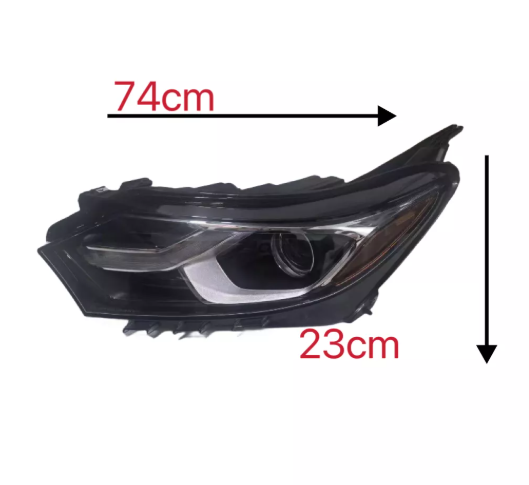
Full beam headlights, often called high beams, provide a strong, focused light that helps you see far ahead on dark roads. They illuminate a wide area in front of your vehicle, allowing you to spot obstacles, animals, or road signs at a greater distance than low beams.
Full beams are designed for maximum visibility. They cast an intense, center-weighted light that reaches far down the road. This makes them perfect for driving in rural or poorly lit areas where streetlights are absent. They help you react early to hazards and navigate safely at higher speeds.
Using full beams improperly can dazzle other drivers, causing temporary blindness and increasing accident risk. Avoid full beams when:
You see oncoming traffic within 150 meters (about 500 feet).
You're following another vehicle closely, as the bright light can reflect in their mirrors.
Driving in fog, heavy rain, or snow, since the light reflects off moisture particles and worsens visibility.
Approaching curves, hills, or junctions where you cannot see if other cars are coming.
To use full beams safely and legally:
Switch to full beams only on dark roads without streetlights or other vehicles nearby.
Dim your headlights to low beams at least 150 meters before meeting oncoming cars.
Turn off full beams when following another car to avoid glare in their rearview mirror.
Avoid full beams in bad weather; use fog lights or low beams instead.
By following these rules, you maximize your visibility while respecting other drivers' safety. Full beams are a powerful tool but require careful use.
Fog lights are specially designed to improve visibility during foggy or misty conditions. Unlike regular headlights, fog lights have a unique flat and wide beam pattern. This beam shape helps cut through fog by illuminating the road surface directly in front of your car without reflecting too much light back into your eyes.
Typically, fog lights are mounted low on the front of the vehicle, near the bumper. Their low position prevents the light from bouncing off fog droplets and creating glare. Many cars also have at least one rear fog light, which shines a bright red light to help drivers behind you spot your vehicle in poor visibility.
Fog lights should only be used in dense fog, heavy snow, or dust storms — situations where normal headlights struggle to provide clear visibility. They are not meant for use in rain or normal night driving. Using fog lights when conditions don't require them can distract or dazzle other drivers because fog lights are very bright and focused.
Here are some key points for using fog lights properly:
Turn them on only when visibility is seriously reduced (usually less than 100 meters).
Switch them off as soon as conditions improve to avoid blinding others.
Use them along with low beam headlights, not full beams, to reduce glare.
Avoid using fog lights in clear conditions or light rain.
Because fog lights are bright and mounted low, they can be distracting or even dangerous if used improperly. Their intense beam can cause glare for drivers behind or beside you, especially if they are not expecting such bright lights. Misuse of fog lights can lead to confusion or temporary blindness, increasing accident risk.
Remember, fog lights are a safety tool for specific weather conditions. Using them responsibly helps everyone on the road stay safe.
Taillights play a crucial role in vehicle safety by making your car visible to drivers behind you, especially in low light conditions. They are the red lights at the rear of your vehicle that turn on automatically whenever your headlights or daytime running lights are active. This constant illumination helps others judge your distance and position on the road, reducing the risk of rear-end collisions.
Brake lights are an essential safety feature that signals when you are slowing down or stopping. These lights are brighter than taillights and activate only when you press the brake pedal. This sudden increase in brightness alerts drivers behind you to react promptly, giving them time to slow down safely. Brake lights are usually positioned just above or beside the taillights, so they are clearly visible.
Both taillights and brake lights are designed to operate automatically, requiring no manual effort from the driver beyond turning on the vehicle’s lights or pressing the brake pedal. This automation ensures consistent communication to other road users without distractions or delays.
Key points about taillights and brake lights:
Taillights turn on with headlights or daytime running lights to keep your car visible.
Brake lights activate only when braking, signaling slowing or stopping.
Both lights use bright red LEDs or bulbs for clear visibility.
Automatic operation ensures safety without driver intervention.
Together, taillights and brake lights provide vital signals that help maintain safe distances between vehicles. They are especially important during night driving, bad weather, or heavy traffic when visibility is reduced. Proper functioning of these lights is a legal requirement in most regions, and regular checks can prevent accidents caused by faulty or dim lights.
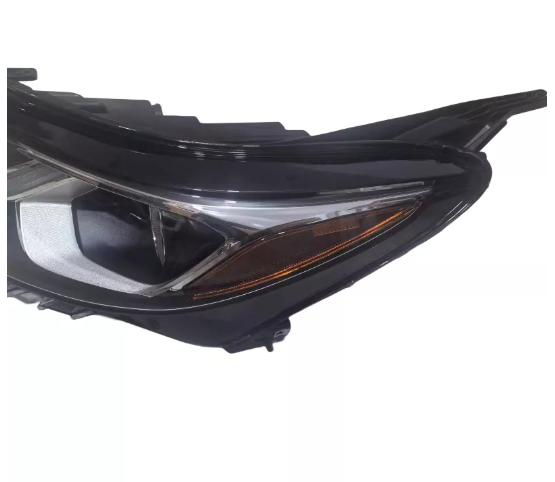
Signal lights, also called turn signals or indicators, play a key role in communicating your driving intentions to others. They are located at the front, rear, and often on the side mirrors of your car. When you plan to turn or change lanes, activating these lights alerts drivers, cyclists, and pedestrians around you. This communication helps prevent accidents by giving others time to adjust their speed or position.
Using signal lights properly means switching them on well before you make a turn or lane change—usually about 100 feet (30 meters) ahead. This early warning ensures other road users understand your intentions clearly. Signal lights flash on and off, making them highly visible even in bright daylight or at night.
Hazard lights, also known as emergency flashers, use the same bulbs as your signal lights but flash all at once. They warn others that your vehicle is stopped or moving slowly due to an emergency or hazard. For example, you might use hazard lights if your car breaks down, you’re involved in an accident, or you’re temporarily stopped on the side of the road.
It’s important to know when to use hazard lights. They should only be on during emergencies or when your vehicle poses a risk to others. Using hazard lights while driving in normal conditions can confuse other drivers and reduce safety. Also, hazard lights should not be used when you are parked temporarily, as this can mislead other road users.
The main difference between signal lights and hazard lights lies in their purpose and operation:
Signal lights flash on one side of the car to indicate a turn or lane change.
Hazard lights flash all turn signals simultaneously to signal distress or caution.
Both types of lights are essential tools for safe driving. Using them correctly improves communication on the road and helps avoid accidents.
Interior lights, sometimes called driving lamps, are the lights inside your car that help you see the cabin when it's dark. They turn on when you open the doors or press a button, making it easier to find things like your phone, map, or seatbelt. These lights are usually soft and dim, designed to illuminate the inside without distracting the driver or passengers.
The main reason for interior lights is convenience. They help you see inside the car when it’s dark outside, such as when you’re getting in or out at night or searching for something inside the vehicle. They can also be useful for reading maps or instructions before you start driving.
Using interior lights while driving can be distracting. Bright lights inside the car can reduce your night vision by causing reflections on the windshield or windows. This makes it harder to see the road, other vehicles, or pedestrians. Even a small distraction can increase the risk of accidents, especially at night or in poor weather conditions. For safety, keep interior lights off while driving unless absolutely necessary.
Besides helping you find things when parked or stopped, interior lights can be handy when you’re waiting in the car at night. For example, they can provide enough light to read or check your phone without turning on a brighter overhead light. Some cars also have adjustable interior lighting that changes color or brightness, creating a comfortable atmosphere inside the vehicle.
In summary, interior lights are designed for convenience and short-term use inside the car. Avoid using them while driving to maintain good visibility and focus on the road.
Car lights, including daylight running lights, low and full beam headlights, fog lights, taillights, brake lights, signal lights, hazard lights, and interior lights, are essential for vehicle safety and visibility. Using the right lights at the right time ensures safer driving conditions. Companies like Changzhou Jiasheng Vehicle Parts Co., Ltd. offer high-quality vehicle lighting solutions that enhance safety and compliance with local regulations. Their products provide value by improving visibility and reducing accident risks, ensuring a safer driving experience for everyone on the road.
A: Daylight running lights (DRLs) are car lights designed to increase vehicle visibility during the day. They automatically turn on with the engine and help reduce daytime collisions by making your car more noticeable.
A: Low beam headlights provide wider, softer light for safe driving without blinding others, while full beam headlights offer intense, focused light for maximum visibility on dark roads.
A: Fog lights in car lights should only be used in dense fog or heavy snow. Their bright, focused beam can dazzle other drivers if misused, increasing accident risk.
A: Signal lights, part of car lights, communicate your turning or lane-changing intentions to other road users, helping prevent accidents by providing early warning.
A: Taillights keep your car visible in low light, while brake lights signal slowing or stopping. Both are essential car lights for safety and operate automatically.


