
Views: 0 Author: Site Editor Publish Time: 2025-11-03 Origin: Site


Ever wondered why car tail lights are always red? They play a crucial role in road safety, signaling your presence and actions to other drivers. In this article, we'll explore the importance of tail lights in vehicle safety and delve into the regulations governing their color. You'll learn why red is the chosen color and what legal requirements ensure safety on the road.
Tail lights play a crucial role in vehicle safety by signaling your presence and actions to other drivers. They turn on automatically when headlights are active, making your vehicle visible in low-light conditions like night or fog. This visibility helps prevent rear-end collisions by alerting others to your position on the road.
When you press the brake pedal, tail lights intensify to brake lights, signaling a slowdown or stop. This immediate visual cue gives drivers behind you time to react and avoid accidents. Additionally, tail lights often include turn signals, flashing amber or red to show your intention to change lanes or turn. This communication reduces confusion and helps maintain smooth traffic flow.
Tail lights also improve safety during poor weather conditions. Rain, fog, or snow can obscure your vehicle, but bright red tail lights cut through the haze, helping others judge your distance and speed. Without properly functioning tail lights, the risk of collisions increases significantly.
In summary, tail lights serve as your vehicle’s silent messenger, constantly communicating your actions to others. Their consistent red glow and brightness ensure you remain visible and predictable on the road, which is essential for everyone's safety.
Red is the universal warning color used for tail lights for very good reasons. It stands out clearly against other colors on the road, especially at night. When you drive, your tail lights need to catch the attention of drivers behind you quickly and reliably. Red does this better than any other color.
One key reason is how the human eye perceives red light. Red light has the longest wavelength in the visible spectrum, about 620 to 750 nanometers. This long wavelength means red light scatters less when it travels through the air. So, even in fog, rain, or dust, red light remains visible from a greater distance than colors like blue or green. This visibility helps drivers judge how far away your vehicle is and react accordingly.
Scientifically, red light’s lower frequency and longer wavelength allow it to cut through atmospheric interference better. Other colors scatter more and fade faster, making them less reliable for safety signaling. For example, white or blue tail lights can cause glare or flash blindness, especially at night. This temporary blindness increases the risk of accidents by reducing a driver's ability to see clearly.
Using red for tail lights also creates a clear, consistent message on the road. Drivers instantly recognize red as a signal to slow down or stop. This consistency reduces confusion and improves reaction times. Other colors could blend with street lights, brake lights, or turn signals, leading to misinterpretation.
In short, red is chosen because it’s:
Highly visible even in poor weather
Less likely to cause glare or flash blindness
Universally understood as a warning or stop signal
Scientifically the best for long-distance visibility
Changing tail light colors to anything but red compromises safety. It confuses other drivers and increases accident risk. That’s why laws require tail lights to emit red light only.
Using tail lights that don’t emit red light can lead to serious problems. First, your vehicle might fail safety inspections. Inspectors check if tail lights meet legal color standards. If they don’t see red light, they may reject your vehicle, forcing you to fix the lights before driving legally again.
Second, law enforcement can issue traffic citations or fines. Police officers spot non-red tail lights during routine stops or traffic patrols. Since laws require red tail lights, you can be fined for non-compliance. Fines vary by state or province but often start around $100 and can increase with repeated offenses.
Third, insurance companies may reduce or deny claims after accidents if your tail lights don’t meet legal standards. Non-compliant lighting can be seen as negligence. This might affect your coverage or payout, especially if the accident involved rear-end collisions where tail light visibility matters.
Some examples of consequences include:
Vehicle inspection failure: You must replace or repair non-red tail lights to pass.
Traffic citations: Fines, warnings, or even vehicle impoundment in some cases.
Insurance claim issues: Reduced claim support or increased premiums due to non-compliance.
Ignoring these risks isn’t worth it. Non-red tail lights not only break the law but also reduce your safety. They confuse other drivers or cause glare, increasing accident chances.
If you want to customize your vehicle’s look, choose aftermarket tail lights that emit red light and have proper certification. This helps avoid legal trouble while keeping your car safe and compliant.
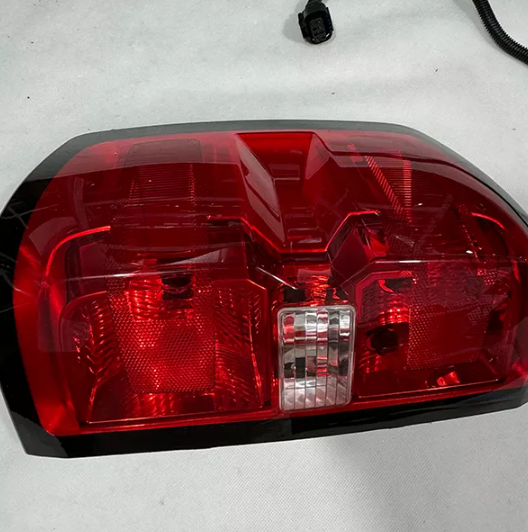
When upgrading or customizing your vehicle, choosing aftermarket tail lights can be tempting. However, legality and safety must be your top priorities. In the United States and Canada, aftermarket tail lights must meet strict requirements to be street-legal.
The Department of Transportation (DOT) in the U.S. and similar agencies in Canada require aftermarket tail lights to be DOT-approved or meet SAE (Society of Automotive Engineers) standards. This certification confirms the lights comply with federal regulations on brightness, color, and visibility.
Key points about DOT-approved aftermarket tail lights:
They must emit red light for tail and brake functions.
They need to meet brightness and visibility standards.
The housing and lens must be designed to prevent glare or scattering.
Certification marks are usually stamped or printed on the product.
Without this certification, aftermarket tail lights risk being illegal, resulting in fines or failed vehicle inspections.
Proper installation is crucial. Even DOT-approved lights can fail inspection if installed incorrectly. Make sure wiring is correct, and lights function as intended. After installation, check the lights at night from a distance of at least 500 feet to confirm visibility and color.
Vehicle inspection authorities often check for certification marks and proper function during routine checks. Using non-certified or improperly installed lights can lead to citations, fines, or failed inspections.
Many drivers get confused about what’s allowed when it comes to tail light colors. Some popular myths can lead to unsafe choices or legal trouble. Let’s clear up these misconceptions.
Smoked or tinted tail lights often look cool, but are they against the law? Not necessarily. If the lights still emit a bright, clear red light and have the proper certification (like DOT approval), smoked lenses are legal. The key is ensuring that the red color shines through strongly enough to be seen from a safe distance. If the tint is too dark and dims the red light, that’s when it becomes illegal and unsafe.
LED technology allows for many colors, but not all are legal for tail lights. Regulations strictly require tail lights to emit red light. Some people think they can use blue, white, or other colors for a unique look, but this breaks the law and reduces safety. Colored LEDs must meet brightness and color standards set by authorities. Using non-red LEDs for tail lights risks failing inspections, fines, and accidents.
Some try to fix illegal tail lights by adding a red tint film over non-red lights. While this might make the light appear red, it doesn’t guarantee proper brightness or visibility. The light still needs to meet intensity and color standards to be legal. A cheap film can reduce light output or cause uneven coloring, leading to inspection failures or safety hazards. Only certified tail lights designed to emit red light should be used.
Ensuring your tail lights are legal is crucial for safety and avoiding fines. The first step is to check for proper certification marks. In the U.S., look for the DOT (Department of Transportation) stamp on the tail light housing. In Canada, similar certification may appear as SAE (Society of Automotive Engineers) or other recognized marks. These certifications confirm the lights meet federal standards for brightness, color, and visibility.
Next, test the visibility of your tail lights at night. Stand about 500 feet behind your vehicle in a dark area and observe the light color and brightness. The tail lights should emit a clear, bright red glow visible from that distance. If the color looks dim, tinted, or shifts away from red, your lights may not comply with regulations. This test helps ensure other drivers can see your vehicle clearly, reducing accident risks.
If unsure about your tail lights’ legality, consult local vehicle inspection authorities or the department of motor vehicles. They can provide guidance on standards and inspection procedures specific to your region. Many inspection stations also offer pre-inspection checks to help you avoid failures.
Keep in mind, modifications or aftermarket tail lights must also meet these legal requirements. Just because a light looks stylish doesn’t mean it’s legal. Always verify that aftermarket products carry DOT or SAE certification. Improper or uncertified lights can lead to inspection failures, traffic citations, or insurance claim issues.
Finally, maintain your tail lights regularly. Dirt, damage, or aging bulbs can reduce light output and color accuracy. Clean lenses and replace bulbs promptly to keep your lights functioning at their best.
Red tail lights are crucial for vehicle safety, ensuring visibility and signaling intentions to other drivers. Compliance with regulations requiring red light emission is essential to avoid legal issues and enhance road safety. Changzhou Jiasheng Vehicle Parts Co., Ltd. offers high-quality vehicle lighting solutions that meet these standards, providing reliable and safe products for drivers. Their products emphasize durability and visibility, making them a valuable choice for maintaining compliance and safety on the road.
A: Car lights for tail lights must emit red light as required by federal regulations to ensure safety and visibility on the road.
A: Car lights, specifically tail lights, emit bright red light that cuts through fog, rain, or snow, helping other drivers judge your distance and speed.
A: Red light has the longest wavelength, making it highly visible even in poor conditions, ensuring drivers can quickly recognize and react to signals.
A: Yes, but aftermarket car lights for tail lights must be DOT-approved, emitting red light to comply with safety standards.
A: Non-red tail lights can lead to inspection failures, fines, and increased accident risk due to reduced visibility and legal non-compliance.


