


Ever wondered why car lights are crucial? They ensure safety and communication on the road. Proper adjustment prevents accidents and enhances visibility. In this post, you'll learn the importance of correctly adjusted car lights and how to maintain them for optimal safety.
Cars come equipped with various lights, each serving a unique purpose to ensure safety and communication on the road. Knowing these types helps you appreciate why proper adjustment matters.
Headlights: These are the main lights at the front of your car. They illuminate the road ahead during low-light conditions. Headlights usually have two settings: low beam for regular night driving, and high beam for extra visibility on dark, empty roads. Properly aimed headlights prevent blinding oncoming drivers and help you see obstacles early.
Taillights: Located at the rear, taillights glow red when your headlights are on. They signal your car’s presence to vehicles behind you, especially in the dark or bad weather.
Brake Lights: These bright red lights activate when you press the brake pedal. They warn drivers behind you that you’re slowing down or stopping.
Turn Signals (Indicators): Found both front and rear, these flashing lights indicate your intention to turn or change lanes. Proper functioning and visibility are crucial to avoid accidents.
Reverse Lights: White lights at the back that turn on when you shift into reverse gear. They alert pedestrians and other drivers that you’re backing up.
Fog Lights: These are low-mounted lights designed to cut through fog, rain, or snow by reducing glare. They improve visibility close to the road surface.
Daytime Running Lights (DRLs): These lights automatically turn on when the car runs during the day. They increase your vehicle’s visibility to others.
Each light type plays a vital role in communication and safety. For example, misaligned headlights can blind others or reduce your field of vision, while malfunctioning brake lights can cause rear-end collisions. Regular checks and adjustments keep these lights performing their functions effectively.
Ensuring your car lights work properly is essential for your safety and others on the road. Here’s how to check them effectively.
Start with a simple walk-around. Turn on your car’s engine and activate each light—headlights, taillights, brake lights, turn signals, reverse lights, and fog lights. Walk around the vehicle to see if all lights illuminate as expected. Look for:
Lights that don’t turn on
Flickering or dim lights
Discolored or cracked lenses
Visible broken filaments inside bulbs
If any light doesn’t work or looks weak, it could mean a burnt-out bulb, a loose connection, or wiring issues.
Visual checks might miss subtle problems. A test bulb kit helps diagnose bulb issues more precisely. Here’s how to use it:
Turn off your vehicle and remove the bulb from the socket.
Insert the test bulb into the socket.
Activate the light switch corresponding to that bulb.
Observe the test bulb—if it lights up, the socket and wiring are fine; if not, the problem lies in the socket or wiring.
Replace the original bulb after testing.
This kit is especially useful for hard-to-reach bulbs or when you suspect electrical faults.
Check your vehicle’s owner manual for specific bulb types and locations.
Inspect wiring and fuses if multiple bulbs fail.
Regularly clean lenses to maintain brightness.
By regularly inspecting and testing your car lights, you maintain visibility and communication on the road, reducing accident risks.
Before adjusting your headlights, preparing your car properly ensures accurate alignment and safer driving. Here’s how to get your vehicle ready:
Find a flat, even surface to park your car. Uneven ground can tilt your vehicle, causing misleading headlight angles during adjustment. Use a spirit level if available to check the ground’s flatness or the car’s levelness by placing it on the doorframe or roof.
Unequal or low tire pressure affects your car’s stance and suspension height, which changes headlight aim. Inflate all tires to the manufacturer’s recommended PSI, usually found in your owner’s manual or on a sticker inside the driver’s door.
Remove excess weight from the trunk or back seats to avoid tilting the rear downward. A heavily loaded back end lifts the front, raising headlights and potentially blinding other drivers. Ideally, have the gas tank about half full to simulate average driving weight.
Sometimes, the suspension compresses unevenly after driving or parking. Bounce each corner of the car by pressing down firmly to settle the shocks evenly. This helps the vehicle rest at its normal ride height for proper headlight alignment.
If possible, have someone sit in the driver’s seat during adjustment. The driver's weight affects suspension and headlight height, so this simulates real driving conditions.
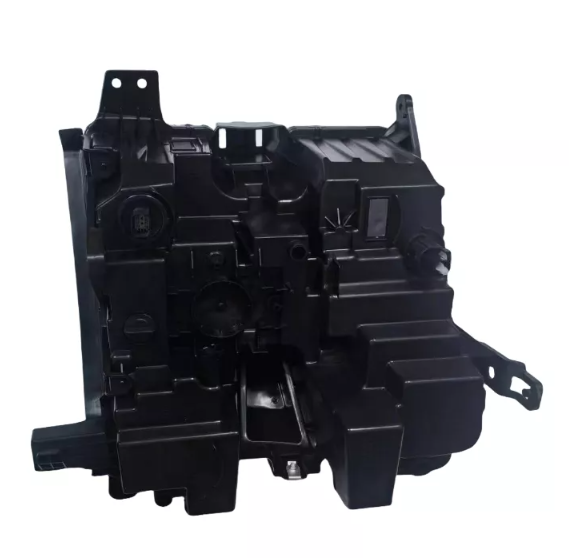
Adjusting your car’s headlights ensures you see clearly and don’t blind other drivers. Here’s how to do it right.
Before starting, gather these tools:
Screwdriver or socket wrench – usually Phillips head or flathead, depending on your car.
Masking or painter’s tape – to mark spots on the wall.
Measuring tape – to measure distances accurately.
Spirit level – to check if your car and wall are level.
Flat wall or garage door – a vertical surface to project your headlights onto.
A helper (optional) – someone to sit in the driver’s seat while you adjust.
Having these ready will make the process smoother and more precise.
Park your car on level ground facing a flat wall or garage door, about 25 feet (7.6 meters) away.
Turn on your low beam headlights (not high beams or fog lights).
Measure the height from the ground to the center of each headlight bulb.
Mark the wall at the same height as each headlight’s center point using tape. Place two vertical strips of tape to mark the centers.
Use the spirit level to ensure the tape marks are horizontally aligned.
Draw a horizontal line across the wall at the height of the headlight centers.
Add another horizontal line about 2 to 4 inches below this line. This lower line represents the ideal cutoff line for the beam.
This grid helps you see where your headlights are pointing and guides your adjustments.
Locate the adjustment screws on your headlight housing. Most cars have two screws per headlight:
One for vertical adjustment (up/down).
One for horizontal adjustment (left/right).Consult your owner’s manual if you’re unsure where they are.
Block one headlight using a towel or cardboard to focus on adjusting the other.
Turn on the headlights and observe the beam on the wall.
Adjust the vertical screw first:
Turn clockwise to raise the beam.
Turn counterclockwise to lower it.Aim so the top edge of the bright beam aligns with the lower horizontal tape line.
Adjust the horizontal screw next:
Turn to move the beam left or right.
Aim the brightest part of the beam near the vertical tape mark for that headlight.
Repeat the process for the other headlight.
The goal is to have the beams slightly lower than the headlight center height and centered horizontally. This setup gives good road illumination without blinding others.
After adjusting your headlights, testing their alignment on the road is crucial to ensure safety. A proper test confirms your adjustments are effective and that your lights illuminate the road correctly without blinding others.
Choose a dark, quiet road at night for the best visibility during your test drive. Drive slowly, about 20 to 30 mph, so you can observe how your headlights perform in real conditions. Pay attention to how far ahead the light reaches and how evenly the road is lit.
Have a helper if possible, so they can watch the beam pattern from outside while you drive. This extra set of eyes can spot issues you might miss from behind the wheel.
The brightest part of each beam should be slightly below the height of your headlights.
The beams should be centered in front of the car, not pointing too far left or right.
The left beam (driver’s side) should illuminate the road shoulder to help spot pedestrians or obstacles.
The right beam (passenger’s side) should be slightly lower and closer to the center to avoid blinding oncoming drivers.
The light should reach about 25 to 30 feet ahead, enough for safe stopping distance at normal speeds.
If you or oncoming drivers feel blinded, your headlights are likely aimed too high.
If the road ahead looks dim or cut off too close to your car, the beams are too low.
Uneven lighting with one side brighter or aimed differently than the other indicates misalignment.
The light pattern may be skewed left or right, causing poor visibility on one side of the road.
If you notice any of these problems, return to adjust the screws again, or consider professional help if the issue persists.
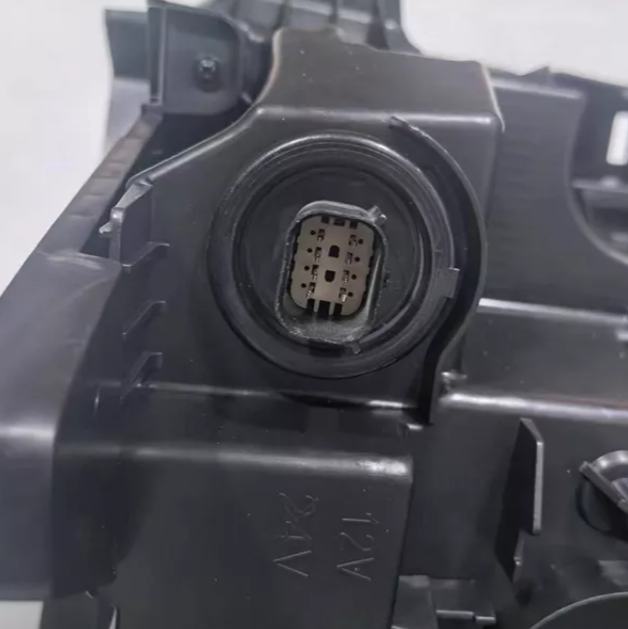
Adjusting car headlights can be straightforward, but many make errors that lead to poor lighting or safety risks. Here are common mistakes and how to handle them.
Not Preparing the Vehicle Properly: Skipping preparation steps like parking on level ground or checking tire pressure causes inaccurate aiming. The car's stance affects light angles, so always prepare first.
Incorrect Distance from the Wall: Using an estimated distance instead of measuring exactly 25 feet (7.6 meters) or the manufacturer’s recommended distance leads to wrong alignment. Use a tape measure for accuracy.
Ignoring Suspension and Load Effects: Heavy loads or uneven suspension tilt headlights up or down. Forgetting to simulate normal driving weight or level suspension results in misaligned beams.
Adjusting Both Headlights Simultaneously: Adjust one headlight at a time, blocking the other. Otherwise, light overlap makes it hard to see true beam placement.
Using High Beams or Fog Lights for Adjustment: Always use low beams for alignment. High beams and fog lights have different patterns and can mislead the adjustment.
Turning Screws Too Much or Too Quickly: Small, gradual turns prevent over-adjustment. Rapid or large turns can throw off aim and require repeated corrections.
Not Testing the Adjustment at Night: Adjustments made in daylight or bright areas may look fine but fail in real driving conditions. Always test at night on a quiet road.
Failing to Check Both Vertical and Horizontal Alignment: Adjusting only one axis leaves beams poorly aimed. Both vertical and horizontal screws must be adjusted for proper coverage.
Complex Headlight Designs: Some modern vehicles have adaptive or projector headlights needing special tools or software for adjustment.
Persistent Misalignment After DIY Attempts: If you cannot get the beams aligned properly after several tries, a technician can use precise equipment.
Electrical or Mechanical Issues: Problems like broken adjustment screws, damaged headlight housings, or wiring faults require expert repair.
Legal or Safety Inspections: In some regions, headlight alignment must meet strict standards verified by professionals.
Lack of Tools or Confidence: If your vehicle’s headlight setup is unfamiliar or you lack proper tools, professionals ensure safe and accurate results.
Properly adjusted car lights are crucial for safe driving, enhancing visibility, and preventing accidents. Regular checks and maintenance ensure they function effectively. For quality lighting solutions, consider Changzhou Jiasheng Vehicle Parts Co., Ltd., which offers innovative products that enhance safety and reliability on the road.
A: Car lights that often need adjustment include headlights, which ensure proper road illumination without blinding others.
A: Conduct a visual inspection by activating each light type and walking around your car to ensure they illuminate correctly.
A: Properly adjusted car headlights enhance visibility and safety by preventing glare for oncoming drivers and ensuring adequate road illumination.
A: You'll need a screwdriver, masking tape, measuring tape, spirit level, and a flat wall or garage door for proper headlight alignment.


