
Views: 0 Author: Site Editor Publish Time: 2025-10-21 Origin: Site


Ever wondered why car lights are crucial for road safety? They illuminate the path, signal intentions, and ensure visibility. Yet, they can fail due to burnt-out bulbs, electrical issues, or damage. In this post, you'll learn how to replace car lights, diagnose issues, and maintain them effectively.
When it comes to car lights, knowing the different types helps you pick the right replacement and understand their features. Here are the most common types you'll find:
Halogen bulbs are the classic choice for many cars. They use a tungsten filament surrounded by halogen gas. When electricity passes through, the filament heats up and produces light. These bulbs are affordable and easy to replace. However, they don’t last as long as some newer types and can get quite hot.
HID stands for High Intensity Discharge. These bulbs use xenon gas and an electric arc to create a bright light. They shine much brighter than halogen bulbs and last longer. HID lights also have a cooler temperature compared to halogens. But they tend to cost more and might require special ballasts to work properly in your car.
LEDs, or Light Emitting Diodes, are becoming very popular in newer vehicles. They produce light by passing electricity through a semiconductor. LEDs use less energy, last a very long time, and turn on instantly. They also stay cooler than halogen bulbs. Though their upfront cost is higher, they often save money over time due to durability and efficiency.
Besides the three main types, some cars use specialized bulbs like:
Plasma bulbs: These produce bright light using ionized gas and are rare but efficient.
Halogen Infrared Reflective (HIR) bulbs: These improve halogen efficiency by reflecting infrared light back to the filament.
Bi-xenon bulbs: These combine low and high beams in one HID bulb.
Laser headlights: A newer technology offering very bright light and long range, but they are expensive and found mostly in luxury cars.
Each bulb type has pros and cons depending on factors like brightness, energy use, lifespan, and cost. Knowing these helps you choose the right replacement for your vehicle.
When your car light stops working, the first step is to check if the bulb is actually out. Turn on your headlights and look at each light carefully. If one light is dark while the others work fine, the bulb is likely burnt out. A quick trick is to gently tap the light's housing with your fist. Sometimes, this can shake the filament inside the bulb and make it light up temporarily. If it does, the bulb definitely needs replacement soon.
If both headlights or multiple lights are out, the issue might be more than just a bulb. It could be a blown fuse or an electrical wiring problem. Check your vehicle’s fuse box for any blown fuses related to the lighting system. Your car manual will show you the exact fuse location. Replacing a fuse is usually simple and inexpensive. If fuses are fine but lights still don’t work, wiring or connectors might be damaged and need professional attention.
Sometimes, you might be on the road and notice a headlight flickering or going out. If you don’t have a replacement bulb handy, a gentle tap on the light assembly can temporarily restore the connection. This works because it can reestablish contact with a loose filament inside the bulb. However, this is a short-term fix. You should replace the bulb as soon as possible to avoid driving with faulty lights, which is unsafe and illegal.
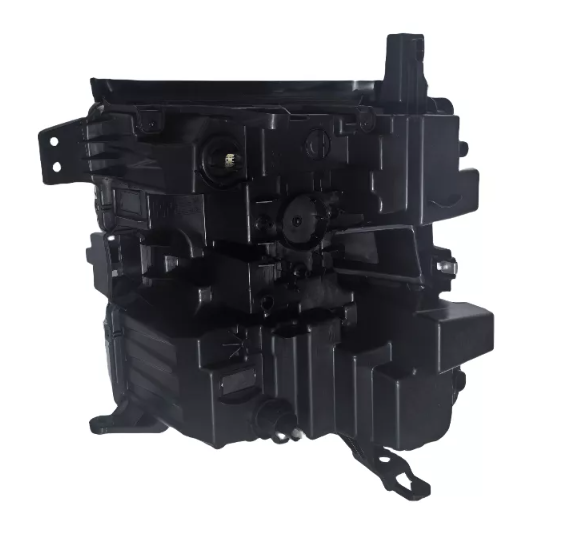
Before starting, park your car on a flat surface and turn off the engine. Remove the keys from the ignition to avoid any electrical hazards. Engage the handbrake for safety. If possible, wear gloves to keep oils and dirt off the new bulb, which can cause it to burn out prematurely. Open the hood and secure it properly.
Look for the headlight assembly at the front of your vehicle. Depending on your car model, it may be easy to access or partially covered by other parts like the battery or air filter housing. Consult your vehicle’s manual if you’re unsure. Some cars may require removing a dust cover or other components to reach the bulb.
At the back of the headlight assembly, find the electrical connector attached to the bulb. Usually, it has a clip or tab that you need to press or slide to release. Gently disconnect the wires to cut power to the bulb. Avoid pulling on the wires directly to prevent damage.
The old bulb may be secured by a locking ring, clips, or screws depending on your car. Carefully unlock or unscrew the bulb housing. Be gentle to avoid breaking any clips or tabs, as these can be tricky to replace. Once unlocked, remove the bulb by pulling it straight out. Avoid touching the glass part if you plan to reuse it.
Take the new bulb out of its packaging, holding it by the base only. Insert it into the socket, aligning it properly with the locking mechanism. Secure the bulb by twisting, clipping, or screwing it back in place. Reconnect the electrical connector firmly. Replace any covers or components you removed to access the bulb.
Close the hood and start your car. Turn on the headlights to test the new bulb. Walk around the vehicle to ensure the light is working correctly and is properly aligned. If the bulb doesn’t light up, double-check the connections and bulb seating. If problems persist, further troubleshooting may be necessary.
If you install a new bulb and it doesn’t light up, don’t panic. First, double-check that the bulb is seated properly in its socket. Sometimes, a bulb can seem inserted but isn’t making a good connection. Make sure the bulb is aligned correctly and locked in place.
Next, inspect the bulb itself for any visible defects, like broken filaments or cracks. Even new bulbs can be faulty. If you have a spare bulb, try swapping it to rule out a bad replacement.
If the bulb is fine and installed correctly but still doesn’t work, the problem might lie in the electrical system. Start by checking the fuse related to the car’s lighting. Your vehicle’s manual will show the fuse box location and which fuse controls the headlights.Remove the fuse carefully and inspect it. A blown fuse usually has a broken metal strip inside. Replace it with one of the same amperage. If the new fuse blows immediately after replacement, there may be a short circuit that needs professional attention.If the fuse is intact, the wiring might be the issue. Look for signs of damaged wires, such as fraying, corrosion, or melted insulation near the headlight assembly. Wiring problems can cause intermittent or complete failure of the lights.
When fuse replacement and wiring inspection don’t solve the problem, it’s best to consult a professional mechanic. Electrical issues can be complex and require specialized tools to diagnose correctly.A mechanic can test the wiring harness, connectors, and switches to find faults that are not visible to the naked eye. They can also check if the headlight socket itself is damaged and needs replacement.Attempting to fix complicated electrical problems without proper knowledge can lead to further damage or safety hazards. A professional ensures your car lights work reliably and safely.
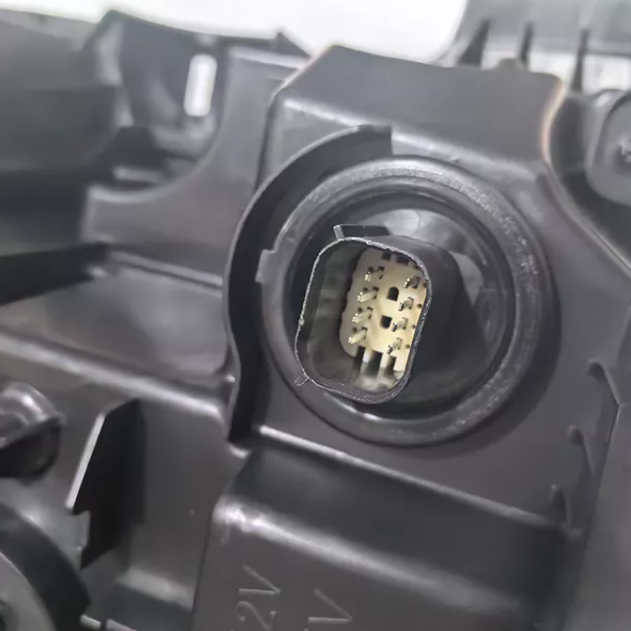
Keeping your car lights in top shape starts with regular inspections. Make it a habit to check your headlights, taillights, brake lights, and turn signals at least once a month. Doing this helps catch any dimming, flickering, or outages early before they become serious problems. Also, clean the light covers regularly. Dirt, dust, and grime can reduce the brightness and visibility of your lights. Use a soft cloth and mild cleaner to wipe the lenses gently. Avoid harsh chemicals that may damage the plastic or glass.
When handling bulbs, always be careful not to touch the glass part. Oils and dirt from your fingers can cause the bulb to heat unevenly and burn out faster. Use clean gloves or hold the bulb by its base. Also, avoid dropping or shaking bulbs, especially halogen types, as their filaments are delicate and can break easily. Store spare bulbs in their original packaging to protect them from dust and moisture until you need them.
The headlight housing protects bulbs from moisture, dirt, and impacts. Check the housing for cracks, chips, or loose seals regularly. Damaged housings can let in water or dust, causing bulbs to fail prematurely. If you notice fogging or condensation inside the lens, it might mean the seal is compromised. In such cases, repair or replace the housing promptly. Applying a protective coating or film on the lens can also help guard against oxidation and UV damage, keeping your lights clear and bright for longer.
When replacing car lights, the cost varies mainly by bulb type. Here’s a rough guide:
Halogen bulbs: These are usually the cheapest option, costing between $10 and $30 per bulb. They’re widely available and easy to replace.
HID bulbs: These cost more, typically ranging from $50 to $150. They provide brighter light and longer life but require compatible ballasts.
LED bulbs: Prices vary widely, from about $40 up to $200 or more. LEDs are energy-efficient and long-lasting but have higher upfront costs.
Other types: Specialized bulbs like laser headlights or bi-xenon can cost several hundred dollars and are mostly found in luxury vehicles.
Remember, these prices are for the bulbs only. Additional costs may apply if you need professional installation or replacement parts.
Several factors influence how much you’ll pay to replace your car lights:
Vehicle make and model: Some cars have easier access to bulbs, while others require removing components or even the entire headlight assembly, increasing labor time.
Bulb quality and brand: OEM (Original Equipment Manufacturer) bulbs often cost more but guarantee compatibility and quality. Aftermarket bulbs may be cheaper but vary in performance.
Type of light: Headlights, fog lights, brake lights, and turn signals use different bulbs, each with its own price range.
Labor costs: If you hire a mechanic, labor fees can range from $50 to $150 or more, depending on the complexity.
Additional repairs: Problems like damaged wiring, broken clips, or faulty sockets can add to the total expense.
Replacing car lights involves understanding different bulb types, diagnosing issues, and following proper installation steps. Regular maintenance ensures optimal performance and safety. Maintaining your car lights is crucial for visibility and legal compliance. Changzhou Jiasheng Vehicle Parts Co., Ltd. provides high-quality vehicle parts that enhance durability and efficiency, offering excellent value and reliability for your car lighting needs.
A: Common types of car lights include halogen bulbs, HID bulbs, LED bulbs, and specialized options like plasma and laser headlights.
A: Check if the bulb is dark while others are lit. Gently tap the housing; if it temporarily lights up, the bulb likely needs replacing.
A: If new car lights don't work, check for blown fuses or damaged wiring, as these could be the underlying issues.


