


Have you ever considered giving your car a unique, personalized look? Tail light tinting might be the answer. This popular modification enhances your car's style while offering practical benefits like scratch protection and reduced glare. In this post, you'll learn about different tinting methods, the benefits of tinted tail lights, and important considerations before starting your project.
Tail light tinting means applying a darkened layer over your car’s tail lights. This layer changes the light’s color and brightness, giving your vehicle a sleek, customized look. People tint tail lights to boost style, protect the lights from scratches, or reduce glare. Tinting can range from a light smoke effect to a deep black shade, depending on your preference.
There are three main ways to tint tail lights:
Spray Tint: This involves spraying a special tint paint directly onto the tail light lens. Before spraying, you sand the surface to help the paint stick. Spray tint offers a smooth, even finish but requires removing the tail lights from the car and careful layering. After tinting, a clear coat protects the finish.
Film Tint: This method uses a vinyl film cut to size or shape. You apply the film directly onto the tail light lens. Film tint lets light pass through while darkening the light. It’s easier to apply without removing the lights but needs careful smoothing to avoid bubbles or wrinkles. Heat guns help stretch the film over curves.
Precut Tail Light Tints: These are vinyl films pre-cut to fit specific car models. They combine the convenience of film tint with precise fitment. Installation involves cleaning the lens, spraying a slip solution, applying the film, and smoothing out bubbles. Heating and trimming complete the process. Precut tints offer a professional look and save time.
Tinting tail lights isn’t just a style choice—it’s regulated by law. Many states or countries have rules about how dark tail lights can be. Overly tinted lights may reduce visibility, increasing accident risk. Some places prohibit tinting reverse lights or require a minimum brightness level.
Before tinting, check local laws to avoid fines or safety issues. Keep reverse lights clear unless you add extra lighting. Remember, safety matters as much as style. Even if tinting is legal, ensure your tail lights remain bright enough for other drivers to see clearly.
Start by removing the tail lights from your vehicle. Open the trunk and pull back the carpet liner to access the bolts securing the tail lights. Use a screwdriver or appropriate tool to remove these bolts. Carefully disconnect the bulbs by pulling out the prongs; this may require some force. Once disconnected, you can fully remove the tail lights.
Next, prepare the tail light surface by sanding it. Wet an 800-grit sandpaper and gently rub the tail light lens until it becomes dull and scuffed. This roughens the surface, helping the spray tint adhere better. Repeat the sanding with 1000-grit sandpaper, then finish with 2000-grit sandpaper for a smooth, hazy finish. Clean the lens thoroughly using rubbing alcohol or window cleaner to remove dust and oils, then let it dry completely.
Mask off any areas you do not want to tint, such as reverse lights or sections that must remain clear by law. Use masking tape and a sharp utility knife for precise lines. This step protects these areas during spraying.
Place the tail lights on a stable surface in a well-ventilated area. Shake the spray tint can vigorously before use. Hold the can about seven inches away from the lens and apply a light, even coat using smooth back-and-forth motions. Avoid heavy sprays to prevent runs or drips. Allow this first coat to dry for 20 to 30 minutes.
Apply a second and third coat in the same manner, letting each layer dry between applications. Three coats usually provide a good level of tinting. For the best finish, leave the tail lights to cure in sunlight for 45 minutes to an hour, which helps the tint set evenly.
After tinting, apply a clear coat to protect the finish. Spray a thin, even layer of clear coat and let it dry for about 20 minutes. Repeat for several layers—some recommend between 3 and 10 coats—to ensure durability. Allow each clear coat layer to dry fully before applying the next to avoid runs.
Once the clear coat has dried completely (this may take a few hours), lightly sand the tail lights again using wet 800, 1000, and 2000-grit sandpapers. Use gentle, consistent strokes in one direction to smooth the surface.
Apply rubbing compound using an applicator pad or cloth, working it in with circular motions to remove fine scratches. Follow with polishing compound to restore shine. Finish by waxing the tail lights for added protection.
Finally, reinstall the tail lights by reconnecting the bulbs, securing the bolts, and replacing the carpet liner. Step back and enjoy your customized look!
Selecting the right film tint is crucial for a great tail light tint job. Film tints come in various colors and shades, including classic black smoke, deep red, yellow, gunsmoke, and even optic blue. Choose a tint that complements your vehicle’s style and meets your visibility needs. Some films are designed to let light pass through effectively, so your tail lights remain bright enough for safety.
Consider purchasing pre-cut film tints if available for your vehicle’s make and model. Pre-cut options save time and reduce errors, fitting perfectly to your tail light shape. When buying, check product reviews and ensure the film is durable, weather-resistant, and easy to work with.
Clean the Tail Lights: Start by thoroughly cleaning the tail light surface using window cleaner and a lint-free microfiber cloth. Removing all dirt, grease, and water spots is essential for good adhesion.
Cut the Film: Cut the film tint roughly larger than your tail light using a precision knife. This gives you room to adjust the film during application.
Prepare the Film: Peel the film from its protective backing. Spray the adhesive side with a solution of soapy water or a mix of 85% water and 15% rubbing alcohol. This prevents the film from sticking immediately and allows repositioning.
Apply the Film: Place the film on the tail light, starting at one edge. Smooth it out using your hands to reduce creases. For curved surfaces, gently stretch the film; using a heat gun or hair dryer on low heat helps make the film more pliable. Be careful not to overheat, which can damage the film.
Remove Air Bubbles: Use a vinyl squeegee, credit card wrapped in a microfiber cloth, or a spatula to push out water and air bubbles. Work from the center outward with firm pressure to achieve a smooth finish.
Trim Excess Film: Carefully trim any extra film around the edges with a precision knife. Leave a small margin to tuck under the edges.
Tuck in Edges: Use the heat gun and squeegee or spatula to tuck the film edges neatly around the tail light frame. This secures the film and hides the edges for a clean look.
Cure Time: Allow the film to dry and cure for at least 24 hours. During this time, minor fogginess or bubbles may appear but usually disappear as the film sets.
Skipping Cleaning: Dirt or oils on the tail light prevent proper adhesion and cause bubbles or peeling.
Applying Film Dry: Not spraying the adhesive side with a slip solution causes the film to stick too soon, making repositioning impossible.
Overstretching Film: Excessive heat or force can warp or tear the film, ruining the finish.
Ignoring Curves: Failing to use heat on curved surfaces leads to wrinkles and bubbles.
Rushing the Trimming: Cutting too close or unevenly can damage the film or expose edges.
Not Allowing Proper Cure: Removing or stressing the film before it sets can cause peeling or bubbling.
Following these steps carefully ensures a professional-looking tail light tint that enhances your car’s style without compromising safety.
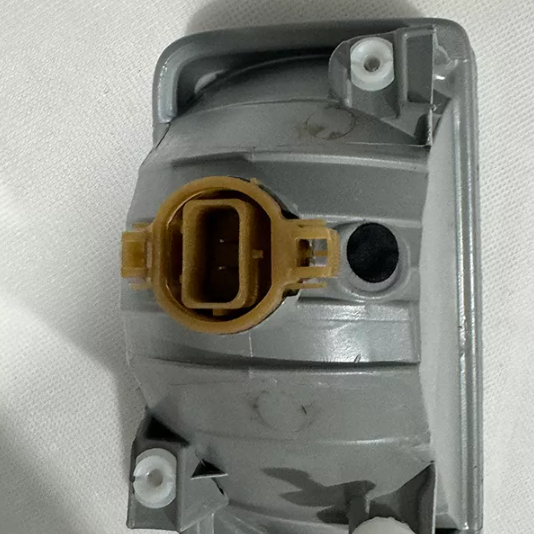
Precut tail light tints offer a perfect blend of convenience and style. They come pre-cut to fit specific vehicle makes and models, ensuring a precise fit without the need for complex measuring or cutting. This saves time and reduces errors during installation. These tints provide a professional, factory-like appearance, enhancing your car’s look quickly and easily. They also protect tail light lenses from minor scratches and UV damage, extending their lifespan. Because they’re vinyl-based, precut tints allow light to pass through, maintaining safety while giving a sleek smoked or tinted effect.
Installing precut tail light tints requires a clean, dust-free workspace and some basic tools. Follow these steps for the best results:
Clean the Tail Lights Thoroughly: Use a mixture of water and isopropyl alcohol or a dedicated surface prep solution to remove dirt, oils, and residues. Test cleanliness by sticking masking tape; if it sticks firmly, the surface is ready.
Spray Application Fluid: Liberally spray the tail light lens and the adhesive side of the tint film with an application fluid, such as a soap-and-water mix or a commercial product like Rapid Tac. This fluid prevents premature adhesion and allows repositioning.
Peel and Position the Film: Carefully peel the tint from its backing while keeping both sides wet. Place the film onto the wet tail light lens, aligning edges carefully. You can reposition the film easily thanks to the wet surface.
Squeegee Out Bubbles: Use a vinyl squeegee or a wrapped credit card to push out water and air bubbles, working from the center outward. Keep the surface wet to avoid scratches and allow smooth movement.
Heat and Stretch: For curved tail lights, gently heat the film using a heat gun or hair dryer on low setting. This softens the vinyl, allowing it to stretch and conform to curves without wrinkling.
Trim Excess Film: Use a razor blade or precision knife to carefully trim any excess film around the edges. Leave a small margin to tuck under the lens edges.
Tuck Edges: Use the heat gun and squeegee to tuck the film edges neatly under the tail light frame, hiding cut lines and securing the tint.
Dry and Cure: Allow the tint to dry for at least 24 hours. Minor fogging or bubbles may appear but usually clear as the film cures.
Pop Remaining Bubbles: After curing, carefully pop any persistent bubbles with a sharp needle and press out trapped air or fluid.
Maintaining precut tail light tints is straightforward but important for longevity:
Avoid Automated Car Washes: High-pressure water jets can lift edges or cause peeling.
Clean Gently: Use mild soap and water with a soft cloth to clean the tinted surface. Avoid abrasive cleaners or scrubbing pads.
Inspect Regularly: Check edges for lifting or peeling and address issues promptly to prevent further damage.
Protect from Harsh Elements: Whenever possible, park in shaded or covered areas to reduce UV exposure that can degrade the film.
Avoid Sharp Objects: Be careful not to scratch or puncture the tint during cleaning or handling.
Following these steps keeps your precut tail light tints looking fresh and effective for years.
To tint tail lights successfully, gather the right tools before starting. For spray tinting, you need:
Screwdriver or socket wrench to remove tail lights
Masking tape for protecting areas not to be tinted
Wet/dry sandpaper in 800, 1000, and 2000 grit for prepping and finishing
Spray cans: tint spray and clear coat spray
Rubbing compound and polishing compound for smoothing and shining
Microfiber towels and paper towels for cleaning and polishing
For film tinting, essential tools include:
Precision knife or razor blade for cutting film
Spray bottle filled with soapy water or a water-alcohol mix to wet surfaces
Squeegee, credit card wrapped in microfiber cloth, or spatula for smoothing film
Heat gun or hair dryer to help stretch film on curves
Microfiber towels for cleaning and drying
For precut tail light tints, you’ll need similar items: cleaning solution, application fluid (like Rapid Tac or soapy water), squeegee, razor blade, and heat gun.
Choosing high-quality materials makes a big difference in your tint job’s durability and appearance. For spray tinting, select a spray tint designed specifically for tail lights. These sprays allow light to pass through and resist cracking or peeling. Use a clear coat spray to protect the tint and add shine.
For film tinting, pick vinyl films that are durable, weather-resistant, and designed for automotive use. Films that allow good light transmission help keep your tail lights visible and safe. Precut films tailored to your vehicle model ensure a perfect fit and save application time.
Use cleaning products like isopropyl alcohol or dedicated surface prep solutions to remove oils and dirt. Application fluids, such as a mix of water and mild soap or commercial products like Rapid Tac, help position the film easily.
You can find tinting tools and materials at automotive stores, hardware stores, or online retailers specializing in car accessories. Websites like Amazon, eBay, or specialty shops offer a wide range of spray tints, vinyl films, precut kits, and application tools.
For professional-grade products, check out brands like VHT, Lamin-X, or Rvinyl. These brands provide detailed instructions and support, which is helpful if you’re new to tinting.
Local auto parts stores often carry spray tints and some vinyl films. For precut tints, online specialty stores or manufacturer websites are the best sources since they stock model-specific kits.
Tinting tail lights requires care to avoid injury or damage. Always work in a well-ventilated area when using spray tints to prevent inhaling harmful fumes. Wear protective gloves and a mask to shield skin and lungs from chemicals. Keep sandpaper wet during sanding to avoid scratches and reduce dust. Use tools carefully, especially sharp knives or razor blades, to prevent cuts. When heating film tints, avoid overheating to prevent burns or melting the material. Take your time; rushing can cause mistakes or accidents.
Tail light tinting is regulated by law in many regions. These laws set limits on how dark tint can be, ensuring tail lights remain visible to other drivers and emergency responders. Some areas forbid tinting reverse lights or require specific brightness levels. Before tinting, check your local Department of Motor Vehicles (DMV) or police websites for regulations. Ignoring these rules can lead to fines, failed vehicle inspections, or forced removal of tint. Laws vary widely, so verify rules for your state, province, or country.
The main purpose of tail lights is to signal your vehicle’s actions to others. Overly dark tint reduces light output, increasing accident risk. Keep reverse lights clear or add auxiliary lights if tinting them. After tinting, test your tail lights at night and in bad weather to confirm visibility. Make sure brake lights, turn signals, and hazard lights shine brightly and are easily seen from a distance. Prioritize safety over style; a subtle tint that maintains brightness is best.
Tinting tail lights can be done using spray, film, or precut methods. Each offers unique benefits and challenges, so choose based on your needs. Ensure safe and legal tinting by checking local regulations and maintaining visibility. Personalizing your vehicle with tail light tinting enhances style while protecting lights from damage. Consider products from Changzhou Jiasheng Vehicle Parts Co., Ltd. for high-quality materials that ensure a professional finish and long-lasting durability.
A: Tail light tinting involves applying a darkened layer over car lights to change their color and brightness, enhancing style and protection.
A: Clean the tail lights, cut the film, apply with soapy water, smooth out bubbles, trim excess, and allow it to cure for 24 hours.
A: Tinting car lights boosts style, protects them from scratches, and reduces glare, offering a customized look.
A: Yes, many regions regulate how dark car lights can be tinted to ensure visibility and safety, so check local laws before tinting.
A: Costs vary depending on the method and materials used, ranging from $30 to $150 for DIY kits or professional services.


