
Views: 0 Author: Site Editor Publish Time: 2026-01-28 Origin: Site


The Car Bumper is a vital component of any vehicle, providing protection during collisions and contributing significantly to the overall vehicle design. Over the years, the materials used for manufacturing Car Bumpers have evolved, with plastic and metal bumpers being the primary contenders. Understanding the Plastic vs Steel Bumpers debate is crucial for vehicle manufacturers, repair shops, and consumers alike. This comprehensive guide dives deep into the main differences between these two bumper types, focusing on key factors like Bumper Rust Resistance, Lightweight Bumper Design, durability, cost, and more.
Whether you’re shopping for a replacement or seeking to understand modern automotive trends, this article is packed with insights and comparisons designed to clarify which Car Bumper type fits your needs best.
Historically, metal bumpers, especially steel, were the standard in automotive design due to their strength and impact resistance. However, with advancements in materials science and a push for fuel efficiency, plastic bumpers have become increasingly prevalent. Both have distinct characteristics, pros, and cons.
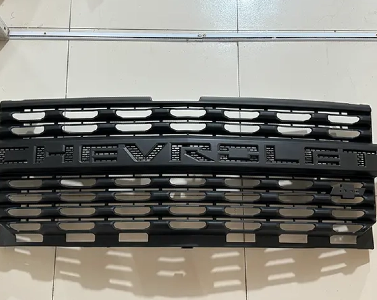
Plastic Bumpers are typically made from polymers like polypropylene, polyurethane, or ABS plastic. These materials offer flexibility, corrosion resistance, and ease of manufacturing.
Steel Bumpers consist of high-strength steel sheets, often treated with coatings to resist rust. They offer rigidity and excellent impact resistance but are heavier and prone to corrosion if untreated.
Plastic Bumpers contribute to a Lightweight Bumper Design, reducing the vehicle's overall weight. This reduction translates to better fuel efficiency and lower emissions.
Steel Bumpers are significantly heavier, which can negatively impact fuel economy but provide enhanced structural integrity in collisions.
Steel Bumpers excel in absorbing high-impact collisions, protecting vital vehicle components.
Plastic Bumpers are designed to absorb minor impacts and can deform upon collision, reducing damage to the vehicle's frame and making repairs easier.
Plastic Bumpers resist scratches and dents better and do not rust, offering superior Bumper Rust Resistance.
Steel Bumpers are more susceptible to rust and corrosion, especially in harsh climates or if the protective coating is damaged.
Plastic Bumpers tend to be less expensive to replace or repair due to ease of molding and availability of aftermarket parts.
Steel Bumpers may require specialized labor and treatment, increasing repair costs.
| Feature | Plastic Bumpers | Steel Bumpers |
|---|---|---|
| Weight | Lightweight | Heavy |
| Fuel Efficiency Impact | Improves fuel efficiency | Decreases fuel efficiency |
| Impact Resistance | Good for minor impacts, flexible | Excellent for major impacts |
| Rust Resistance | High (no rust) | Low (prone to rust without coating) |
| Repair Cost | Lower | Higher |
| Manufacturing Complexity | Easier, moldable | More complex, requires treatment |
| Durability | Resistant to dents and scratches | Strong but susceptible to corrosion |
| Aesthetic Flexibility | High, easily shaped and colored | Limited by metal shaping |
One of the most significant drawbacks of Steel Bumpers is their vulnerability to rust and corrosion. Exposure to moisture, road salt, and chemicals accelerates rust formation, which can compromise structural integrity and safety. While manufacturers apply protective coatings and paints, over time these layers can wear off, especially after collisions or scratches.
Plastic Bumpers offer inherent Bumper Rust Resistance, as plastic materials do not oxidize. This resistance not only reduces maintenance costs but also extends the lifespan of the bumper. In coastal or snowy regions, plastic bumpers offer distinct advantages in longevity.
With increasing environmental regulations and fuel economy standards, automotive manufacturers prioritize weight reduction. The Lightweight Bumper Design of plastic bumpers plays a critical role in reducing overall vehicle weight. Even a modest weight reduction can lead to noticeable fuel savings over a vehicle’s lifetime.
Moreover, lightweight bumpers contribute to improved handling and braking performance. Plastic materials can be engineered to optimize strength while minimizing weight, a significant advantage over traditional steel.
Safety is paramount when choosing a Car Bumper. Steel bumpers provide excellent impact resistance during severe collisions, often preventing significant damage to the vehicle frame and internal components. This makes them favorable for trucks and heavy-duty vehicles where robustness is essential.
Plastic bumpers, while more flexible, excel at absorbing energy during low-speed impacts, reducing damage and repair costs. Their ability to deform and return to shape can minimize injury risk to pedestrians, aligning with modern safety standards.
To leverage the benefits of both materials, many modern vehicles use hybrid bumpers—a steel or aluminum frame combined with a plastic cover. This design optimizes impact resistance, corrosion resistance, and weight.
Research into composite materials and advanced plastics promises bumpers that are stronger, lighter, and more durable. Manufacturers like Changzhou Jiasheng Vehicle Parts Co., Ltd. utilize cutting-edge materials to produce high-quality plastic bumpers that meet rigorous safety and aesthetic standards.
Modern bumpers, regardless of material, are increasingly integrated with sensors for parking assistance, collision detection, and autonomous driving features. Plastic bumpers facilitate easier sensor embedding due to their moldability.
| Cost Factor | Plastic Bumpers | Steel Bumpers |
|---|---|---|
| Manufacturing Cost | Lower | Higher |
| Repair Cost | Lower | Higher |
| Replacement Cost | Lower | Higher |
| Longevity (maintenance) | Longer (less rust) | Shorter (rust issues) |
Changzhou Jiasheng Vehicle Parts Co., Ltd. specializes in automotive lamps and plastic decorative parts. With DOT certification and a commitment to quality, Jiasheng provides durable, lightweight, and cost-effective Car Bumper solutions tailored for global markets such as North America and Southeast Asia. Their 1:1 mold opening and precision manufacturing ensure parts meet stringent safety and aesthetic demands, making them a leading supplier in the automotive exterior parts industry.
Plastic bumpers are lightweight, rust-resistant, and flexible, suitable for absorbing minor impacts, while steel bumpers are heavier, prone to rust, but offer excellent protection during severe collisions.
Plastic bumpers provide superior Bumper Rust Resistance as they do not corrode, unlike steel bumpers which require protective coatings and regular maintenance.
A Lightweight Bumper Design like plastic reduces the vehicle’s overall weight, improving fuel efficiency and handling compared to heavier steel bumpers.
Plastic bumpers excel in absorbing low-speed impacts and pedestrian safety, while steel bumpers are better suited for high-impact collisions. Modern vehicles often combine both materials for optimal safety.
Manufacturing complexity, material cost, repairability, and maintenance needs contribute to plastic bumpers generally being more cost-effective than steel bumpers.
Choosing between Plastic vs Steel Bumpers involves balancing safety, cost, durability, and design priorities. Plastic bumpers offer modern advantages in weight savings and corrosion resistance, fitting the needs of most passenger vehicles. Steel bumpers, however, remain essential for applications requiring high-impact resistance and structural strength.
Advances in materials technology and hybrid designs continue to blur the lines, providing consumers with bumpers that meet safety regulations while optimizing performance and aesthetics. Partnering with reputable manufacturers like Changzhou Jiasheng Vehicle Parts Co., Ltd. ensures access to premium-quality Car Bumper components that combine innovation, reliability, and affordability.
Understanding these key differences empowers buyers, automotive professionals, and manufacturers to make informed decisions tailored to evolving vehicle technologies and user needs.


