
Views: 0 Author: Site Editor Publish Time: 2026-01-19 Origin: Site


The Car Bumper is one of the most important exterior components of any vehicle. While many drivers see the Car Bumper as a simple plastic cover, it actually plays a crucial role in vehicle safety, appearance, aerodynamics, and even modern driver-assistance systems. Understanding the different types of Car Bumper designs can help car owners, repair shops, distributors, and importers make better decisions when it comes to replacement, upgrades, or customization.
In this comprehensive guide, we will explore the different types of Car Bumper used in today’s automotive market. We will cover Front and Rear Bumpers, compare OEM vs Aftermarket Bumpers, explain the purpose of Heavy Duty Bumpers, and analyze material choices, structure, cost, and industry trends. Tables and structured lists are included to make the information easy to understand and suitable for featured snippets.
A Car Bumper is a protective structure mounted at the front and rear of a vehicle. Its primary purpose is to absorb impact energy during low-speed collisions, minimizing damage to critical vehicle components and reducing injury risk.
Modern Car Bumper systems typically include:
A bumper cover (plastic or composite)
Energy-absorbing foam or honeycomb
Reinforcement bar (steel or aluminum)
Mounting brackets and sensors
With the increasing integration of sensors, cameras, and radar systems, the Car Bumper has become a multifunctional safety and technology platform.
One of the most common ways to classify a Car Bumper is by position: Front and Rear Bumpers.
The front Car Bumper is designed to protect:
Engine components
Radiator and cooling system
Headlights and sensors
Pedestrians in low-speed impacts
Because the front of a vehicle is more likely to be involved in collisions, the front Car Bumper often includes advanced energy-absorbing structures and pedestrian-protection features.
The rear Car Bumper primarily protects:
Trunk area
Fuel system
Rear lights
Exhaust components
Rear Car Bumper designs often focus on low-speed collision protection, such as parking accidents.
| Feature | Front Car Bumper | Rear Car Bumper |
|---|---|---|
| Impact frequency | High | Medium |
| Sensor integration | Very high | Medium |
| Pedestrian safety | Critical | Limited |
| Structural complexity | High | Moderate |
Understanding Front and Rear Bumpers helps buyers choose the correct replacement parts and avoid fitment issues.
Another important way to classify a Car Bumper is by material. Each material offers different benefits in terms of cost, weight, and durability.
Most modern passenger vehicles use plastic Car Bumper covers made from polypropylene or similar materials.
Advantages:
Lightweight
Cost-effective
Flexible design options
Disadvantages:
Limited impact resistance
Requires reinforcement support
Steel Car Bumper designs are commonly found in trucks and older vehicles.
Advantages:
High strength
Excellent impact resistance
Disadvantages:
Heavy
Higher fuel consumption impact
Aluminum Car Bumper systems offer a balance between strength and weight.
Advantages:
Lightweight
Corrosion-resistant
Disadvantages:
Higher cost
More complex repair process
One of the most searched topics related to Car Bumper replacement is OEM vs Aftermarket Bumpers. Understanding the difference is essential for both consumers and wholesalers.
OEM (Original Equipment Manufacturer) Car Bumper parts are produced according to original vehicle specifications.
Key Features:
Exact fitment
Consistent quality
Higher price
Aftermarket Car Bumper products are manufactured by third-party suppliers.
Key Features:
More affordable
Wide availability
Varying quality levels
| Aspect | OEM Car Bumper | Aftermarket Car Bumper |
|---|---|---|
| Fitment | Perfect | Good to excellent |
| Price | High | Medium to low |
| Availability | Limited | Wide |
| Custom options | Limited | Extensive |
Many professional suppliers focus on high-quality aftermarket Car Bumper solutions made with 1:1 molds of original vehicles, ensuring reliable fitment while maintaining price competitiveness.
Heavy Duty Bumpers are designed for vehicles that operate in demanding environments, such as off-road vehicles, trucks, and commercial fleets.
A Heavy Duty Bumper typically features:
Reinforced steel or aluminum structure
Higher impact resistance
Integrated protection for lights and radiators
Optional winch or tow hook support
Off-road vehicles
Pickup trucks
Commercial and utility vehicles
Construction and agricultural vehicles
| Feature | Standard Car Bumper | Heavy Duty Bumper |
|---|---|---|
| Impact resistance | Medium | Very high |
| Weight | Light | Heavy |
| Cost | Lower | Higher |
| Off-road use | Limited | Ideal |
While Heavy Duty Bumpers are not common on standard passenger cars, they are essential for specialized vehicle use.
Beyond materials and positioning, Car Bumper systems can also be categorized by structural design.
These Car Bumper designs focus on absorbing collision energy to reduce vehicle damage.
Reinforced Car Bumper systems use metal beams to enhance structural integrity.
Modular Car Bumper systems allow easy replacement of individual components, reducing repair costs.
The design of the Car Bumper is evolving rapidly due to technological and regulatory changes.
Integration of ADAS sensors
Improved pedestrian safety standards
Lightweight materials
Aerodynamic optimization
As a result, modern Car Bumper designs are more complex than ever, making correct selection increasingly important.
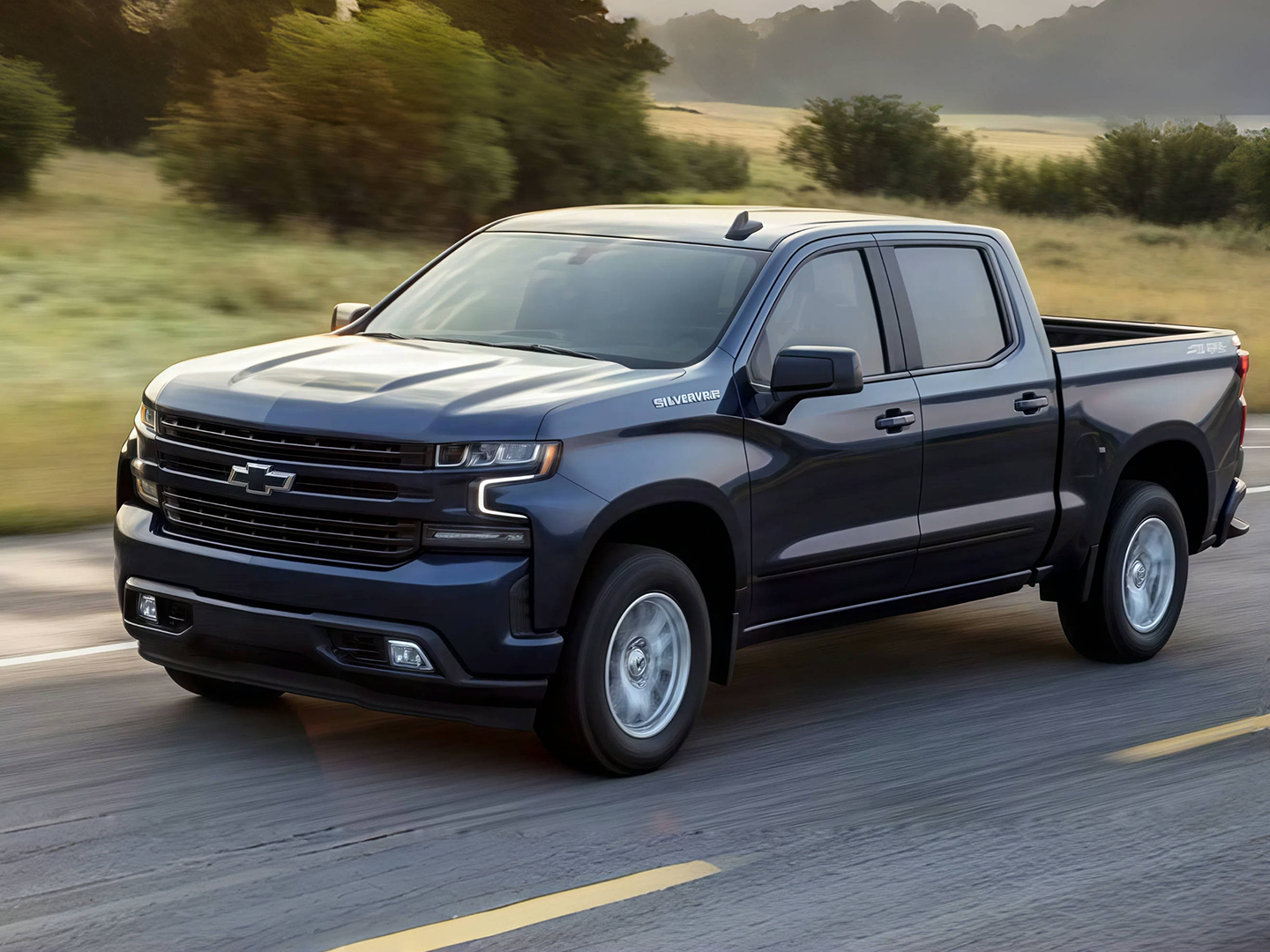
Understanding cost differences helps buyers choose the right Car Bumper for their needs.
| Car Bumper Type | Cost Range |
|---|---|
| Plastic bumper | Low |
| Aluminum bumper | Medium |
| Steel bumper | Medium to high |
| Heavy Duty Bumper | High |
Cost varies depending on whether the part is OEM or aftermarket, reinforcing the importance of understanding OEM vs Aftermarket Bumpers.
When selecting a Car Bumper, consider the following factors:
Vehicle model and year
Front and rear compatibility
Intended use (daily driving vs off-road)
Budget and quality expectations
Legal and safety compliance
Reliable aftermarket suppliers that focus on precision molds and quality control can offer excellent alternatives to OEM parts. For example, manufacturers specializing in automotive exterior plastic components often emphasize exact-fit Car Bumper production, global export standards, and long-term durability—key factors for international buyers and distributors.
The main Car Bumper types include plastic bumpers, steel bumpers, aluminum bumpers, and Heavy Duty Bumpers, as well as Front and Rear Bumpers.
OEM vs Aftermarket Bumpers differ mainly in price, availability, and brand origin, while quality can be comparable if produced with accurate molds.
Heavy Duty Bumpers are usually legal but may require compliance with local safety and pedestrian regulations.
No, Front and Rear Bumpers are designed differently and are not interchangeable.
For daily driving, a standard plastic Car Bumper with proper reinforcement offers the best balance of safety, cost, and efficiency.
The Car Bumper is far more than a cosmetic component—it is a critical safety, structural, and functional element of modern vehicles. By understanding the different types of Car Bumper, including Front and Rear Bumpers, the distinctions between OEM vs Aftermarket Bumpers, and the role of Heavy Duty Bumpers, car owners and buyers can make informed, confident decisions.
As vehicle technology continues to evolve, choosing the right Car Bumper—with proper fitment, quality materials, and compliance—will remain essential for safety, performance, and long-term value.


