
Views: 0 Author: Site Editor Publish Time: 2025-10-24 Origin: Site


Have you noticed your car lights flickering unexpectedly? This issue can be more than just a minor annoyance. Flickering lights can signal underlying electrical problems that might affect your vehicle's performance and safety. In this post, you'll learn about common causes of flickering car lights and why timely diagnosis and repair are crucial.
A failing battery is a common culprit behind flickering car lights. Your car's lights rely heavily on the battery to supply steady power. When the battery starts to weaken, it struggles to maintain a consistent voltage, causing the lights to flicker or dim unexpectedly.
The battery stores electrical energy and supplies it to your car's electrical system when the engine isn't running or when demand exceeds what the alternator provides. As the battery ages or deteriorates, its ability to hold a charge diminishes. This leads to voltage fluctuations, which your headlights and dashboard lights react to by flickering.
Flickering or dimming headlights, especially when idling or during startup
Slow engine crank or difficulty starting the car
Electrical components acting erratically, such as power windows or radio cutting out
Corroded or loose battery terminals (can also contribute to flickering)
Battery warning light illuminated on the dashboard
Regularly inspect battery terminals for corrosion and clean them if necessary
Ensure battery connections are tight and secure to avoid power interruptions
Avoid frequent short trips, which prevent the battery from fully charging
Limit use of high-power electrical accessories when the engine is off
Test battery health annually, especially if it’s over three years old, and replace it before it fails completely
Store your vehicle in a garage or shaded area to protect the battery from extreme temperatures, which can shorten its lifespan
Proactively maintaining your battery helps prevent flickering lights and other electrical issues. If you notice persistent flickering, a professional battery test can determine if replacement is needed before more serious problems arise.
The alternator plays a crucial role in your car's electrical system. It generates the electrical power needed to keep your battery charged and to run your vehicle’s electrical components, including your headlights. When the alternator starts to fail, it can no longer maintain a steady voltage, which often causes your car lights to flicker or dim.
While the battery provides power to start the car, the alternator takes over once the engine is running. It converts mechanical energy from the engine into electrical energy, supplying power to the car's electrical systems and recharging the battery. This continuous power supply is essential for stable lighting and other electrical functions.
Flickering or dimming headlights and dashboard lights
Battery warning light illuminated on the dashboard
Electrical accessories (radio, power windows) working intermittently or slowly
Difficulty starting the engine or frequent stalling
Unusual noises such as growling or whining from the engine area
Burning rubber smell, which may indicate the alternator belt is slipping or damaged
If you notice these signs, it’s important to have your alternator checked promptly. Ignoring a failing alternator can lead to a dead battery, leaving you stranded.
Have your alternator tested during regular vehicle maintenance, especially if your car is older or showing symptoms
Check the alternator belt for wear, cracks, or looseness, and replace it as needed
Keep the alternator clean and free from oil or dirt buildup that can cause overheating
Avoid overloading your electrical system with too many aftermarket accessories, which can strain the alternator
If your battery light comes on while driving, have your electrical system inspected immediately
Proper maintenance and timely repairs of the alternator ensure your car’s electrical system remains stable, preventing flickering lights and other electrical issues.
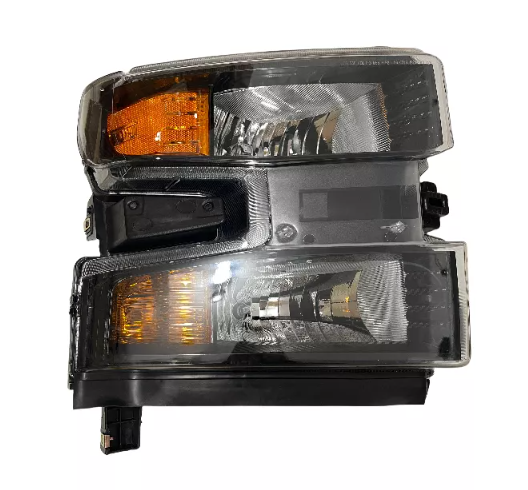
Car lights flickering can often be traced back to old or damaged bulbs. Over time, bulbs wear out or their filaments weaken. This causes inconsistent lighting or flickering as the electrical current struggles to pass through the bulb properly.
When a bulb is nearing the end of its life, it may flicker because the filament inside is breaking or the internal connections are loose. This flickering can be intermittent or continuous and often worsens when the vehicle hits bumps or vibrations. Additionally, moisture or corrosion inside the bulb socket can cause poor contact, leading to flickering lights.
Turn off your car and open the hood or access the headlight housing from the back.
Inspect the bulb for any visible signs of damage, such as a broken filament or dark spots inside the glass.
Wiggle the bulb gently to see if it flickers or if the connection feels loose.
If the bulb looks damaged or flickers during the test, replace it with a new one that matches your vehicle’s specifications.
Make sure to handle new bulbs with clean gloves or a cloth to avoid oils from your skin, which can shorten the bulb’s life.
After replacement, test the lights to confirm the flickering has stopped.
Avoid touching the glass part of halogen bulbs directly. Oils can cause hot spots and premature failure.
Regularly inspect bulbs during routine maintenance to catch early signs of wear.
Keep the headlight housing clean and sealed to prevent moisture buildup.
Consider upgrading to LED bulbs, which last longer and are less prone to flickering.
Avoid using bulbs with incorrect wattage or type, as they can strain your electrical system and reduce bulb life.
Proper bulb maintenance is an easy and cost-effective way to prevent flickering lights. Replacing worn bulbs promptly ensures your vehicle remains safe and visible on the road.
Flickering car lights can often be traced back to loose electrical connections or issues with fuses. These problems interrupt the steady flow of electricity to your lights, causing them to flicker or flash unpredictably.
When wires or connectors aren’t tightly secured, they can cause intermittent contact. This makes the electrical current jump on and off, resulting in flickering headlights or dashboard lights. Vibrations from driving, especially on rough or gravel roads, can worsen the issue by shaking loose these connections further. Similarly, a fuse that’s not seated properly or is damaged can cause power interruptions to your car’s lighting system.
Start by inspecting the wiring harnesses near your headlights and battery. Look for any loose, corroded, or damaged connectors.
Check the fuse box for any blown fuses or fuses that seem loose in their slots.
Wiggle wires gently to see if the lights flicker or change brightness, indicating a poor connection.
Use a multimeter to test for continuity and voltage stability in suspect circuits.
If unsure, a professional mechanic can perform a thorough electrical system diagnosis to pinpoint the problem accurately.
Tighten any loose connectors by pushing them firmly into place or using pliers if appropriate, taking care not to damage wiring.
Clean corroded terminals using a wire brush or electrical contact cleaner to improve conductivity.
Replace any damaged or frayed wires to prevent shorts or power loss.
Remove and reseat fuses to ensure they fit snugly; replace any blown fuses with the correct amperage rating.
Consider using dielectric grease on connections to protect against moisture and corrosion.
After repairs, test your lights by turning them on and driving over bumps to confirm flickering stops.
Addressing loose connections and fuse problems quickly prevents further electrical issues and ensures your car lights operate reliably. Ignoring these signs can lead to more serious faults or even electrical shorts that may cause safety hazards.
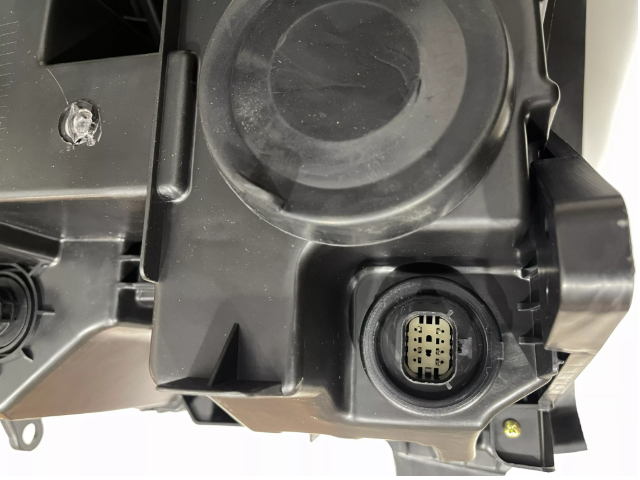
Damaged wiring can cause your car lights to flicker by disrupting the steady flow of electricity. Wires inside your vehicle carry power from the battery and alternator to the lights. When these wires get worn, frayed, or broken, the connection becomes unstable. This instability causes the lights to flicker or even go out intermittently.
Flickering headlights or taillights that come and go without warning
Lights that dim or brighten suddenly while driving
Complete failure of one or more lights, especially when turning or hitting bumps
Burning smell or visible melted insulation near wiring harnesses (a sign of short circuits)
Electrical shorts that may blow fuses repeatedly
Damaged wiring can result from several factors, including exposure to moisture, corrosion, rodents chewing on wires, or physical wear from rubbing against other components. Over time, insulation breaks down, and wires can pull loose from connectors.
Visually inspect wiring near headlights, taillights, and under the hood for cracks, frays, or exposed copper
Look for discoloration or melted plastic on wires or connectors which indicates overheating
Wiggle wires gently while observing if lights flicker or change brightness
Check for corrosion on connectors, which can interrupt electrical flow
Use a multimeter to test for continuity and voltage drops along suspect wires
Listen for buzzing or crackling sounds near wiring when lights flicker
For minor damage, carefully strip back insulation and use electrical tape or heat shrink tubing to insulate exposed wires
Replace any wiring sections that are severely frayed, burnt, or broken
Use proper gauge wire and connectors matching your vehicle’s specifications
Secure wires away from moving parts or sharp edges that can cause wear
Clean corroded connectors with electrical contact cleaner before reconnecting
If unsure about diagnosing or repairing wiring, seek help from a professional technician to avoid electrical hazards
Properly maintained wiring ensures your car lights receive consistent power, preventing flickering and potential safety risks. Damaged wiring left unrepaired can lead to more serious electrical problems or even fire hazards.
The headlamp switch controls your car’s lights, turning them on or off and adjusting settings like high beams. When this switch starts to fail, it can cause your car lights to flicker or behave unpredictably.
The headlamp switch acts as the main control for your vehicle’s lighting system. It sends electrical signals to the headlights, taillights, and dashboard lights, telling them when to turn on, off, or switch modes. A properly functioning switch ensures your lights receive consistent power and operate smoothly.
Flickering headlights or dashboard lights that come and go
Lights turning on or off unexpectedly without user input
Difficulty switching between low and high beams
Lights remaining on even when the switch is in the off position
Intermittent loss of lighting during driving, especially on rough roads
Physical signs such as a loose, stiff, or broken switch mechanism
These symptoms can be frustrating and dangerous, especially when driving at night or in poor visibility conditions. A faulty switch interrupts the flow of electricity, causing inconsistent lighting performance.
Inspect the switch for any visible damage or wear. Sometimes dirt or corrosion inside the switch can cause poor contact.
Clean the switch contacts using electrical contact cleaner to remove grime and improve conductivity.
Test the switch operation by cycling through its settings and observing the lights’ response.
If the switch is physically damaged or cleaning doesn’t help, replacement is usually necessary.
For modern cars with integrated electronic controls, diagnostic tools may be required to identify switch faults accurately.
Have a professional technician handle replacement or repairs to avoid damaging other electrical components.
Addressing a faulty headlamp switch promptly restores reliable lighting, improving safety and preventing further electrical issues in your vehicle.
Flickering car lights can result from various issues, including a dying battery, failing alternator, worn bulbs, loose connections, bad wiring, or a faulty headlamp switch. Timely diagnosis and repair are crucial to prevent further electrical problems and ensure safety. If unsure, seeking professional help can be beneficial. Changzhou Jiasheng Vehicle Parts Co., Ltd. offers high-quality vehicle parts, ensuring reliable performance and value for your car’s electrical system needs.
A: Car lights flickering can be caused by a dying battery, failing alternator, worn-out bulbs, loose connections, bad wiring, or a faulty headlamp switch.
A: A failing battery struggles to maintain consistent voltage, causing car lights to flicker or dim due to voltage fluctuations.
A: Inspect the battery, alternator, bulbs, wiring, connections, fuses, and headlamp switch for any signs of damage or wear.
A: Yes, damaged wiring disrupts electrical flow, leading to flickering car lights or intermittent lighting issues.


