
Views: 0 Author: Site Editor Publish Time: 2026-01-16 Origin: Site


A Car Bumper is one of the most commonly damaged parts of a vehicle. Whether caused by a minor parking accident, a low-speed collision, or everyday wear and tear, bumper damage often raises an urgent and practical question for drivers: Can I still drive my car safely if the bumper is damaged?
This question reflects real Google user search intent, combining concerns about safety, legality, cost, and short-term driving practicality. The answer is not always a simple yes or no. It depends on the type of damage, how severe it is, whether the Car Bumper is loose, and how local laws define Bumper Repair Legality.
In this in-depth guide, we will analyze Car Bumper damage from multiple perspectives, including Damaged Bumper Safety, Loose Bumper Driving, legal compliance, repair decisions, and cost considerations. We will also use tables and lists to help you quickly determine whether your vehicle is safe and legal to drive.
Before deciding whether you can drive with a damaged Car Bumper, it's important to understand what the Car Bumper is designed to do.
A modern Car Bumper is not just a decorative plastic cover. It is a safety component engineered to:
Absorb low-speed impact energy
Protect vital vehicle components
Reduce injury risk to pedestrians
Support sensors, lights, and brackets
Maintain aerodynamic stability
Most Car Bumper systems consist of multiple layers, including a plastic bumper cover, energy-absorbing foam, and a reinforcement bar.
When a Car Bumper is damaged, these functions may be compromised, directly affecting Damaged Bumper Safety.
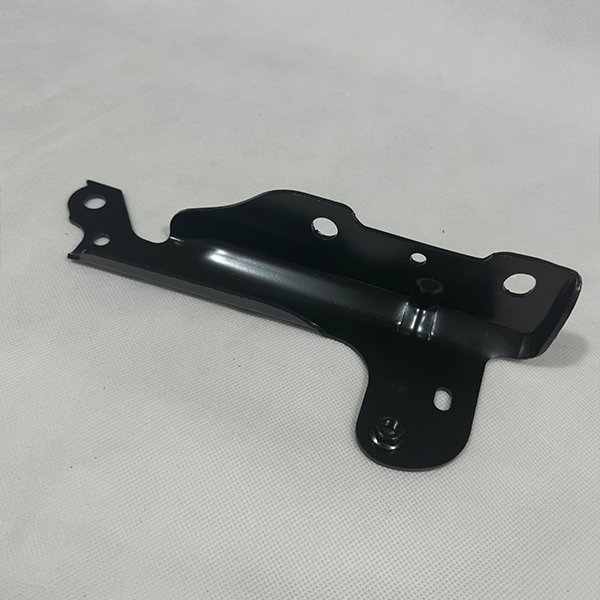
Not all Car Bumper damage is equal. Some damage is cosmetic, while other damage directly affects driving safety.
| Damage Type | Description | Driving Risk |
|---|---|---|
| Scratches | Surface paint damage | Low |
| Cracks | Visible splits in bumper cover | Medium |
| Dents | Deformation of bumper structure | Medium |
| Loose bumper | Bumper partially detached | High |
| Internal damage | Reinforcement or sensors affected | High |
Understanding the damage type is the first step in evaluating Damaged Bumper Safety.
The short answer: sometimes, but with conditions.
You may be able to drive temporarily if:
The Car Bumper is securely attached
Damage is cosmetic only
No sharp edges are exposed
Lights, sensors, and brackets are intact
In these cases, Damaged Bumper Safety risks are relatively low, especially for short-distance driving.
Driving is unsafe if:
The Car Bumper is loose or hanging
Parts can fall off while driving
Sensors or lights are misaligned
Internal bumper structure is damaged
This is where Loose Bumper Driving becomes a serious hazard, not just to you, but to other road users.
Loose Bumper Driving is one of the most dangerous situations related to Car Bumper damage.
The bumper can detach at high speed
Loose plastic can hit tires or brakes
Detached parts can cause accidents behind you
Wind resistance may affect vehicle control
Even if the Car Bumper appears “mostly attached,” vibration and airflow can worsen the damage rapidly.
| Condition | Risk Level |
|---|---|
| Tight bumper, cosmetic damage | Low |
| Cracked but stable bumper | Medium |
| Loose bumper cover | High |
| Hanging bumper | Extremely High |
From a Damaged Bumper Safety perspective, Loose Bumper Driving should be avoided whenever possible.
One of the most searched concerns is Bumper Repair Legality. Laws vary by country and region, but general principles apply.
Driving with a damaged Car Bumper may be illegal if:
The bumper is likely to fall off
Sharp edges are exposed
Lights or reflectors are obstructed
Pedestrian safety is compromised
In many regions, traffic laws require vehicles to be in “roadworthy condition.” A severely damaged Car Bumper may violate this requirement.
| Scenario | Legal Status |
|---|---|
| Minor scratches | Usually legal |
| Cracked but secure bumper | Often legal (temporary) |
| Loose bumper driving | Often illegal |
| Missing bumper | Illegal in most regions |
From a Bumper Repair Legality standpoint, it is always safer to repair or temporarily secure the Car Bumper before driving.
Modern vehicles rely on the Car Bumper to support multiple systems.
Parking sensors
Radar and ADAS systems
Fog lights and daytime running lights
License plate brackets
Damage can lead to false sensor readings or system malfunctions, directly impacting Damaged Bumper Safety.
Many drivers consider temporary solutions to avoid Loose Bumper Driving.
Zip ties or clips (short-term only)
Professional temporary fastening
Removing loose sections safely
⚠️ Important: Temporary fixes do not replace proper repair and may not satisfy Bumper Repair Legality requirements.
Small cracks
Cosmetic damage
No internal structure damage
Broken mounting points
Deformed reinforcement bar
Repeated Loose Bumper Driving issues
Using high-quality replacement Car Bumper parts is essential for restoring original safety performance.
Companies like Changzhou Jiasheng Vehicle Parts Co., Ltd., which specialize in automotive exterior plastic parts and produce components based on 1:1 original car molds, help ensure proper fitment, durability, and compliance with safety standards when replacement is required.
Many drivers delay repair due to cost concerns. However, ignoring Car Bumper damage can be more expensive long-term.
| Option | Estimated Cost |
|---|---|
| Temporary driving with damage | Low (short-term) |
| Minor bumper repair | Medium |
| Full bumper replacement | Higher |
| Accident caused by loose bumper | Very high |
From both Damaged Bumper Safety and financial perspectives, timely repair is often the smarter choice.
Many insurance policies cover Car Bumper damage.
Minor damage may be covered under collision coverage
Driving with visible damage may affect claims
Loose Bumper Driving after an accident could reduce liability coverage
Check your policy before deciding to delay repairs.
Use this quick checklist to assess your situation.
Is the Car Bumper firmly attached?
Are there no sharp or hanging parts?
Are all lights and sensors working?
Is the damage cosmetic only?
If you answer “no” to any of these, driving may violate Damaged Bumper Safety or Bumper Repair Legality guidelines.
Modern vehicles increasingly integrate technology into the Car Bumper, including ADAS sensors and radar systems. This means even small bumper damage can affect braking assistance, parking systems, and collision warnings.
As vehicles become more advanced, Damaged Bumper Safety risks increase, making early repair more important than ever.
It depends on severity. Minor cracks may be legal, but Loose Bumper Driving often violates Bumper Repair Legality rules.
Yes. Loose Bumper Driving significantly increases accident risk and is a major Damaged Bumper Safety concern.
Many policies do, but driving with unrepaired damage may affect claims.
Indirectly, yes. Sensors mounted near the Car Bumper may be affected.
If structural integrity or mounting points are damaged, replacement is usually safer.
So, can you drive your car if the bumper is damaged? The answer depends on safety, legality, and risk tolerance. While minor cosmetic Car Bumper damage may allow temporary driving, Loose Bumper Driving and structural damage pose serious safety and legal risks.
From Damaged Bumper Safety to Bumper Repair Legality, the smartest decision is to inspect the damage carefully and address it promptly. A well-maintained Car Bumper protects not only your vehicle, but also your passengers, pedestrians, and everyone else on the road.
When in doubt, repair sooner rather than later—your safety is always worth it.


