
Views: 0 Author: Site Editor Publish Time: 2026-07-25 Origin: Site


Upgrading automotive lighting is frequently treated as a purely aesthetic decision, but color temperature is a critical functional specification that directly dictates nighttime visibility, depth perception, and driver fatigue. Selecting the wrong Kelvin (K) rating can result in severe light scattering in adverse weather, reduced contrast on dark roads, or dangerous glare for oncoming traffic. Buyers must balance peak lumen output with usable light spectrums to ensure safety and performance. This guide breaks down the technical evaluation of color temperatures for Car Lights, mapping specific Kelvin ranges to distinct driving environments, vehicle types, and underlying lighting technologies to ensure a compliant and effective upgrade. We will cover everything from the physics of light spectrums to practical installation adjustments, giving you the exact data needed to make an informed lighting decision for your specific driving conditions.
The OEM Standard: 4300K to 5000K remains the industry sweet spot for general driving, offering a neutral white light that balances dry-road contrast with adequate weather penetration.
The Daytime vs. Nighttime Split: High color temperatures (5000K+) excel as Daytime Running Lights (DRLs) to increase vehicle conspicuity, but require careful management at night to prevent glare.
Weather vs. Clarity Trade-off: Higher color temperatures (6000K+) provide crisp illumination for clear highways and off-roading but suffer from severe refraction in rain, fog, or snow.
Technology Matters: The performance of a specific color temperature shifts depending on whether you are utilizing halogen, HID, or modern LED car lights, due to differences in beam focus and light density.
Vehicle Geometry: High-riding vehicles require stricter attention to color temperature and beam alignment to prevent blinding oncoming traffic with high-Kelvin, high-intensity output.
Color temperature is measured on the Kelvin (K) scale, which ranges from 3000K to over 8000K in automotive applications. This scale measures the hue of the light source, not the physical heat or total brightness. Brightness is measured in lumens. A 3000K bulb produces a warm, amber-yellow light. Moving up the scale, 4300K to 5000K produces a neutral white light. Ratings above 6000K shift into the blue and purple spectrums. Understanding this scale is the first step in selecting functional lighting. When you install a new set of bulbs, the Kelvin rating dictates how the light interacts with the environment. Lower Kelvin numbers mean longer light wavelengths, while higher numbers mean shorter wavelengths. This physical difference changes how the light reflects off asphalt, road signs, and precipitation.
The human eye processes different light spectrums differently at night. Daylight-mimicking spectrums around 5000K provide optimal contrast. They allow the eye to relax and focus naturally. Blue-heavy light above 6500K causes faster pupil constriction. This leads to rapid eye fatigue during night driving. High-Kelvin lights scatter more easily inside the human eye. This scattering reduces depth perception and makes it harder to spot distant objects. Maintaining a balanced spectrum is essential for long-term driving comfort. If you spend hours behind the wheel after dark, choosing a color temperature that aligns with natural daylight will significantly reduce the strain on your optic nerve.
Color Rendering Index (CRI) is a vital metric in automotive lighting. CRI measures how accurately a light source reveals the true colors of objects compared to natural sunlight. Chasing the highest Kelvin rating often results in lower usable light on the asphalt. A 7000K bulb might look intensely bright when looking directly at the housing. However, it often fails to illuminate dark asphalt effectively because the dark road surface absorbs the blue light spectrum. High CRI ratings are typically found in the 4300K to 5500K range. This ensures road signs, debris, and lane markings remain highly visible. You want a light that reflects back to your eyes with accurate color representation, allowing you to distinguish between a wet patch of road and a dangerous pothole.
Maximizing vehicle visibility to oncoming traffic is the primary goal during daylight hours. You must achieve this without creating blinding glare. Bulbs with a color temperature of 5000K or higher emit a cool, blue-white light. This spectrum stands out clearly against ambient sunlight. It makes them highly effective for Daytime Running Lights (DRLs). The high contrast grabs the attention of pedestrians and other drivers. However, these highly effective daytime lights must be dimmed at night. Pairing them with lower-Kelvin projectors prevents blinding other motorists after dark. Many modern vehicles use a dedicated LED strip running at 6000K for daytime running, which automatically dims or shuts off when the primary 4300K headlights engage at dusk.
Urban driving requires identifying pedestrians and reading street signs quickly. Navigating well-lit environments without causing glare is critical. The 4300K to 5500K range closely mimics natural daylight. This range provides optimal depth perception for city streets. It helps identify roadside obstacles far ahead of the vehicle. This spectrum also integrates seamlessly with existing municipal street lighting, which often utilizes high-pressure sodium or modern LED fixtures. It may lack the ultra-modern ice-blue aesthetic some buyers seek. Yet, it delivers superior functional safety for daily commuting. When driving in a city, you are competing with ambient light from storefronts and streetlamps; a 5000K beam cuts through this light pollution effectively.
Highway driving demands maximum forward illumination. Early detection of wildlife and road debris is a strict requirement. Reducing eye strain over long hours is also necessary. The 5000K to 6000K range provides crisp, high-contrast illumination. This makes reflective road lines pop at long distances. Animal eyes also reflect this spectrum highly effectively, giving you precious extra seconds to react to a deer on the shoulder. However, pushing closer to 6000K increases the risk of eye fatigue. Multi-hour drives under heavy blue light emission can strain the driver's vision. We recommend staying closer to 5000K if your commute involves long stretches of unlit interstate.
Penetrating precipitation without creating a white wall of reflected light is challenging. Airborne moisture acts like millions of tiny mirrors. Lower color temperatures have longer wavelengths. The 3000K yellow to 4300K warm white spectrums cut through airborne moisture. They do not refract off the water droplets as severely as blue light. We recommend utilizing 3000K for dedicated fog lights. Keep primary headlights in the 4300K to 5000K range. This creates a highly effective dual-threat weather setup. When heavy snow falls, a 6000K headlight will blind you with reflection, while a 3000K fog light will illuminate the road surface beneath the snowfall.
Off-road driving focuses on illuminating wide, unpaved areas. Spotting terrain changes and maximizing raw lumen output are the primary goals. The 6000K to 6500K range is highly effective for off-road light bars. Auxiliary pods benefit greatly from this high-contrast spectrum. Weather penetration is secondary to raw terrain visibility in these scenarios. The stark white light casts sharp shadows, helping you identify ruts, rocks, and dips in the trail. Note that lights exceeding 6000K are often restricted from on-road use. Auxiliary off-road pods must be covered or disabled on public highways to comply with local laws.
Traditional halogens are limited by a fixed warm color temperature. They are typically capped around 3200K to 3400K. This provides excellent weather penetration but poor overall contrast. HID or Xenon systems produce light in the 4300K to 6000K range. They rely on gas-discharge technology. This requires a warm-up period to reach a stable color temperature. Modern LED Car Lights offer a highly tunable spectrum. Manufacturers can hit precise Kelvin values instantly without warm-up delays. LEDs also maintain their color temperature more consistently over their lifespan compared to HIDs, which tend to color-shift toward the blue spectrum as the gas degrades over years of use.
LED chips producing 6000K light require strict thermal management. They need heavy-duty heat sinks or active cooling fans. Maintaining color consistency requires keeping the diode at a stable temperature. Thermal degradation can cause color shifting over time. High-Kelvin LEDs must also be paired with high-quality diodes. Brands like CSP or CREE ensure the light is focused down-road. Poor quality diodes scatter high-Kelvin light, creating severe glare for oncoming traffic. When selecting an LED upgrade, look for bulbs that mimic the exact size and placement of the original halogen filament to ensure the reflector housing can focus the light properly.
Color Temperature | Primary Benefit | Weather Performance | Aesthetic Profile |
|---|---|---|---|
4300K (OEM Standard) | Maximum safety and high CRI | Superior in rain and fog | Warm white, factory appearance |
5800K (Modern Sweet Spot) | Crisp obstacle detection | Adequate for most conditions | Pure white, modern styling |
6500K (Aftermarket Trend) | High contrast on dry roads | Poor, high reflection in fog | Ice-blue, aggressive look |
The 4300K rating emphasizes safety and complete legal compliance. It delivers superior wet-weather performance but lacks modern styling. The 5800K rating delivers a crisp, pure white light. It maximizes obstacle detection without crossing into the high-glare blue spectrum. The 6500K rating offers an aggressive aesthetic preferred for show cars. However, it suffers from high light reflection in rain and increased eye fatigue. Choosing between these three comes down to prioritizing either all-weather functionality or dry-road aesthetics.
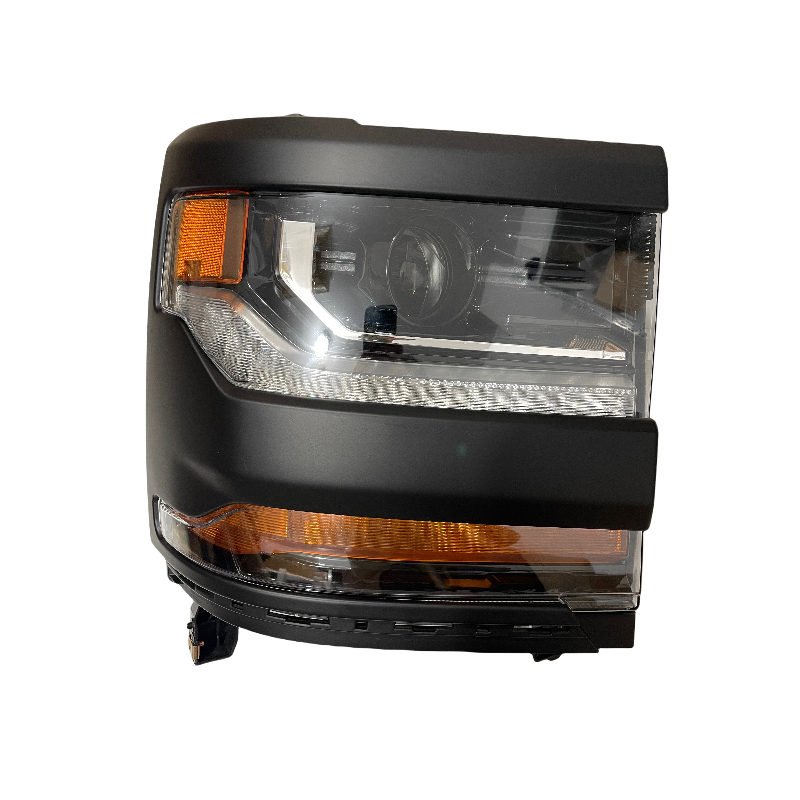
Ride height heavily influences how color temperature is perceived. Trucks like the Chevy Silverado have elevated headlight housings. This changes the angle of light projection significantly. A 6000K light mounted higher up is perceived as much more glaring. Drivers in lower sedans suffer the most from this setup. Upgrading Silverado Car Lights requires careful housing compatibility checks. Placing high-Kelvin LED bulbs into factory reflector housings meant for halogens is risky. It scatters light dangerously. Proper projector housings are required to control high-Kelvin truck lighting. If you lift your truck, you must re-aim the headlights downward to compensate for the new geometry, regardless of the color temperature you choose.
The Department of Transportation (DOT) sets strict guidelines regarding headlight color. The Society of Automotive Engineers (SAE) also provides compliance frameworks. Headlights must project white light on public roads. Blue and red spectrums are strictly restricted for emergency vehicles. Bulbs exceeding 6000K often fail state safety inspections. Inspectors flag them due to excessive blue hues. Staying below 6000K ensures you remain compliant and avoid unnecessary citations. Always check your local jurisdiction's specific wording on acceptable headlight colors before purchasing an aftermarket kit.
Choosing the right color temperature is useless if the installation is poor. The bulb must be clocked or rotated correctly within the housing. Incorrect rotation destroys the beam pattern and creates massive glare. Test the cutoff line against a wall post-installation. Ensure the new color temperature is focused entirely below the side mirrors of a standard sedan. Proper alignment maximizes usable light and protects oncoming drivers.
Park the vehicle on a flat surface exactly 25 feet away from a blank wall.
Measure the distance from the ground to the center of your headlight lens.
Mark that exact height on the wall with a piece of tape.
Turn on the headlights and adjust the housing until the top of the intense light beam sits exactly two inches below the tape mark.
Verify your local state inspection laws regarding maximum allowable Kelvin ratings before purchasing new bulbs.
Select 4300K to 5000K bulbs if you frequently drive in heavy rain, fog, or snow to maintain visibility.
Align your headlight housings immediately after installing any bulb exceeding 5000K to prevent blinding oncoming traffic.
Install dedicated 3000K fog lights to handle severe weather if you choose 6000K for your primary driving beams.
Check the rotation of your LED bulbs inside the housing to ensure the diodes face the 3 o'clock and 9 o'clock positions for a proper beam pattern.
A: The 4300K to 5000K range is best for general night driving. It mimics natural daylight, providing excellent contrast and depth perception while minimizing eye fatigue over long distances.
A: Most 6000K headlights are legal as they project a bright white light with a slight blue tint. However, anything above 6000K risks violating DOT regulations restricting blue lights to emergency vehicles.
A: High-Kelvin lights (6000K+) have shorter wavelengths that refract heavily off water droplets. This creates a blinding white wall effect, reducing forward visibility in rain or fog.
A: Placing LEDs in standard halogen reflector housings often scatters the light, causing severe glare. You should use projector housings designed to focus the intense light output of LEDs.
A: No. Kelvin measures the color hue of the light, not the brightness. Brightness is measured in lumens. A 4300K bulb can be significantly brighter than an 8000K bulb depending on the wattage.


