
Views: 0 Author: Site Editor Publish Time: 2026-06-12 Origin: Site


Finding a crack on your vehicle often triggers immediate frustration. A cracked fascia compromises vehicle aesthetics almost instantly. It can also lead to further structural degradation if ignored. Car owners face a distinct choice regarding these repairs. You must decide between an inexpensive but labor-intensive DIY repair or a costly professional replacement. Repairing a modern plastic automotive bumper requires precise techniques to ensure long-term durability.
This guide provides a reliable framework to evaluate the damage accurately. We will help you select the correct repair methodology for your specific situation. You will discover exactly how to execute a permanent fix on a plastic fascia. We detail the required tools, safety precautions, and finishing steps needed for success. By the end, you will possess the knowledge necessary to restore your vehicle confidently.
Assessment First: Not all cracks are safely repairable; damage near sensors or structural mounting points requires professional replacement.
Methodology Matters: Two-part flexible epoxies and plastic welding are the only verifiable methods for long-lasting structural repairs on modern plastics.
Preparation is Critical: 80% of repair failures stem from improper surface preparation and inadequate sanding.
Cost vs. Effort: DIY repairs cost significantly less in materials but require specific environmental conditions and substantial labor time.
Assessing the damage correctly determines the entire trajectory of your repair project. A successful repair restores the visual lines of the car flawlessly. It also returns the flexibility of the plastic to factory standards. You want the repaired area to withstand minor stress without snapping again.
Knowing when to tackle the job yourself saves time and money. You can safely proceed with a DIY repair under specific conditions. First, ensure the crack is isolated and features clean edges. The total length of the split should measure under six inches. You should also verify the damage location. Ideal DIY repairs happen on flat or gently curved fascia sections. These areas sit far away from load-bearing clips or heavy stress points.
However, modern vehicles possess complex internal components hidden behind the plastic. Professional repair or replacement becomes necessary to mitigate serious risks. You must evaluate the situation for specific disqualifying factors.
ADAS Interference: Advanced Driver Assistance Systems rely on precise sensor calibration. Cracks located over blind-spot monitors or parking sensors demand professional attention. Mandatory filler applications in these zones often block ultrasonic waves. This interference disables crucial safety warnings.
Structural Failure: Cosmetic repairs cannot fix structural integrity loss. Look for broken mounting tabs or deep spider-webbing across the plastic. Compromised underlying crash bars or damaged foam absorbers dictate an immediate component replacement.
Material Limitations: Modern fascias use various synthetic blends. Certain thermoplastic polyolefins (TPO) resist standard adhesives fiercely. They require highly specialized adhesion promoters. Identifying TPO helps you avoid sudden repair failures down the road.
Use this simple assessment matrix to categorize your specific situation before buying supplies.
Damage Characteristic | Repair Recommendation | Primary Concern |
|---|---|---|
Small crack (Under 6 inches), flat surface | DIY Repair | Cosmetic restoration, paint matching |
Torn mounting tabs at fender joint | Professional Replacement | Panel gap alignment, driving safety |
Crack directly over parking sensor | Professional Calibration/Replacement | Sensor obstruction, ADAS failure |
Deep gouge with structural foam showing | Professional Inspection | Underlying crash bar compromise |
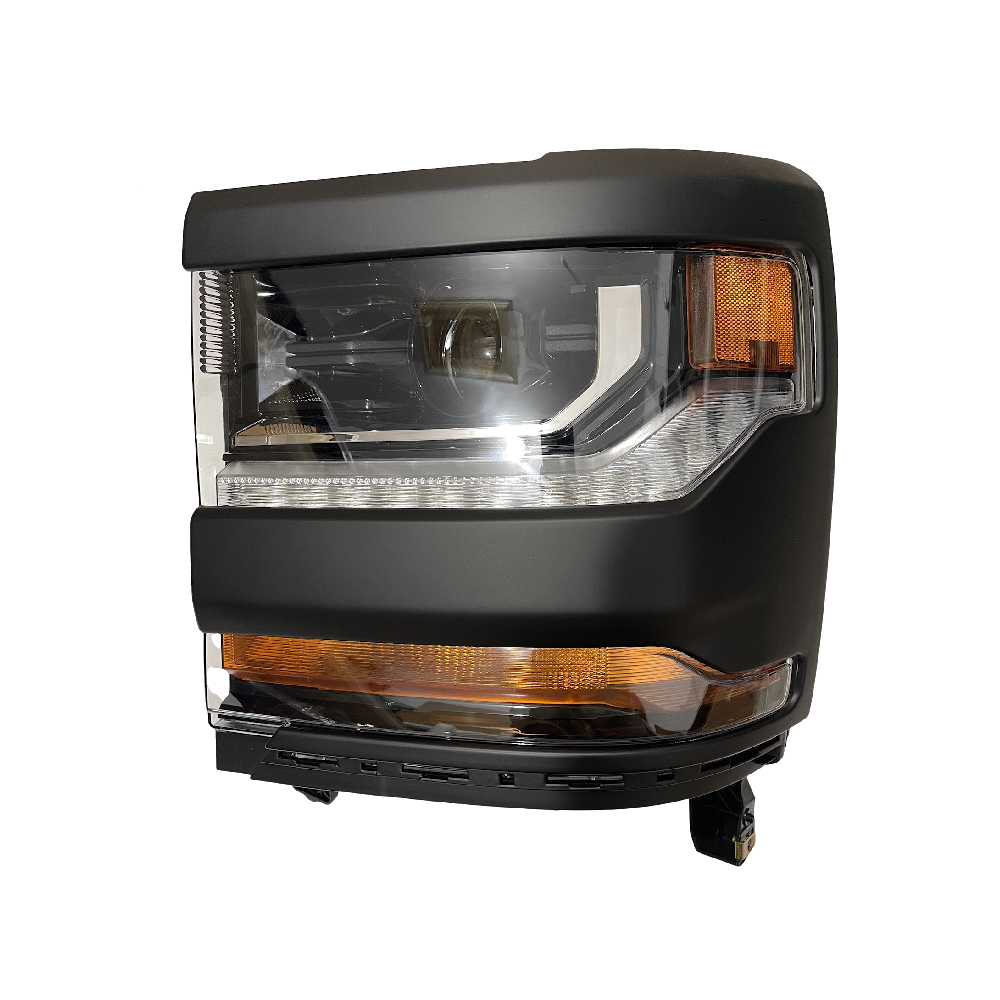
Choosing the correct repair methodology ensures your fix withstands highway speeds and vibrations. Two primary techniques dominate modern plastic repair. You can use two-part flexible epoxies or employ hot staple plastic welding.
Automotive-grade epoxy creates a strong chemical bond across the cracked surface. Manufacturers formulate these adhesives specifically for flexible plastics. They move and flex alongside the substrate.
Pros: This method is highly accessible for beginners. You need minimal specialized tools to execute it correctly. High-quality epoxies offer excellent gap-filling properties for uneven breaks.
Cons: These adhesives require long curing times. You must wait for chemical cross-linking to occur. Structural integrity also relies heavily on embedding reinforcing mesh behind the crack.
Best for: Choose epoxy for minor splits, hairline cracks, and primarily cosmetic fascia repairs.
Plastic welding relies on thermal energy rather than chemical adhesion. You use a specialized gun to melt stainless steel staples directly into the plastic. This creates an immediate mechanical bridge across the tear.
Pros: Welding instantly restores structural rigidity to the panel. It creates a permanent mechanical bond bridging the gap. You do not have to wait hours for curing.
Cons: You must purchase a dedicated plastic welding kit. Inexperienced users face a high risk of burning entirely through thin fascias. Overheating weakens the surrounding plastic.
Best for: Reserve welding for deep, structural cracks. It works exceptionally well on tears located on the lower valance or stress-heavy edges.
A durable repair relies entirely on having the correct supplies beforehand. Attempting a fix without proper chemistry leads to peeling filler and flaking paint. Gathering the right materials ensures your car bumper regains its original strength.
Organize your workspace and procure the following items before starting:
Preparation & Cleaning: Quality wax and grease remover (prep solvent) is non-negotiable. Gather several clean microfiber towels to wipe away contaminants.
Abrasives: You need a strict sandpaper progression. Buy 80-grit paper for initial shaping. Get 180-grit to 320-grit paper for smoothing the filler. You also need 600-grit or higher for final paint preparation.
Repair Compounds: Purchase a dual-cartridge flexible bumper adhesive. Buy a dedicated plastic adhesion promoter spray. Obtain automotive-grade fiberglass reinforcing tape.
Painting Supplies (if color-matching): Buy a high-build automotive primer. Source factory-matched base coat spray using your vehicle paint code. Get a true 2K clear coat aerosol for durability. Keep automotive masking tape nearby.
Safety Gear: Wear heavy-duty nitrile gloves. A rated organic vapor respirator is crucial. You must protect your lungs from 2K clear coat isocyanates and fine sanding dust. Always wear safety glasses when operating rotary tools.
Executing the repair demands patience and adherence to a strict sequence. Skipping steps or rushing curing times guarantees a failed bond. Follow this methodology to ensure a permanent structural restoration.
Step 1: Surface Decontamination and Access
You must remove the fascia from the vehicle. Leaving it attached limits your movement. Removal provides necessary access to the rear of the crack. You cannot reinforce the backside properly while the panel sits on the car. Once removed, place the panel on a stable workbench. Scrub the front and back thoroughly with a strong degreaser. Rinse it and follow up with wax and grease remover. This prevents you from pushing dirt or oils into the plastic pores during the sanding phase.
Step 2: V-Grooving the Crack
A tight crack offers zero surface area for adhesive to grip. You must open the wound. Use an abrasive rotary tool or 80-grit sandpaper to carve a shallow "V" channel directly along the front of the crack. Taper the edges smoothly into the surrounding plastic. Why: This drastically increases the surface area for the adhesive to bite into. It creates a pocket for the filler to sit flush beneath the final paint layer.
Step 3: Rear Reinforcement
Turn the panel over to expose the back of the crack. Scuff the surrounding area with 80-grit sandpaper. Clean the dust away entirely. Apply an even coat of adhesion promoter to the backside of the crack. Wait for it to flash off according to the label. Next, embed a strip of fiberglass mesh tape directly over the crack. Apply a thick, even layer of structural epoxy over the tape. Push the epoxy through the mesh to eliminate air pockets. Allow strict adherence to the manufacturer's specified curing time before flipping the panel over.
Step 4: Front Filling and Leveling
Return to the front side of the repair. Spray adhesion promoter into the V-groove you created earlier. Apply the flexible filler into the groove. Push it deep to force out trapped air. Overfill the channel slightly. You must account for chemical shrinkage as the epoxy cures. Once fully cured, grab a sanding block. Block-sand the area with 80-grit paper until it sits flush with the surrounding contour. Step up your abrasives gradually. Sand the area with 180-grit, then finish with 320-grit. This progression removes deep scratches and prepares the surface for primer.
Painting acts as the final hurdle in your restoration project. Many DIYers master the structural repair but struggle with the final finish. Understanding automotive paint behavior helps you achieve realistic and satisfying results.
The Reality of DIY Paint Matching: Setting expectations matters greatly here. Rattle-can factory paint matches offer great convenience. They will be close to your original color. However, they rarely look perfect. Your vehicle experiences daily UV fading. The surrounding panels likely shifted in hue over the years. A brand-new paint application will often look slightly brighter or richer than the aged adjacent panels.
Application Sequence: Follow a methodical approach to build your finish.
Clean the sanded bumper area with prep solvent one last time. Apply two to three light coats of sandable primer over the filler. Let it dry completely. Wet sand the primed area gently with 600-grit paper until perfectly smooth.
Apply three to four light coats of the base color. Keep your hand moving steadily. Blend the color slightly outward into the undamaged area. This gradient makes color discrepancies less noticeable to the human eye.
Apply a true 2K clear coat. This clear coat contains a hardener capsule you activate before spraying. It provides essential UV protection and superior chemical resistance against road salts and fuels.
Final Polish: Patience pays off during the final stage. The fresh clear coat may look slightly textured, often called "orange peel." Wait at least 48 hours for the clear coat to outgas and harden completely. Use a dual-action polisher and automotive rubbing compound on the blended area. Polish the section carefully to match the surrounding factory gloss.
Repairing a cracked fascia requires careful evaluation, the right chemical products, and methodical execution. You can restore your vehicle effectively by matching the repair technique to the specific damage type. Keep these final action steps in mind as you move forward.
Shortlisting Next Steps: If the crack is purely cosmetic, proceed confidently. Identify your vehicle's specific paint code located in the door jamb. Order a high-quality flexible epoxy kit and begin prepping your workspace.
Prioritize Safety: If the damage involves sensor zones, ADAS modules, or compromised internal mounts, stop immediately. Contact a certified collision center. Request a professional replacement quote to ensure ongoing road safety compliance.
Respect the Chemistry: Never rush epoxy curing times or clear coat outgassing. Allowing automotive chemicals to cross-link properly guarantees your repair survives daily driving conditions.
A: DIY materials typically range from $50 to $150, covering epoxy, sandpaper, and aerosol paints. A body shop repair or full replacement generally runs $500 to $1,500+. This professional cost fluctuates heavily depending on OEM parts pricing, labor rates, and complex paint blending requirements.
A: Yes, provided the surface was properly prepped with adhesion promoter. You must also ensure the epoxy was given the full 24 to 48 hours to cross-link and cure. Once fully cured, the chemical bond easily withstands high-pressure water and spinning brushes.
A: No. Standard body filler cures into a rigid state. It will crack and flake off the very first time the flexible plastic bumper vibrates or flexes over a bump. Always use specialized adhesive products specifically labeled for flexible automotive plastics.


