
Views: 0 Author: Site Editor Publish Time: 2026-06-14 Origin: Site


Driving behind clouded, oxidized lenses creates severe safety hazards. Reduced nighttime visibility significantly increases crash risks and often leads to failed vehicle safety inspections. You might notice your headlight beams scattering poorly or failing to illuminate the road ahead. Finding a reliable fix can feel overwhelming. Online forums praise cheap household hacks. Retailers push expensive chemical kits. Which method actually works? This article provides an evidence-backed framework. We will help you evaluate whether to attempt a DIY fix, hire a professional detailer, or replace the housings entirely. You will learn the exact steps needed for a verifiable repair. We also highlight when replacing your units with new car lights becomes your safest option.
Household hacks offer only temporary cosmetic fixes and do not address underlying UV damage.
A verifiable restoration requires progressive wet-sanding, compounding, and a dedicated UV-resistant clear coat.
Restoration is not permanent; severely degraded housings often dictate an upgrade to premium car lights for long-term safety and ROI.
Automakers manufacture modern headlight lenses from polycarbonate plastic. This material resists impacts effectively. It handles flying rocks and road debris without shattering. However, polycarbonate possesses a major vulnerability. It degrades under continuous ultraviolet radiation. Manufacturers apply a factory UV hard coat to mitigate this. Sunlight eventually breaks this protective layer down. The raw plastic underneath oxidizes and turns hazy yellow.
You must diagnose the damage correctly before spending money or effort. You need to differentiate between exterior oxidation and interior failure. Run your hand over the lens surface. Does it feel rough and gritty? You have exterior oxidation. You can restore this layer using abrasives. Does the lens feel perfectly smooth but still look milky? The damage exists inside the housing. Internal moisture indicates a broken seal. Deep micro-cracks inside the plastic indicate permanent structural failure. We call these micro-cracks crazing. Sanding the outside cannot fix interior crazing.
Diagnostic Guide for Headlight Damage | |||
Damage Type | Tactile Feel | Visual Symptoms | Required Action |
|---|---|---|---|
Exterior Oxidation | Rough, gritty, chalky | Yellowing, foggy surface, dull finish | Wet-sanding and UV restoration |
Interior Condensation | Smooth exterior | Water droplets, fog inside the lens | Housing replacement |
Polycarbonate Crazing | Smooth or slightly ridged | Spiderweb-like micro-cracks, deep fracturing | Housing replacement |
Industry benchmarks reveal startling facts about driver safety. Severely oxidized lenses reduce forward light output by up to 80%. This severe reduction limits driver reaction times dramatically. You lose crucial forward vision at highway speeds. Clouded lenses also scatter the remaining light unpredictably. This scattered beam blinds oncoming traffic while failing to illuminate your lane.
Avoid the sunk cost trap. Do not waste hours sanding cracked or internally compromised lenses. Attempting to polish deeply fractured plastic wastes time and materials. Assess the housing thoroughly first. If the damage penetrates deeply, restoration becomes impossible.
Many viral videos promote quick headlight fixes. Content creators claim common household items solve oxidation instantly. These claims mislead viewers. We need to evaluate these common myths and understand why they fail.
Toothpaste: Users rub it vigorously on the lens to remove yellowing.
WD-40: Users spray it onto the plastic and wipe it off for instant clarity.
Bug Spray: Users apply DEET-heavy repellents to melt the hazy surface layer.
You must understand the chemistry of failure to see through these tricks. Toothpaste contains mild abrasives intended for dental enamel. It removes surface grime and superficial chalkiness effectively. However, it does not remove the deeply degraded polycarbonate layer. It also leaves zero UV protection behind. The lens will yellow again within weeks.
WD-40 acts as a solvent and a penetrating lubricant. It fills microscopic scratches temporarily. The oil creates an illusion of optical clarity. It looks fantastic on camera. In reality, rain and routine car washes strip the oil away in days. You are left with the exact same oxidized lens.
Bug spray represents the most dangerous hack. Bug repellents contain DEET. DEET chemically melts polycarbonate plastic. It smooths the hazy surface by physically dissolving it. This weakens the structural integrity of the entire lens. It creates permanent chemical damage.
The trust factor always comes down to UV sealants. Failing to apply a new UV clear coat guarantees rapid re-oxidation. Bare polycarbonate turns yellow extremely fast when exposed to the sun. The oxidation often returns worse than before. You must rebuild the protective barrier. Trust verifiable automotive chemistry over viral social media hacks.
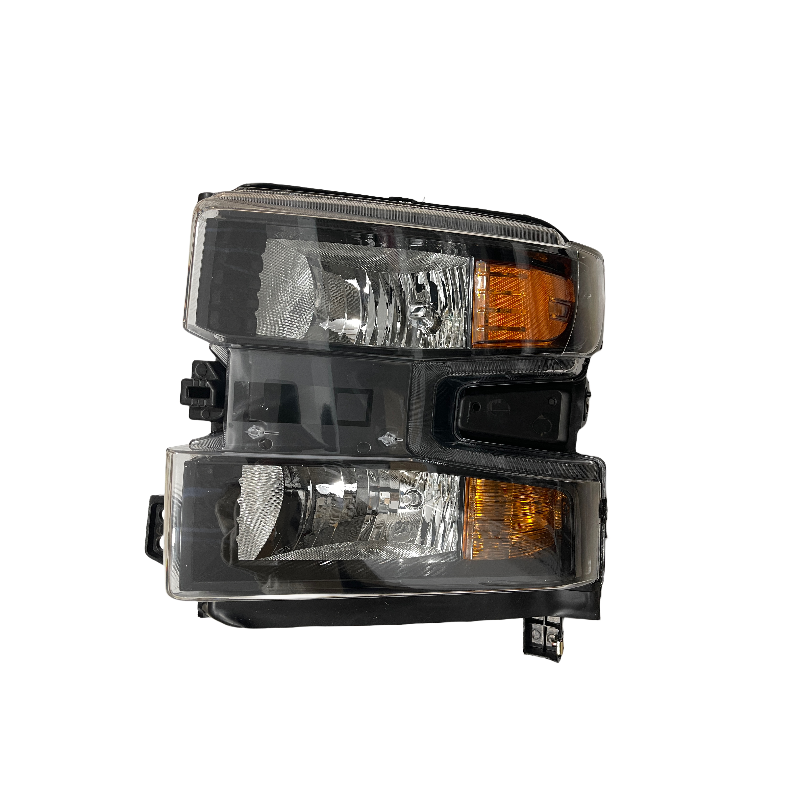
You must follow a standardized process for verifiable results. We need to set realistic expectations upfront. Proper restoration requires intense physical labor. It demands time, patience, and attention to detail. You also face a distinct margin for error. A slipping sanding block can easily ruin your surrounding fender paint. You must prepare adequately.
You need specific tools for this job. Gather these items before starting the restoration:
Automotive-grade masking tape (avoids leaving adhesive residue).
Progressive grit wet-sandpaper (800, 1000, 2000, and 3000 grit).
Heavy-duty automotive polishing compound.
Foam compounding pads and clean microfiber towels.
Automotive-grade UV clear coat or dedicated ceramic sealant.
A spray bottle filled with soapy water for lubrication.
Follow this step-by-step execution strictly to achieve optical clarity:
Step 1: Prep & Mask. Wash the headlights thoroughly to remove loose dirt. Apply two or three layers of masking tape around the housing edges. Tuck the tape carefully between the lens and the metal body panels. This critical step protects your vehicle paint from accidental abrasive damage.
Step 2: Wet Sanding. This forms the core requirement for removing oxidized layers. Spray soapy water generously onto the lens. Sand horizontally using 800-grit paper. Apply even pressure. Keep the surface wet constantly. You will see yellow runoff. Continue until the runoff turns white. Progress sequentially to 1000, 2000, and finally 3000 grit. Change your sanding direction with each grit level. Sand horizontally, then vertically. This cross-hatch method ensures you remove the previous grit's deeper scratches.
Step 3: Compounding & Polishing. The lens will look frosty and opaque after sanding. This is normal. Apply polishing compound to a foam pad. Buff the lens vigorously. You can use a dual-action machine polisher to speed this up. The optical clarity will return rapidly as you level the microscopic sanding marks. Wipe the lens clean using a microfiber towel.
Step 4: UV Sealing. Clean the polished lens using diluted isopropyl alcohol. This removes all polishing oils. Apply your UV clear coat evenly across the plastic. This step remains absolutely critical. It prevents immediate re-oxidation. Let the sealant cure completely according to the manufacturer instructions. Some sealants require direct sunlight to harden.
Car owners must choose between doing the work themselves and paying a professional. We can compare these solution categories to help you decide. Boxed abrasive kits dominate auto part store shelves. Professional detailing shops offer specialized, machine-driven restoration services.
We must evaluate these options across multiple dimensions. Cost and time represent the biggest factors. A DIY kit costs roughly $20 to $40. You will spend about two hours performing manual labor. A professional service costs between $100 and $150. You drop the car off and let someone else handle the effort. Longevity also varies wildly. Boxed kits use basic wipe-on chemical sealants. These typically last one to two years before fading. Professionals use heavy-duty UV curing lamps and commercial-grade ceramic coatings. A professional restoration may last up to three full years.
Comparison Chart: DIY Kits vs. Professional Restoration | ||
Evaluation Dimension | DIY Restoration Kits | Professional Detailing Services |
|---|---|---|
Average Cost | $20 - $40 | $100 - $150 |
Time Investment | 1.5 to 2.5 hours of manual labor | Zero manual labor (Drop-off service) |
Equipment Used | Hand sanding blocks, wipe-on sealants | Machine polishers, UV curing lamps, ceramic coats |
Expected Longevity | 1 to 2 years | Up to 3 years |
Use clear shortlisting logic to make your final decision. Choose the DIY route if saving money is your strict priority. You must also possess a high tolerance for physical labor and tedious sanding. Choose a professional service if you require guaranteed clarity. It remains the best choice if you want to avoid physical effort and potential paint damage.
You must identify the threshold where restoration provides diminishing returns. Sanding removes physical material from the lens. You can only polish a plastic lens so many times before it becomes dangerously thin. We must frame this decision stage carefully. At a certain point, attempting another repair wastes money. Upgrading makes more financial and practical sense.
Watch for clear indicators demanding immediate replacement. Broken factory seals allow water to pool inside the unit. Internal condensation ruins the light beam pattern completely. Bulbs generate intense heat. This heat eventually burns the internal chrome reflectors. Burned reflectors diminish light output permanently, regardless of how clear the outer lens looks. Repeated external yellowing signals total UV coat failure. Sanding cannot fix these underlying structural and thermal issues.
Calculate the scalability and ROI of your actions. Evaluate the cumulative cost of repeated restorations. Buying a restoration kit every year costs $40. You also spend two hours sweating in your driveway each time. Over five years, you spend $200 and ten hours of labor. A one-time replacement often costs less in the long run. Buying premium car lights eliminates this recurring maintenance loop entirely.
Consider the massive upgrade advantage. Transitioning to premium units fixes the clarity issue permanently. You gain significantly upgraded nighttime visibility instantly. Modern replacement units ensure precise beam pattern compliance. This keeps you safe during night driving and prevents you from blinding oncoming traffic. Upgraded housings also drastically improve your vehicle aesthetics. Faded lenses make a vehicle look old and neglected. Installing fresh, crystal-clear housings makes your car look years newer immediately.
Restoring automotive lenses serves as a viable, medium-term fix. It works exceptionally well if done correctly using proper abrasives and dedicated UV sealants. However, you must accept it is never a permanent cure. Sunlight will eventually degrade the unprotected plastic again. Assess your headlights today. Check for internal condensation, deep crazing, or severely burned reflectors. If the internal housing is compromised, put the sandpaper away. Evaluate direct-fit replacements to permanently resolve this critical safety hazard and protect your family on the road.
A: 1 to 3 years, heavily dependent on the quality of the UV sealant used and local sun exposure.
A: No, it temporarily lubricates the oxidized surface, creating an illusion of clarity that washes off in days.
A: Restoration is cheaper upfront, but replacing severely damaged units with premium alternatives offers a better long-term cost-to-safety ratio.


