
Views: 0 Author: Site Editor Publish Time: 2025-10-31 Origin: Site


Ever struggled to see the road clearly at night? Brighter car lights can significantly enhance night driving safety. They improve visibility, helping you spot obstacles and making your vehicle more noticeable to others. In this post, you'll learn effective methods to boost your car lights' brightness, ensuring safer journeys for you and other road users.
Proper car lighting plays a vital role in ensuring safety on the road. It helps drivers see the road ahead clearly during nighttime or poor weather conditions, such as fog or heavy rain. Bright, well-functioning headlights allow drivers to detect obstacles, pedestrians, and road signs in time to react appropriately. Moreover, good lighting makes your vehicle more visible to other drivers, reducing the risk of accidents.Car lights are designed not only to illuminate the road but also to signal your presence and intentions to others. For example, brake lights warn drivers behind you when you slow down, while turn signals indicate your direction changes. If these lights are dim or faulty, other road users may misinterpret your actions or fail to notice your vehicle altogether.
Faulty or dim car lights create serious safety hazards. When headlights are weak, your field of vision shrinks, increasing the chances of missing obstacles or hazards on the road. This can lead to collisions, especially on unlit roads or during adverse weather.Dim lights also make your vehicle less visible to others, raising the risk of being hit by other drivers or pedestrians. Additionally, improperly aligned headlights can blind oncoming traffic, causing temporary vision impairment and increasing accident risk.From a legal standpoint, driving with defective or insufficient lighting can lead to fines or penalties. Many countries have strict regulations requiring headlights and other vehicle lights to meet minimum brightness and alignment standards. Regular checks and maintenance help avoid these consequences and keep you and others safe.
The first step to making your car lights brighter is to visit a vehicle inspection station. Professionals there can check your headlights for any issues that might cause dim lighting. They inspect bulbs, wiring, and overall headlight condition. This helps identify problems you might miss, like aging bulbs or electrical faults.At the station, the technicians also measure the light intensity to ensure it meets safety standards. If your headlights are too dim, they will recommend the right solutions. Sometimes, a simple bulb replacement or cleaning is enough. Other times, more detailed repairs might be necessary.Getting a professional check-up ensures your car lights are not only bright but also safe and legal. It’s a quick way to improve visibility and avoid fines.
Proper headlight alignment is crucial for bright, effective lighting. Even new bulbs won’t help if your headlights point too high, too low, or sideways. Misaligned headlights reduce your view of the road and can blind other drivers.You can check alignment yourself by parking your car about 25 feet from a wall on a flat surface. Turn on the headlights and observe the light pattern on the wall. The cutoff line should be level and slightly lower than the height of the headlights. If the beam points too high, adjust it downward; if too low, raise it.Many cars have adjustment screws near the headlights for this purpose. However, if unsure, let a mechanic handle the alignment. Properly aimed headlights improve road visibility and reduce glare for oncoming traffic.
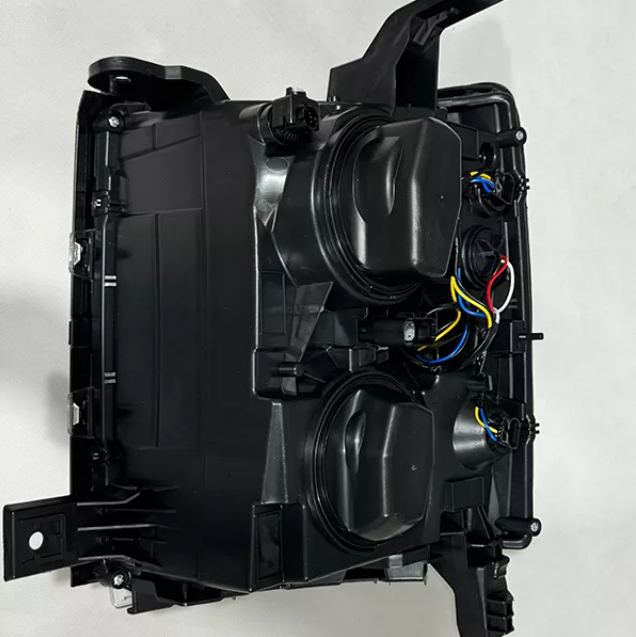
Over time, headlights can get dirty or cloudy, reducing their brightness and making it harder to see at night. Cleaning them regularly can restore much of their original shine. To clean your headlights effectively:
Use warm water, a sponge, and car shampoo or mild soap.
Gently scrub the headlight surface to remove dirt, grime, and bugs.
Rinse thoroughly and dry with a soft cloth.
For more stubborn haze or yellowing, try a headlight restoration kit. These kits usually include sandpaper, polishing compound, and a sealant. Follow the instructions carefully:
Wet sand the headlight lens with fine-grit sandpaper to remove oxidation.
Apply polishing compound using a microfiber cloth or buffer.
Rinse and dry the lens.
Apply a UV sealant to protect against future damage.
Avoid harsh chemicals or abrasive materials that can scratch or damage the lens. Regular cleaning keeps headlights clear and bright, improving your night driving safety.
Polishing headlights offers several advantages beyond simple cleaning:
Restores clarity: Polishing removes the yellowish haze caused by UV rays and environmental exposure, making lenses transparent again.
Increases brightness: Clear lenses allow more light to pass through, improving road illumination.
Extends headlight life: Removing oxidation and applying protective coatings prevents further damage.
Enhances vehicle appearance: Polished headlights look new, boosting your car’s overall look.
Cost-effective: Polishing is much cheaper than replacing headlights.
Well-maintained headlights improve your visibility and help other drivers see you better. This reduces accident risks and ensures safer driving conditions.
Upgrading your car’s bulbs is one of the most straightforward ways to brighten your headlights. However, picking the right bulbs is key. Most cars use halogen bulbs, but some have xenon or LED systems. Each type has different brightness levels, lifespans, and installation requirements.For halogen headlights, bulbs like the H4 or H7 X-tremeVision can increase brightness by up to 130% and extend the beam distance by about 45 meters. These bulbs have a smaller, hotter filament that directs light more efficiently onto the road. Keep in mind, though, brighter bulbs often have shorter lifespans due to the increased heat and pressure inside the bulb. It’s best to buy from reputable manufacturers to ensure quality and safety.Xenon bulbs produce a brighter, whiter light than halogen but require special ballasts and are usually more expensive. LED bulbs are gaining popularity for their efficiency and long life but are often designed for specific headlight systems.Before buying, check your vehicle’s manual or consult a professional to confirm the bulb type and wattage your car supports. Using bulbs not designed for your headlight housing can cause poor light distribution or damage.
While upgrading bulbs can improve visibility, it’s important to stay within legal limits. Many countries regulate the type, brightness, and color temperature of car lights. Using bulbs that are too bright or have an incorrect color can blind oncoming drivers and cause accidents.For example, in the European Union, halogen and xenon bulbs must meet specific ECE regulations, which define maximum light output and beam patterns. Installing bulbs that exceed these limits or using retrofit LED bulbs in non-LED housings is generally illegal.Unauthorized modifications can lead to fines, failed vehicle inspections, or insurance issues after accidents. Always verify local laws before changing your car’s lighting. When in doubt, seek advice from certified mechanics or lighting specialists.
Reflector regeneration is a process that restores the reflective surface inside your car’s headlight housing. Over time, this surface can become dull, scratched, or corroded due to heat, moisture, or age. When this happens, the reflector loses its ability to properly focus and direct light beams onto the road. As a result, your headlights appear dimmer even if the bulbs are in good condition.
The regeneration process involves cleaning, repairing, or re-coating the reflector to bring back its mirror-like finish. Specialists may use techniques such as:
Removing the headlight assembly from the vehicle.
Carefully stripping away damaged or oxidized layers.
Applying a new reflective coating using specialized materials.
Reassembling and sealing the headlight to prevent future damage.
This restoration improves how well the light is reflected and projected, increasing the overall brightness and clarity of your headlights.
Reflector regeneration is often a more affordable option compared to replacing the entire headlight assembly. New headlights, especially for modern cars, can be quite expensive due to complex designs and integrated technologies like LED or xenon systems.
By choosing regeneration, you can:
Save money on costly parts.
Avoid the hassle of full headlight replacement.
Extend the life of your existing headlights.
Achieve noticeable improvements in light output.
However, the cost and feasibility depend on the extent of damage and the type of reflector. Some reflectors may be too damaged or built in a way that regeneration is not possible, making replacement necessary.
Before proceeding, consult a trusted automotive lighting specialist to assess your headlights. They can recommend whether regeneration or replacement is the better choice based on your vehicle’s condition and budget.
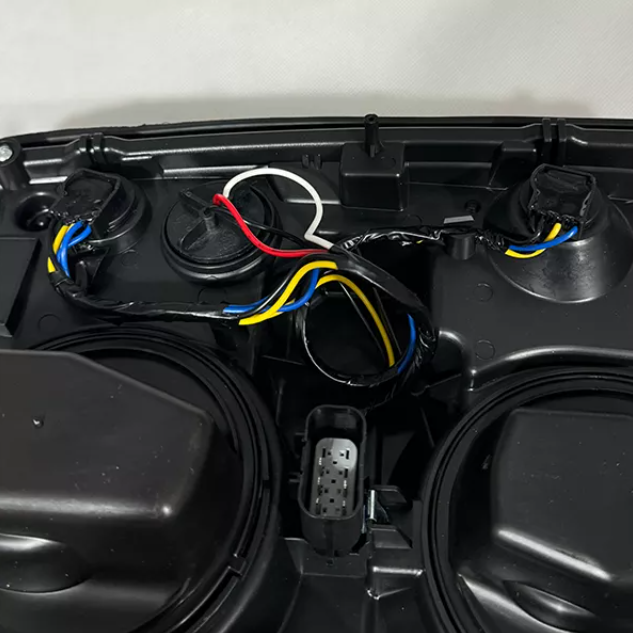
Installing LED lights in cars not originally designed for them is a common upgrade many drivers consider. LEDs offer benefits like longer lifespan, higher brightness, and lower energy consumption. However, legal regulations often restrict their use to maintain road safety.In many countries, including those in the European Union, vehicle lighting must comply with strict standards. These rules specify which types of bulbs are allowed for specific headlight housings. For example, cars designed for halogen or xenon bulbs usually cannot legally use retrofit LED bulbs unless the entire lighting system is certified for LED use.The reason behind these laws is that LED bulbs may produce different light patterns or intensities than the original design intended. This can cause improper beam focus, glare, and reduced visibility for other drivers. Regulatory bodies enforce these standards through vehicle inspections and roadside checks.Before installing LED lights, check local laws and vehicle manufacturer guidelines. Using approved LED headlamp units or OEM replacements designed for your car is the safest and legal approach.
Unauthorized LED modifications carry several risks beyond legal penalties. Using non-compliant LED bulbs can:
Create excessive glare: Improper beam patterns may blind oncoming drivers, increasing accident risk.
Reduce road visibility: Misaligned or poorly designed LEDs might illuminate less of the road, impairing driver vision.
Fail inspections: Vehicles with illegal lighting can fail safety checks, leading to fines or forced removal.
Void insurance coverage: Accidents involving modified lights may cause insurance claims to be denied.
Damage headlight assemblies: LEDs designed for different housings may overheat or cause electrical issues.
Moreover, some aftermarket LED kits lack quality control, increasing the chance of premature failure or electrical faults.
To avoid these problems, rely on lighting upgrades that comply with regulations and are installed by professionals. Always prioritize safety over aesthetic or performance gains that may come with illegal modifications.
Improving car lighting involves regular inspections, proper alignment, cleaning, and installing brighter bulbs. These practices enhance visibility and safety on the road. Reflector regeneration and legal compliance with LED installations are also crucial. Changzhou Jiasheng Vehicle Parts Co., Ltd. offers high-quality automotive lighting solutions that ensure optimal brightness and safety. Their products provide long-lasting performance, making them a valuable choice for drivers seeking better road illumination. Prioritizing these strategies leads to safer driving experiences and reduced accident risks.
A: To make your car lights brighter, consider cleaning and polishing the headlights, ensuring proper alignment, and installing brighter bulbs or lamps.
A: Dim car lights can be due to dirty or oxidized lenses, misalignment, aging bulbs, or electrical faults. Regular inspection and maintenance can help identify and resolve these issues.
A: Polishing car headlights restores clarity, increases brightness, extends headlight life, enhances vehicle appearance, and is cost-effective compared to replacement.
A: Yes, reflector regeneration is often more affordable than replacing the entire headlight assembly, offering noticeable improvements in light output.


