


If you have ever tried deciphering a body shop estimate after an accident, you know how frustrating it gets. Perhaps you are currently shopping for collision parts online to fix a weekend mishap. Either way, the term itself causes massive confusion for the average driver. Most vehicle owners think the painted, contoured plastic on the front of their ride is the actual protective unit. In reality, that smooth outer shell is just a cosmetic disguise. A true structural bumper hides beneath the surface, waiting to do the heavy lifting during a crash. Misunderstanding this crucial distinction leads buyers to order the completely wrong components. It also causes nasty surprises when the final repair bill arrives from the collision center. This guide will demystify the entire front and rear protection system. We will break down exactly how these interconnected components protect your vehicle during an impact. You will also learn a clear, actionable framework for evaluating repair versus replacement options. Knowing these technical details saves you time, prevents ordering mistakes, and keeps you safe on the highway.
The Terminology Gap: The visible, painted plastic on the front or rear of a vehicle is the bumper cover, not the actual structural bumper.
System Anatomy: A complete bumper system consists of an impact bar, an energy absorber, and a cosmetic cover.
Safety Over Aesthetics: The primary function of an automotive bumper is to absorb low-speed impact energy to protect the vehicle's structural integrity and passengers, not just to look good.
Replacement Complexity: Modern car bumpers house advanced driver-assistance systems (ADAS) sensors, making replacement a highly technical evaluation of OEM vs. aftermarket fitment and calibration requirements.
At its core, an automotive bumper is a vital structural safety feature. Manufacturers mount them directly to the front and rear of your vehicle chassis. Engineers design them specifically to absorb kinetic energy during minor collisions. They are engineered to mitigate the forces transferred to the occupants and the vehicle's core structure.
Decades ago, vehicles featured massive, exposed steel bars. You could clearly see the heavy, chrome-plated metal bolted to the exterior of classic muscle cars and sedans. During that era, the terminology was entirely literal. The part you saw was the exact part handling the blow. Today, automotive design priorities have shifted dramatically. Modern automakers integrate the protection seamlessly into the vehicle's bodywork. This design shift vastly improved vehicle aerodynamics and enhanced pedestrian safety. However, it also sparked widespread terminology confusion. People now point to the painted fascia and mistakenly assume it handles the physical impact.
Federal safety regulations govern these hidden components closely. Government organizations mandate specific low-speed impact standards. For example, safety regulations in the United States require passenger cars to withstand low-speed impacts without sustaining damage to safety-critical equipment. These rules ensure a minor fender bender does not destroy expensive, vital parts. A properly functioning safety structure shields your cooling system, radiator, exhaust pipes, and headlights. When it functions correctly, it willingly sacrifices itself to save your primary vehicle frame.
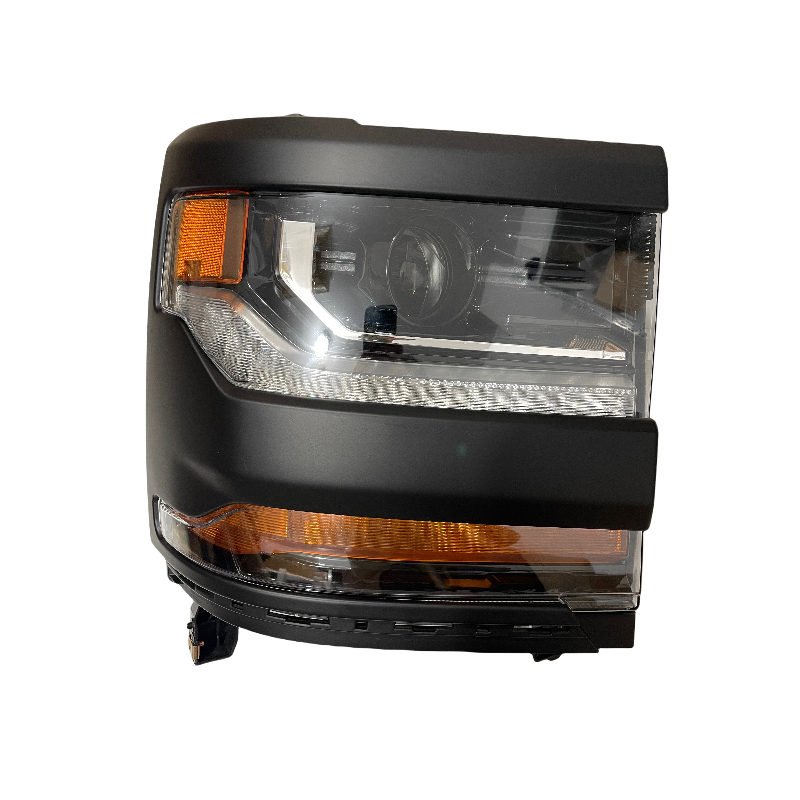
A modern collision protection system utilizes several distinct layers. You must differentiate these components clearly before ordering any parts for a repair. Understanding the complex anatomy prevents costly miscommunications with your mechanic.
This is the visible, painted outer layer you wash, wax, and polish. Automakers typically mold these covers from flexible polyurethane or rigid polycarbonate plastics. They serve three main purposes in modern vehicle architecture:
They optimize vehicle aerodynamics, allowing air to flow smoothly over the front end for better fuel efficiency.
They provide the primary aesthetic styling and brand identity for the vehicle.
They act as a housing unit for grilles, fog lights, and parking assist sensors.
The cover itself offers almost zero impact protection. It bends, flexes, or cracks easily by design.
Directly behind the painted cover sits the crucial energy absorber. This middle layer usually consists of high-density expanded polypropylene (EPP) foam or a crushable plastic egg-crate mesh. It plays an absolutely critical role in crash physics. During a low-speed impact, the absorber dissipates the incoming kinetic energy. It crushes inward upon itself, actively slowing down the transfer of force. This deliberate crushing action prevents the violent shockwave from reaching the rigid steel chassis.
This is the true structural core of the entire assembly. Mechanics bolt the impact bar directly to the vehicle's frame horns. Manufacturers build these robust bars using high-strength steel, lightweight aluminum, or advanced composite materials. Sometimes they utilize specialized mounting hardware, like a custom car bumper bracket, to ensure unyielding attachment to the frame. The impact bar acts as your absolute final line of defense. It stops heavy, penetrating forces from bending the chassis rails or injuring the passengers riding inside the cabin.
Many consumers fall into a highly predictable trap when browsing for parts online. You might misdiagnose a cracked front end after a minor parking lot bump. You hop online, order a cheap replacement part based on loose terminology, and eagerly wait for delivery. When a flimsy, unpainted piece of plastic arrives in a massive cardboard box, frustration sets in. You expected a fully assembled protective unit containing structural foam and metal. Instead, you received only the floppy cosmetic fascia.
This common mistake leads to wasted time, delayed vehicle repairs, and exorbitant return shipping fees. Freight shipping for large, bulky plastic panels often costs more than the part itself.
Reading a collision center estimate requires understanding this precise difference. A professional body shop itemizes every single layer independently. Consider a typical low-speed fender bender scenario:
The technician closely inspects the outer plastic shell for deep gouges or torn mounting holes.
They remove the damaged shell to assess the hidden structural components underneath.
They often discover the internal impact bar and foam absorber remain completely intact and functional.
The final estimate quotes a replacement cover, but specifies reusing the expensive structural metal underneath.
The financial implications vary wildly depending on what actually broke. A bare plastic cover might cost a few hundred dollars. Conversely, replacing a full front-end assembly featuring new steel bars, brackets, and foam runs exponentially higher. Knowing exactly what failed saves you from blindly overpaying for unnecessary parts.
When replacing collision components, you face a major financial choice. You must decide between OEM (Original Equipment Manufacturer) and aftermarket parts. Insurance companies frequently weigh in on this debate during the claims process. Both options offer distinct advantages and drawbacks. Use this evidence-based framework to make an informed purchasing decision.
OEM parts come directly from your vehicle's original maker. They offer the exact material composition and identical plastic thickness as the part installed on the assembly line.
Pros: Fitment is practically guaranteed to be flawless. Furthermore, pre-drilled holes align perfectly with sensitive factory ADAS (Advanced Driver Assistance Systems) sensors. You will not struggle with misaligned panel gaps.
Cons: You will pay premium pricing for the brand name. Sometimes, procurement takes considerably longer due to global supply chain backlogs at local dealerships.
Third-party companies manufacture aftermarket parts independent of the automaker. They reverse-engineer the designs to mimic factory specifications at a noticeably lower price point.
Pros: They are highly cost-effective and widely available from local auto body supply distributors.
Cons: Material flexibility varies significantly among manufacturers. Cheaper plastics prove highly prone to cracking in cold weather. You might also notice frustrating micro-gaps in the panel alignment where the cover meets the fender.
If you choose the aftermarket route, always look specifically for CAPA (Certified Automotive Parts Association) certification. CAPA tests replacement parts rigorously against strict benchmarks. Their yellow seal ensures the component meets high safety, material, and fitment standards.
Below is a comprehensive comparison chart summarizing the differences:
Feature Profile | OEM Parts | CAPA Certified Aftermarket | Standard Aftermarket |
|---|---|---|---|
Fitment & Alignment | Perfect factory alignment | Excellent, rigorously tested fit | Variable, potential panel gaps |
Sensor Compatibility | Exact factory specification | Highly compatible with most ADAS | May require physical modification |
Material Quality | Optimal flexibility & thickness | Matches OEM safety benchmarks | Often thinner, rigid plastics |
Cost Level | Premium pricing | Moderate pricing | Lowest initial cost |
Deciding whether to repair or replace a damaged front end causes headaches for vehicle owners. Sometimes a simple repair makes perfect financial sense. Other times, safety parameters dictate a full structural replacement. Use this logical checklist to determine your best next steps.
You can often save substantial money by repairing minor surface damage. Professional body shops routinely fix small aesthetic imperfections without replacing any parts entirely.
Look for minor scuffs, localized paint transfers, or shallow clear-coat scratches on the fascia.
Assess small dents or creases in the plastic. Experienced technicians reshape these easily using industrial heat tools and specialized fillers.
The outcome here is ideal. You enjoy a significantly lower overall repair cost. Plus, you maintain the original, factory-sprayed paint match on your vehicle.
Sometimes the severity of the damage compromises your structural safety. In these high-risk scenarios, replacement becomes absolutely mandatory.
Inspect the plastic cover for deep, spider-webbing cracks. Torn mounting tabs or structural punctures ruin plastic integrity forever.
Check the internal energy absorber foam. If the foam is crushed, compressed, or fractured, it will not rebound. It acts strictly as a one-time-use item.
Examine the heavy steel impact bar. If it is bent, kinked, or structurally compromised, your chassis remains completely unprotected for the next impact.
Modern vehicles pack tremendous technological sophistication behind the plastic fascia. You must watch out for hidden damage to parking sensors, blind-spot monitors, and radar cruise control modules. Lane-departure hardware often sits directly behind the painted shell.
If a collision damages these sensitive electronic components, simple physical plastic repairs fall drastically short. You must replace the broken hardware outright. Subsequently, mandatory software calibration ensures the safety systems function accurately. Skipping this precise calibration process leads to automated braking failures and highly dangerous highway scenarios.
In summary, a true automotive safety system is multi-layered and highly complex. It is never just a simple cosmetic plastic accessory. The visible painted fascia, the hidden crushable foam absorber, and the heavy metal impact bar work together in unison. They sacrifice themselves efficiently to protect your chassis and your passengers from serious harm.
Take immediate, calculated action if you experience even a minor collision. Visually inspect beneath the plastic cover for hidden structural damage using a flashlight. Do not assume a small scratch is purely cosmetic. Consult a trusted, certified body shop for a thorough under-the-cover assessment. Finally, always double-check your part numbers and terminology before ordering replacement pieces online. Verify whether you are buying just the flimsy cover or the heavy-duty impact bar.
A: Legality varies by jurisdiction. Most states require visible license plates and functional turn signals. If a missing cover removes your lights, you cannot drive legally. From a safety perspective, driving exposes the structural impact bar. It also compromises aerodynamic efficiency and removes crucial weather protection for sensitive electronic wiring.
A: Costs span a wide range depending on the damage. A DIY unpainted plastic cover replacement runs between $200 and $500. Conversely, a full professional assembly replacement costs much more. If it includes paint matching, new structural bars, and ADAS sensor calibration, expect to pay between $1,000 and $2,500+.
A: No, most new OEM and aftermarket covers arrive "primed" or raw. They appear as black or gray plastic. Paint-to-match services do exist online. However, they require precise factory color codes. Pre-painted parts carry risks of slight color variance due to normal UV fading on the rest of your vehicle.


