
Views: 0 Author: Site Editor Publish Time: 2026-06-22 Origin: Site


Discovering a dangling panel on your vehicle after a minor collision causes instant stress. A rogue pothole or sudden parking mishap often leaves you wondering what to do next. You might ask if you can simply drive away or if you need an immediate tow. We must understand one core premise right away. A modern automotive bumper is not merely a cosmetic plastic cover designed for aesthetics. It actually houses critical safety components and heavy-duty absorbers. These hidden elements protect you during a severe crash. Ignoring structural looseness puts both you and other drivers in serious danger. This article provides a realistic framework for evaluating your vehicle safely. You will learn how to identify dangerous structural damage quickly. We will help you decide if your car is safe to drive locally, requires an immediate transit securement, or demands professional towing and repair.
Immediate Safety: Driving with a heavily detached bumper is highly dangerous; aerodynamic drag at higher speeds can rip it off entirely, endangering other drivers.
Hidden Damage: A visibly loose cover often indicates compromised structural mounts, impact bars, or misaligned ADAS (Advanced Driver Assistance Systems) sensors.
Legal Compliance: Law enforcement can cite drivers for operating an unsafe vehicle if the car bumper is dragging, obscuring the license plate, or missing functional lights.
Temporary vs. Permanent: DIY fixes (like zip ties) are strictly short-term measures meant only to safely transport the vehicle to an auto body shop.
Everyday driving presents constant hazards to low-hanging vehicle parts. Steep driveways, concrete parking blocks, and massive potholes strike front fascias relentlessly. When an accident occurs, panic often clouds your judgment. You need a reliable evaluation framework before turning the key. We define specific physical criteria for assessing a loose car bumper properly. Evaluating the physical state of your vehicle dictates your next move safely.
Sometimes, damage looks worse than reality. You might spot broken clips on just one side. The plastic panel shifts slightly to the touch. However, it remains firmly attached at the primary mounting points near the headlights and fenders. Most importantly, you hear absolutely no scraping sounds. The plastic does not touch the tires or drag on the ground. In these specific cases, cautious local driving is usually permissible. You must keep your speeds low and avoid harsh road conditions.
Severe cases demand immediate grounding. You must not drive if the cover sags below your vehicle's standard clearance line. Plastic or metal components rubbing against the wheels present an immediate blowout hazard. Look closely for exposed wiring harnesses. Dangling parking sensors or damaged fog light cables indicate severe internal disruption. Operating the car under these dangerous conditions invites disaster. You risk destroying your tires, severing electrical lines, and causing secondary accidents.
We recommend a safe, static physical check before driving. This physical gauge tests your vehicle's wind resistance vulnerability.
Park the vehicle on a flat, safe surface away from moving traffic.
Turn off the engine completely and apply the parking brake.
Press gently against the center of the fascia using an open palm.
Move to the corners and apply light pressure inward and downward.
Observe the movement carefully. If the panel yields more than an inch, do not drive.
If the cover feels completely detached from the frame, highway wind will easily catch this gap. A failed push test means you need a tow.
Many drivers underestimate the sheer physics of driving. They assume a cracked plastic shell only affects vehicle aesthetics. The truth is far more dangerous. Automotive engineers spend thousands of hours in wind tunnels smoothing out air resistance. A compromised exterior disrupts this careful engineering.
Highway speeds change everything. Driving at 60 mph forces massive volumes of air directly behind a loose panel. This trapped air creates an intense parachute effect. It multiplies the physical stress on any remaining intact clips. These small plastic fasteners cannot handle hundreds of pounds of continuous drag force. Eventually, catastrophic failure occurs. The wind can rip the entire assembly off the vehicle instantly. This turns your vehicle part into a deadly, high-speed projectile for drivers behind you. You never want to be responsible for highway debris.
Modern vehicle fascias act as complex technological hubs. They house ultrasonic parking sensors inside the plastic shell. They protect delicate radar units for adaptive cruise control. They even conceal front-impact airbag deployment modules. A severe bump disrupts this delicate ecosystem instantly. Even a slight angle shift causes systemic failures. Misaligned radar units can trigger false emergency braking on an open highway. Your blind-spot monitors might fail to detect passing trucks. Driving a technologically impaired vehicle severely compromises your safety margin. The computers rely entirely on perfectly aligned sensors.
Ignoring body damage carries heavy legal consequences. Traffic code compliance requires all vehicles to be fundamentally roadworthy. Law enforcement officers frequently issue "fix-it" tickets for dangling parts. They can cite you for operating an unsafe vehicle if lights are obscured. Furthermore, you face severe liability risks. Imagine your bumper detaches completely on the freeway. It strikes another vehicle and causes a multi-car pileup. Your insurance might deny the claim due to willful negligence. You become entirely liable for all resulting property damage and personal injuries.
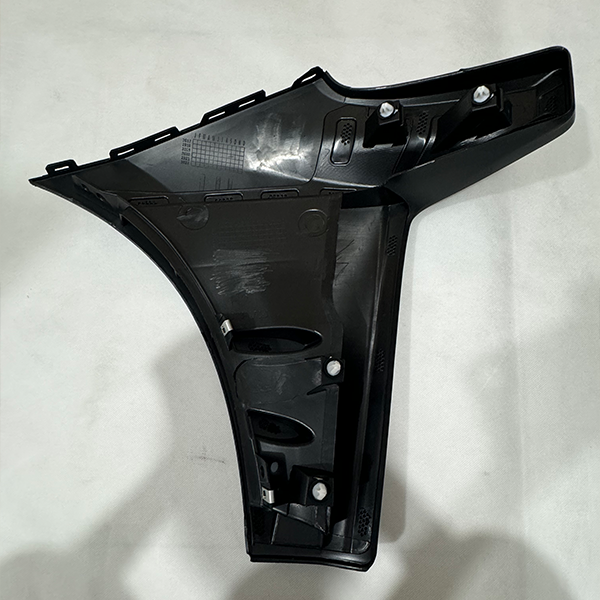
After an impact, you might feel tempted to try a quick fix. Online car communities often suggest improvised repairs to get home safely. We must examine the harsh reality of these "Band-Aid" fixes. They rarely perform as well as people claim.
People often grab whatever they have in the trunk or garage. Zip ties, heavy-duty duct tape, and bungee cords are popular choices. These items might seem helpful during a roadside emergency. However, they introduce entirely new risks if used incorrectly. You must understand their limitations before applying them to your vehicle.
Securing the panel using heavy-duty cable ties is strictly a transit strategy. You use this method only to limp the vehicle to a nearby collision center. You must keep your speeds extremely low. Avoid highways entirely. Drive carefully through local side streets. This is never a permanent solution. It simply prevents the plastic from dragging on the asphalt during a short trip.
Every temporary method carries notable drawbacks that you must consider.
Duct Tape: Tape leaves severe adhesive residue behind. This ruins expensive clear coats and damages surrounding healthy paint. It also loses grip instantly when wet.
Bungee Cords: Elastic cords snap easily under continuous wind tension. A snapping metal hook can shatter headlights or injure bystanders severely.
Zip Ties: Ties require solid anchor points. Improperly drilled holes destroy otherwise repairable panels. You might ruin a piece trying to save it. Furthermore, tying plastic to a hot radiator causes immediate melting and fire hazards.
Temporary stabilization does not equal roadworthiness. You apply these methods solely to prevent highway debris during a short tow or slow transit. Once you reach the shop, the temporary materials must be removed. Never rely on tape or plastic ties for daily commuting.
Understanding the professional repair process empowers you as a consumer. You need to know what collision centers actually evaluate when you drop off your vehicle. Shop technicians follow strict industry standards. Here are the main solution categories you will encounter.
Many low-speed impacts cause minor displacements. The plastic tabs might remain entirely intact. However, the fragile retaining clips shear off instantly upon impact. In these situations, technicians just replace the broken hardware. You might need a specific bumper bracket to restore the factory alignment perfectly. This is often the cheapest and fastest repair scenario. It requires no painting or extensive labor.
A direct hit often causes localized cracks. Plastic materials deform severely under pressure. Skilled technicians utilize specialized heat guns and plastic welding tools. They melt matching polymer rods directly into the cracks. They reshape deformations back to exact factory contours. This process saves the original panel from ending up in a landfill. After reshaping, they sand, prime, and repaint the area to match your car perfectly.
A collision shop addresses the real business problem lurking underneath. Modern vehicles utilize rigid steel crash bars and thick foam absorbers. These hidden elements dictate your crash safety. A minor parking lot bump can crush the foam absorber completely. If you experience a second impact later, your vehicle offers zero protection. Technicians strip away the plastic cover to inspect these crucial impact bars. They replace compromised metal to ensure you survive the next accident.
Professional repair always includes OEM-compliant recalibration. Any impact jarring the front end disrupts delicate electronics. Technicians hook the vehicle up to advanced diagnostic computers. They use laser-guided targets to align the radar and cameras accurately. A DIY driveway mechanic simply cannot replicate this step. Skipping recalibration disables your emergency braking systems silently, creating a massive safety blind spot.
We developed a shortlisting logic to help you make immediate decisions. Use this matrix to protect your vehicle and your wallet. Evaluate your specific situation against these three common scenarios carefully.
Your panel is slightly unclipped at the corner. You see absolutely no hanging parts dragging underneath. You notice no sensor warnings illuminating on the dashboard. The plastic feels rigid during the push test.
Action: Keep your speeds strictly under 30 mph. Turn on your hazard lights if necessary. Drive directly to a local auto body shop. Avoid rough roads and deep potholes during transit.
The panel is noticeably loose and shakes when touched. However, you can firmly zip-tie it to a stable frame point. You ensure the plastic stays far away from moving tires and hot exhaust pipes. You have no fluid leaks.
Action: Perform your temporary securement carefully. Verify the ties hold firmly. Drive cautiously to the shop using secondary roads. Listen closely for any new scraping noises.
The plastic drags directly on the ground. You hear aggressive tire interference or rubbing. You spot visible structural metal damage behind the plastic. You see leaking radiator fluids. Your airbags deployed during the impact.
Action: Pull over safely immediately. Turn off the engine. Call a professional tow truck. Do not attempt to drive the vehicle under any circumstances.
Damage Observation | Dash Warnings | Recommended Action | Max Safe Speed |
|---|---|---|---|
Minor clip break, no dragging | None | Drive Directly to Shop | 30 mph |
Noticeable looseness, secureable | None | Secure & Drive Cautiously | 20 mph |
Dragging, tire rubbing, fluid leaks | Active Alerts | Tow Immediately | 0 mph (Do not drive) |
We must draw a strict distinction between a cosmetic annoyance and a genuine driving hazard. A scratched panel ruins your day, but a detached fascia threatens lives. You now understand how aerodynamic drag forces escalate minor damage into total failure. We explored the severe risks of misaligned safety sensors and crushed impact bars. Reiterate this important fact in your mind: ignoring a loose panel heavily compromises vehicle safety. It also invites strict legal penalties and immense liability risks.
For your next steps, we strongly encourage you to schedule a professional inspection immediately. You need an expert to assess hidden structural damage properly. Request detailed repair quotes from certified auto body technicians. Do not rely on tape or plastic ties for long-term use. Protect yourself, your passengers, and your fellow drivers by handling auto body damage responsibly.
A: Yes, wind resistance at highway speeds can easily rip off a poorly secured bumper cover. Air gets trapped behind the loose plastic, creating a parachute effect. This force quickly snaps remaining clips, turning the panel into dangerous road debris.
A: It varies by jurisdiction, but generally yes. If it presents a road hazard, obscures your license plate, or lacks working headlights and turn signals, law enforcement can pull you over. They frequently issue citations for operating an unsafe vehicle.
A: It depends on the cause. If you hit another car or a pole, collision coverage applies. If road debris or an animal caused the damage, comprehensive coverage applies. You must pay your deductible first. Minor clip repairs often cost less than the deductible.
A: Costs vary widely. A minor clip or bracket replacement might cost $50 to $150. However, if you need a full panel replacement, color-matched painting, and ADAS sensor recalibration, the bill can easily exceed $1,000 at a certified collision center.


