
Views: 0 Author: Site Editor Publish Time: 2026-06-25 Origin: Site


Bumper damage remains incredibly stressful for any driver. You bump a hidden curb or return to find your parked vehicle dented. Suddenly, you face a frustrating repair journey. Online cost estimates often feel intentionally vague or completely contradictory.
Many drivers assume a quick fix is cheap. They picture snapping a new piece of painted plastic onto the frame. The reality proves quite different today. Modern fascias act as complex technological assemblies rather than simple cosmetic shields. They house critical safety sensors, intricate wiring harnesses, and structural impact absorbers.
This guide provides a transparent, evidence-based breakdown of replacement costs. We outline the hidden variables driving up your final bill. You will also learn a clear framework for deciding your next steps. By the end, you will know exactly whether to pay out-of-pocket or file an insurance claim.
Average Range: A complete car bumper replacement typically costs between $800 and $2,000+, heavily dependent on vehicle make and integrated technology.
The "Hidden" Costs: Advanced Driver Assistance Systems (ADAS) calibration and structural foam replacement often account for 30% or more of the final invoice.
Repair vs. Replace Threshold: If a bumper cover has structural cracks, torn mounting tabs, or compromised sensor mounts, replacement is an operational safety requirement, not a cosmetic choice.
Insurance Logic: Only file a claim if the total repair cost significantly exceeds your deductible ($500-$1,000) and justifies the risk of increased future premiums.
Drivers need to understand exactly what they pay for. This knowledge helps you evaluate collision center quotes objectively. Repair shops itemize their estimates using standard industry software. If you examine a quote closely, you will notice charges split into three main categories. These include parts, paint supplies, and professional labor.
The visible cosmetic plastic cover represents only step one. Prices for this outer shell vary wildly. You must choose between Original Equipment Manufacturer (OEM) parts or aftermarket alternatives. An OEM automotive bumper guarantees perfect fitment. It matches the exact dimensions required by the factory. OEM covers usually cost between $300 and $800+. Luxury vehicles command even higher prices.
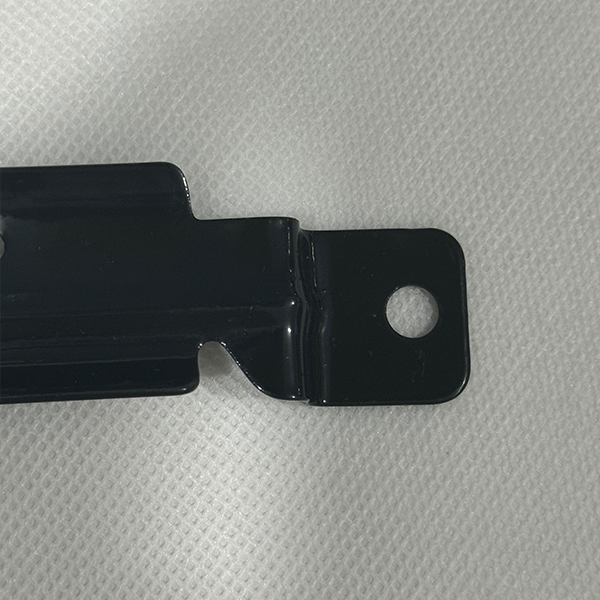
Aftermarket covers often run $200 to $400. However, the outer cover rarely breaks alone during an impact. You must factor in hidden sub-components. Impact energy transfers deeply into the vehicle. You often need to replace energy absorbers, lower grilles, and fog light bezels. Furthermore, internal hardware such as a sturdy car bumper bracket must remain perfectly straight. Bent brackets prevent the new cover from aligning correctly.
Body shops rarely buy pre-painted parts. Manufacturers ship them as raw, black plastic. Technicians perform highly labor-intensive prep work before painting. They clean the surface thoroughly. They sand the raw plastic to create a textured grip. They apply specialized flex-primers to prevent future peeling.
Next comes the color-matched base coat. The process finishes using a durable, protective clear coat. Materials and labor for this stage range from $200 to $600. Color-matching faded paint complicates the process. Sunlight alters factory paint over time. Painters must blend new colors expertly. Specialized finishes like metallic flakes or pearl tri-coats require extra spraying steps, increasing the final cost.
Standard hourly rates dictate your final expense. Collision centers typically charge $100 to $250 per hour. Technicians perform the initial teardown first. They carefully remove broken clips and disconnected wiring. Next, they ensure structural alignment. Finally, they meticulously reassemble every piece to factory specifications.
Expense Category | Low-End Estimate | High-End Estimate | Key Pricing Variables |
|---|---|---|---|
Outer Cover Part | $200 | $800+ | Aftermarket vs. OEM, Vehicle Brand |
Internal Hardware | $50 | $300+ | Broken brackets, crushed foam absorbers |
Paint & Materials | $200 | $600+ | Standard colors vs. Pearl/Metallic finishes |
Teardown & Assembly Labor | $150 | $500+ | Shop hourly rate, vehicle complexity |
Sensor Calibration | $200 | $500+ | Number of ADAS systems, static vs. dynamic testing |
Consumers need a reliable decision framework. This protects you from unnecessary upsells while ensuring vehicle safety. Sometimes, a full replacement wastes money. Other times, attempting a cheap repair creates severe driving hazards.
Minor damage often qualifies for simple repairs. This saves you hundreds of dollars. You can usually repair surface-level scratches. Minor paint transfer from another vehicle buffs out easily. Technicians treat shallow dents using targeted heat.
Collision experts frequently employ Paintless Dent Repair (PDR). They use specialized heat guns to warm the plastic. They then massage the indentation from behind. The plastic simply pops back into its original molded shape. Isolated plastic welding offers another solution. Technicians use nitrogen welders to fuse tiny hairline fractures back together. These methods keep your original factory parts intact.
Severe impacts compromise structural integrity entirely. You must authorize a full replacement under certain conditions. Consider the following scenarios non-negotiable:
Deep Structural Cracks: Large splits ruin the plastic's ability to flex. A cracked panel offers zero protection during a secondary impact.
Torn Mounting Tabs: These hidden clips secure the panel to the car's frame. Broken tabs mean the assembly cannot bolt securely. Highway wind resistance can rip a loose panel completely off your vehicle.
Sensor Mounting Deformation: Impacts often warp the plastic holes housing your parking sensors. If the plastic twists, the sensor points in the wrong direction. This causes false safety alarms.
In these specific cases, replacement ensures your operational safety. It ceases to be a mere cosmetic choice.
Drivers routinely experience extreme sticker shock today. They remember replacing a metal panel for $400 twenty years ago. Modern vehicles feature advanced technology hidden directly behind the plastic. Industry professionals call this inevitable expense the "tech tax."
Advanced Driver Assistance Systems (ADAS) complicate everything. Your vehicle relies on these hidden components daily. Ultrasonic parking sensors look like small circles in the plastic. Lane-departure radars sit directly behind the corners. Backup cameras integrate seamlessly into the rear assembly.
A mechanic cannot just yank the plastic off anymore. They must carefully disconnect delicate wiring harnesses. One broken wire requires an entirely new electronic harness. This easily adds hundreds of dollars to the final bill.
Post-installation calibration remains mandatory. You cannot simply plug sensors back into a new panel. The vehicle computer needs resetting. The sensors require exact millimeter-level alignment to function correctly. If a radar points slightly downward, your automatic braking system might trigger unnecessarily.
Shops perform either static or dynamic calibration. Static calibration involves placing large geometric targets around the stationary vehicle. Dynamic calibration requires driving the car at specific speeds on straight roads. Both methods require specialized diagnostic software. Dealerships and certified shops charge premium rates for this process. It routinely adds $200 to $500+ to your invoice.
Do not forget the underlying safety mechanisms. Manufacturers place dense foam impact absorbers beneath the cosmetic cover. They sit between the plastic and the metal crash bar. They crush intentionally during low-speed impacts. This action dissipates kinetic energy safely. It protects vehicle occupants from sudden whiplash.
Once crushed, this foam loses all protective value. It never expands back. You must replace it to maintain your vehicle's factory crash safety ratings. Ignoring this component puts your family at risk.
Filing an insurance claim involves careful financial evaluation. You need a clear break-even analysis. Simply carrying insurance does not mean you should always use it. Minor collisions require strategic thinking.
Let us examine the basic deductible math. Assume a repair shop quotes you $1,200 for a total replacement. If your collision deductible is $1,000, filing a claim makes zero financial sense. Your insurance provider only pays $200. You still pay $1,000 directly to the shop. For a mere $200 benefit, you invite long-term financial penalties.
Consider the long-term premium increases. Historical insurance data shows a harsh reality. At-fault collision claims almost always spike your monthly rates. Your provider recalculates your risk profile immediately.
Imagine your premium increases by $50 per month after a claim. You pay an extra $600 annually. Over three years, that minor accident costs you $1,800 in rate hikes. Paying the initial $1,200 out-of-pocket saves you money long-term. You keep your pristine driving record intact.
You must factor in vehicle history reports. Insurance companies report all approved claims to national databases. Services like Carfax pull these records instantly. A "minor accident" flag appears permanently on your vehicle history.
This reported damage diminishes your future trade-in value. Dealerships lower their purchase offers when they see accident history. Paying cash at an independent body shop sometimes avoids these database reports. You effectively protect your vehicle's clean title history and maximize future resale value.
Budget-conscious drivers frequently explore alternative repair routes. Online video tutorials make the process look deceptively simple. You must weigh the budget-friendly DIY approach against hiring certified collision centers carefully.
The DIY approach offers undeniable upfront savings. You skip the heavy $150 hourly labor rates entirely. Many websites sell pre-painted aftermarket covers shipped directly to your door. You only need basic hand tools to unbolt the old piece.
However, DIY carries serious risks. Novices routinely face panel gap misalignment. Getting the edges to sit perfectly flush against the fenders requires experience. Furthermore, pre-painted parts often blend poorly. Factory paint fades under natural UV light. A brand-new painted part will look distinctly brighter than your older hood.
Most importantly, home mechanics cannot perform ADAS calibration. You might attach the cover successfully. Yet, your dashboard will light up with warning indicators. This leaves critical safety systems completely disabled on the highway.
Partnering with a professional shop mitigates these heavy risks. Legitimate businesses provide specific guarantees. Keep these professional standards in mind:
Line-Item Transparency: A reputable shop lists every single clip, screw, and hour of labor. They never hand you a vague lump-sum invoice.
Paintwork Warranties: Professional facilities offer lifetime warranties on their clear coats. They guarantee the paint will never bubble, peel, or fade prematurely.
I-CAR Certified Technicians: Look for the industry-standard I-CAR Gold Class certification. These technicians undergo rigorous continuous training. They know exactly how to handle advanced sensors safely.
Replacing a modern exterior vehicle panel is rarely a simple task. Final replacement costs remain dictated by integrated technology, specialized paint requirements, and skilled labor. You are paying for a highly technical reassembly, not just a slab of molded plastic.
Remember, visually minor damage tricks you easily. A tiny exterior scrape frequently hides crushed impact absorbers or severely misaligned safety radars. You should never ignore underlying structural vulnerabilities to save a few dollars today.
Stop guessing your total liability using vague online price ranges. Take decisive action to ensure your vehicle remains safe. Book a professional teardown and inspection with a certified collision repair center. They will expose the hidden damage. You will receive a precise, binding estimate tailored specifically to your exact situation.
A: Rear bumpers are generally cheaper to replace. Front bumpers act as complex aerodynamic and technological hubs. They typically house expensive components like intricate grilles, headlight washers, active aero shutters, and forward-facing collision radar systems. Rear panels mostly contain basic parking sensors, making labor and parts less costly.
A: The total process usually takes three to five days. Shops spend one to three days ordering and receiving the exact parts. The physical teardown, paint application, and clear coat curing take another one to two days. Finally, technicians need a few hours for post-repair sensor calibration.
A: Driving with severe damage poses major safety and legal risks. Loose plastic pieces can detach at highway speeds, endangering other drivers. Exposed metal creates sharp hazards for pedestrians. Furthermore, a deformed fascia often disables your airbag sensors and automatic braking systems completely.
A: It depends entirely on the crack's depth. Shallow paint cracks require simple refinishing. However, a crack penetrating the structural plastic ruins the component's physical integrity. A compromised panel cannot absorb kinetic energy during a second crash, making full replacement a mandatory safety requirement.


