
Views: 0 Author: Site Editor Publish Time: 2026-06-22 Origin: Site


After a minor fender bender, you face an immediate operational dilemma. You must balance the cost of prompt repair against the risks of traffic citations, secondary liability, and unexpected safety failures. Deciding what to do next is rarely simple.
Traffic laws generally do not penalize cosmetic imperfections. However, they strictly regulate structural integrity and public safety hazards. While specific traffic codes vary by state and jurisdiction, universal Department of Transportation (DOT) safety baselines dictate whether your vehicle is legally roadworthy. Ignoring these baselines places both you and other drivers in danger.
In this article, we evaluate the legal and safety risks of driving a damaged vehicle. You will learn how law enforcement assesses physical damage during traffic stops. We also explain why hidden sensor misalignment poses a severe threat. Ultimately, you will gain a clear framework to help you decide whether to repair, replace, or defer action.
Driving with a damaged bumper is not inherently illegal unless the damage creates a safety hazard, obscures a license plate, or lacks secure attachment.
Modern car bumpers house complex Advanced Driver Assistance Systems (ADAS); even minor external cracks can misalign critical safety sensors.
Law enforcement primarily targets jagged edges, exposed structural components, and parts at risk of detaching at highway speeds.
Delaying necessary repairs shifts liability to the driver in the event of a secondary collision due to compromised impact absorption.
You might wonder exactly when a simple dent crosses the line into illegal territory. The answer usually boils down to public safety. Police officers do not issue tickets for ugly cars. They issue citations for vehicles posing an active threat to pedestrians and other drivers.
Traffic stops occur when an officer observes a clear safety violation. The universal legal criteria focus on physical hazards. Jagged metal or shattered plastic edges pose severe risks. If a pedestrian grazes your vehicle, these sharp edges can cause deep lacerations. Furthermore, structural instability catches police attention quickly. Parts dragging on the asphalt or flapping loudly in the wind suggest an imminent failure. If a piece of your automotive bumper detaches at highway speeds, it becomes a deadly projectile for the drivers behind you.
Damage often compromises legally required exterior equipment. State laws mandate clear visibility for specific vehicle parts. If a crash destroys these components, your vehicle instantly becomes non-compliant.
License plates: The law requires secure, visible, and properly illuminated plates. A crumpled front end often bends the plate or destroys the mounting bracket.
Lighting systems: Turn signals, fog lights, and reflectors sit embedded in the front and rear assemblies. Broken lenses or misaligned beams violate basic DOT lighting standards.
Ground clearance: Sagging plastic fascias can alter your vehicle's ground clearance. This issue violates safety laws in many jurisdictions.
Law enforcement typically handles these violations pragmatically. Officers often issue a "fix-it" ticket. This document serves as a compliance citation. It requires you to complete a verifiable repair within a specific timeframe. You must then present your repaired vehicle to a law enforcement office for inspection. If you meet the deadline, the court usually waives strict fines. Ignoring the ticket, however, transforms a minor administrative warning into a costly legal penalty. It can even lead to a suspended registration.
Not all collisions cause equal damage. Understanding the difference between surface flaws and structural failures helps you avoid unnecessary panic. It also prevents you from ignoring a highly dangerous situation.
Damage Severity Evaluation Chart | |||
Damage Level | Visual Symptoms | Legal Status | Safety Risk |
|---|---|---|---|
Level 1: Cosmetic Surface | Clear coat scratches, paint transfer, shallow plastic dents. | Fully Legal | Zero to Low |
Level 2: Moderate Integrity | Deep plastic cracks, minor sagging, broken mounting clips. | Borderline | Moderate |
Level 3: Critical Failure | Exposed metal bars, shattered crush boxes, dragging parts. | Illegal | Extremely High |
Cosmetic issues remain strictly visual. These include clear coat scratches, minor paint transfers from a parking pole, and shallow dents in the plastic cover. The underlying structural frame remains intact. These conditions do not impact your legal status. You can drive freely without fearing a traffic stop. Law enforcement entirely ignores surface-level paint blemishes.
Moderate damage creates a gray area. You might see deep cracks in the plastic fascia. Significant indentations often alter the vehicle's profile. While this condition is often potentially legal, it requires professional inspection. The internal impact bar behind the plastic might still function properly. However, broken mounting tabs can weaken the overall attachment. It is highly recommended to seek professional guidance when evaluating Level 2 damage. You must ensure the assembly handles regular driving vibrations without loosening further.
Critical failures trigger immediate disqualification for road use. The criteria for illegal damage are straightforward. Missing plastic covers expose the underlying steel or aluminum reinforcement bar. This exposure drastically increases pedestrian injury risks. Additionally, shattered or compressed impact absorbers fail to protect the vehicle frame. You must also avoid non-compliant temporary fixes. Using excessive duct tape or zip ties to hold heavy panels fails to secure the component at highway speeds. Emergency responders and police view these makeshift repairs as deliberate safety violations.
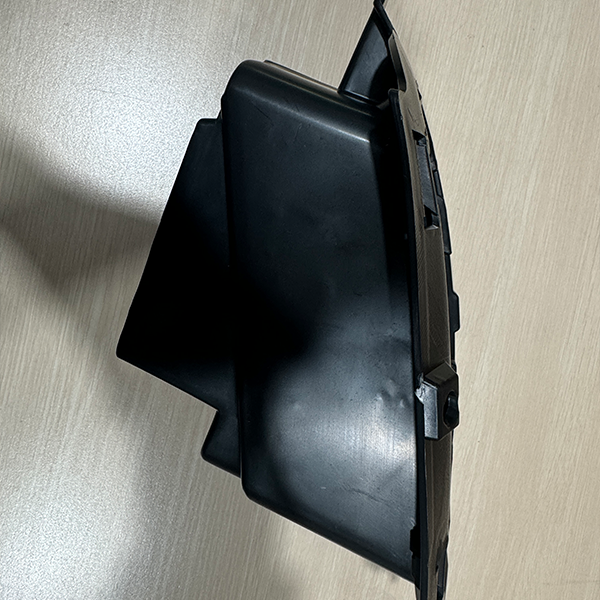
People often misjudge modern vehicle anatomy. They assume the exterior plastic shell provides crash protection. In reality, the visible plastic merely covers complex safety hardware and structural frames.
A modern car bumper is a highly engineered system. It consists of an outer fascia, a foam or plastic energy absorber, and a rigid metal reinforcement bar. More importantly, it houses Advanced Driver Assistance Systems (ADAS). These electronic components constantly monitor the road. They rely on precise physical placement to function correctly.
Minor dents often conceal major electronic issues. Even legal, minor-looking indentations can alter the trajectory of critical sensors. Consider the following risks:
Blind-spot monitors: Radar modules sit near the rear corners. A small dent can shift the radar angle by just one degree. This shift creates massive blind spots on the highway.
Parking sensors: Ultrasonic sensors embed directly into the plastic. Physical shocks can damage their internal wiring, causing false alarms or total failure.
Forward-collision radars: Front grilles house emergency braking radars. A slight misalignment prevents the vehicle from detecting stopped traffic ahead.
The relationship between structural sensors and airbag timing is critical. Your vehicle uses specialized impact sensors mounted on the front frame rails. These sensors measure the specific deceleration rate during a crash. A previously compressed energy absorber alters this crucial data. If you hit another car, the compromised foam crushes too quickly. This altered physics profile can trick the computer. The system might fail to trigger airbags correctly, or it might deploy them a fraction of a second too late. This delay vastly increases the chance of severe passenger injury.
Ignoring necessary repairs does more than threaten your safety. It actively endangers your financial security. Unrepaired vehicles carry massive liability risks on public roads.
Auto insurance carriers closely monitor vehicle histories. They include strict pre-existing damage clauses in their policies. If you experience a secondary accident with a compromised vehicle, problems arise quickly. Claims adjusters easily differentiate between fresh impact zones and rusted, pre-existing structural breaks. Carriers often deny claims entirely if they prove the initial damage worsened the secondary crash. You might find yourself paying out of pocket for an accident your insurance should have covered.
Delaying repairs increases your personal liability. You assume elevated negligence risks by driving a known safety hazard. Consider a scenario where a shifted blind-spot sensor fails to warn you of a merging vehicle. If you cause a crash, investigators will uncover the sensor failure. The opposing legal team will argue you knowingly drove an unsafe vehicle. Furthermore, if a loose piece flies off your car on the highway and shatters another driver's windshield, you are entirely responsible for those damages.
Many states enforce mandatory annual safety inspections. These programs keep dangerous vehicles off the roads. Inspectors follow strict guidelines. They will automatically fail vehicles showing compromised structural components. A failed inspection means you cannot renew your vehicle registration. Your car effectively becomes illegal to drive until you complete certified repairs. Bypassing these rules often results in immediate towing if police pull you over.
Navigating the aftermath of a collision requires logical decision-making. You need a clear standard to determine your next steps. The right choice depends on your vehicle's age, technology, and damage severity.
You can sometimes safely defer action. A clear standard exists for leaving the damage alone. If you drive an older vehicle without embedded ADAS technology, you have more leeway. Purely cosmetic scratches or tiny dents do not warrant urgent action. As long as no parts are loose, no lights are broken, and the metal substructure remains untouched, you can safely continue driving. This approach makes sense for strictly aesthetic flaws on commuting vehicles.
When action is necessary, you must choose the correct repair path. Different damage types require different professional interventions.
Paintless Dent Repair (PDR): This technique works best for minor indentations. The paint must remain intact. Mechanics massage the plastic back into shape from behind. It is highly effective when sensor disruption is absent.
Cover Replacement: Sometimes the plastic is heavily cracked. Mounting tabs shear off easily in low-speed impacts. If the metal sub-structure remains fully intact, replacing the outer shell solves the problem. A professional body shop will match the paint precisely.
Full Structural Rebuild: You face a rebuild when the impact bar bends. Shattered foam absorbers and warped frame rails dictate this path. Mechanics must cut and weld new structural points. They must restore the factory safety baselines entirely.
We strongly recommend scheduling a calibrated diagnostic. Do not rely entirely on a visual self-inspection. The naked eye cannot see micro-fractures in plastic welds. More importantly, you cannot visually confirm sensor health. A professional collision center uses specialized OBD-II scanners to verify ADAS communication. They ensure your radars point in the exact angles specified by the manufacturer. This step guarantees your vehicle behaves predictably during sudden emergencies.
The legality of driving with damage hinges entirely on road safety and equipment visibility. Traffic laws do not care about aesthetics. They care deeply about sharp edges, missing license plates, and structural instability.
You must remember that hidden safety systems exist behind the plastic shell. A minor outer crack often signifies a major internal sensor shift. The invisible risks of compromised airbag timing and radar failures far outweigh the short-term convenience of delaying an inspection.
To protect yourself legally and financially, take immediate action. We advise you to get a professional collision center estimate soon. Request a full sensor calibration check. Ensure every piece of your bumper assembly functions as originally designed. Securing a professional assessment guarantees your complete legal compliance and absolute road readiness.
A: Yes. Many states legally require a visible front license plate. A missing cover usually means a missing plate bracket. Additionally, driving without the cover exposes the metal reinforcement bar. Officers view this exposed metal as a severe pedestrian safety hazard and will issue citations.
A: It depends on the context. Using zip ties to drag your car a few miles to a repair shop is generally tolerated as an emergency measure. However, using them as a permanent highway solution is illegal. They cannot withstand high-speed wind resistance and violate secure mounting laws.
A: It can. Inspectors evaluate specific safety criteria. If the crack creates jagged plastic edges, compromises secure mounting, or damages integrated lighting and reflectors, the vehicle will fail. Minor hairline cracks without structural sagging usually pass, but major fractures require immediate replacement.
A: Most insurance policies require you to report accidents promptly. Waiting too long risks claim denial. Adjusters might argue the damage worsened over time or resulted from multiple separate incidents. Check your specific policy for time-limit requirements regarding physical damage claims.


