
Views: 0 Author: Site Editor Publish Time: 2025-10-23 Origin: Site


LED headlights revolutionize car lights with their impressive lifespan. But how long do they truly last? Understanding their longevity is crucial for modern vehicle owners. In this post, you'll learn about the importance of LED headlights and explore the various factors that affect their lifespan.
LED headlights stand out for their impressive lifespan compared to halogen and HID headlights. Here’s a closer look at how they compare and why they last longer.
Halogen bulbs typically last around 1,000 to 5,000 hours. They rely on a tungsten filament that heats up to produce light, which causes wear and eventual burnout.
HID (High-Intensity Discharge) bulbs last longer than halogens, averaging about 10,000 to 20,000 hours. They produce light by creating an electric arc between electrodes inside a gas-filled tube, but their glass bulbs can be fragile and sensitive to contamination.
LED headlights can last 30,000 to 50,000 hours or more. This makes them the longest-lasting option among the three.
LED headlights are solid-state devices, meaning they have no filaments or fragile glass parts. This contributes to their longevity. On average, OEM LED headlights last around 30,000 to 50,000 hours, which translates to about 10 to 20 years of typical use. Aftermarket LED bulbs may have a shorter lifespan, ranging from 5,000 to 20,000 hours depending on quality.
No filament to burn out: Unlike halogens, LEDs don’t rely on a filament that can break or degrade.
Lower heat production: LEDs produce much less heat, reducing damage to internal components.
Solid-state design: No fragile glass bulbs reduce the risk of breakage.
Energy efficiency: LEDs use electricity more efficiently, reducing strain on the bulb’s components.
Durability: LEDs handle vibrations and shocks better than halogen or HID bulbs.
Because of these factors, LED headlights offer better value over time despite a higher upfront cost. They also maintain brightness longer, unlike halogen or HID bulbs that dim as they age.
| Headlight Type | Typical Lifespan (Hours) | Approximate Years of Use |
|---|---|---|
| Halogen | 1,000 - 5,000 | 1 - 2 |
| HID | 10,000 - 20,000 | 5 - 10 |
| LED | 30,000 - 50,000+ | 10 - 20+ |
The lifespan of LED headlights depends heavily on the quality of their components, the LED chip and driver, and the cooling system. Let’s break down why these factors matter so much.
Every LED headlight is made up of several parts, but the LED chip, driver, and cooling system are the most critical. If any of these parts are low quality, the whole headlight’s life will shorten.
LED Chip: This is the heart of the headlight. Some chips are more efficient and produce less heat. Others run hotter, which wears them out faster. Chips that need more power or are packed tightly together also generate extra heat, reducing lifespan.
Driver: This electronic part converts your car’s alternating current (AC) into direct current (DC) that the LEDs need. Drivers are sensitive to heat and current fluctuations. A poor-quality driver or one placed too close to the LED can fail early, causing the headlight to stop working.
Cooling System: LEDs don’t produce as much heat as halogens, but they still need cooling. Most LED headlights use heat sinks or fans to dissipate heat. Small heat sinks or blocked airflow can cause overheating. Fans can break or get stuck, lowering cooling efficiency.
The LED chip and driver quality directly impact how long the headlight lasts. A high-quality chip runs cooler and brighter for longer. A reliable driver protects the LED from voltage spikes and keeps the current steady. When either is poor, heat builds up, causing early failure.Manufacturers sometimes cut corners on drivers to save costs, which leads to shorter lifespans. Internal drivers near the LED chip tend to fail faster than external ones because of heat exposure. Choosing headlights with well-designed drivers can prevent this.
Heat is the main enemy of LED headlights. Even though LEDs produce less heat than other bulbs, the heat they do generate must be managed well.
Heat Sinks: Larger heat sinks dissipate more heat. However, some cars have limited space, forcing smaller heat sinks that cool less effectively.
Airflow: Heat sinks rely on airflow to carry heat away. Poor airflow inside the headlight housing or engine bay reduces cooling efficiency.
Fans: Some LED headlights add fans to improve cooling. These fans must be high quality and durable. If they fail, heat builds up quickly, damaging the LED and driver.
Proper cooling keeps the LED chip and driver at safe temperatures, extending their life. Without it, even the best components can fail early.
Operating conditions play a crucial role in determining how long LED headlights last. Even the best LED bulbs can fail early if exposed to harsh environments or unstable electrical conditions. Let’s explore the main factors affecting their durability.
LED headlights are designed to handle tough conditions, but extreme environments can still shorten their life:
Temperature Extremes: Very hot or cold climates stress LED components. High ambient heat reduces cooling efficiency, causing chips and drivers to degrade faster. Freezing temperatures can make materials brittle and affect electrical connections.
Moisture and Dust: Water or dust entering the headlight housing can corrode electronic parts or cause short circuits. Proper sealing and intact housing are essential to keep contaminants out.
Vibration and Shock: Rough roads or off-road driving cause vibrations that loosen connections or damage delicate parts inside the headlight. LEDs are more resistant than halogens but still vulnerable to excessive shaking.
Managing heat remains a key challenge for LED headlights despite their efficiency:
Heat Build-Up: LEDs generate heat at the chip and driver. If heat sinks or fans can’t dissipate this heat effectively, components run hotter than designed.
Limited Space: Some vehicles have cramped headlight assemblies, restricting airflow around heat sinks or fans. This reduces cooling performance and shortens bulb life.
Fan Failures: Fans improve cooling but can fail due to dust or mechanical wear. A broken fan leads to rapid temperature rise and early LED failure.
Maintaining proper temperature is vital. Even short periods of overheating can accelerate aging of the LED chip and driver, reducing lifespan significantly.
LEDs need a steady current to operate safely. Fluctuations can cause damage:
Voltage Spikes: Sudden surges from the vehicle’s electrical system may overwhelm the LED driver, causing it to fail.
Alternator Issues: A malfunctioning alternator can produce unstable power, stressing the LED circuitry.
Poor Drivers: Low-quality drivers may not regulate current well, allowing harmful spikes or drops that degrade LEDs.
A high-quality LED driver protects against these fluctuations by smoothing current flow and shielding the LED chip. Without this protection, electrical instability shortens lifespan.
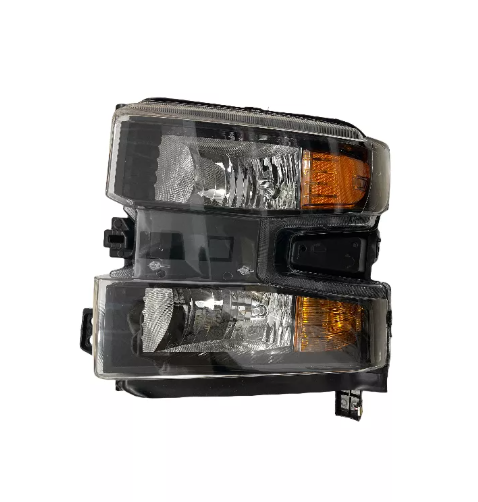
How you use your vehicle’s LED headlights impacts their lifespan more than you might think. Different driving habits, road conditions, and vibrations all play a role in how long these lights last.
The amount of time you keep your headlights on directly affects how quickly they wear out. For example, if you often drive at night or in poor visibility, your LEDs stay on longer, generating heat for extended periods. This constant heat exposure can speed up aging of the LED chip and driver.Frequent short trips where headlights turn on and off repeatedly can also stress the electronic components inside the headlight. Each power cycle creates a small surge that, over time, may degrade the driver or LED chip.
Driving mostly at night means your headlights are in use more hours compared to daytime drivers. This increases total operating hours and heat exposure, potentially shortening lifespan.Road conditions matter too. Rough, uneven roads cause more vibrations and shocks. These vibrations can loosen internal parts or damage the phosphor coating on LEDs, which affects brightness and efficiency.Driving on poorly lit or rural roads often requires high beams. High beams push LEDs to output more light and generate more heat, which can accelerate wear if the cooling system can’t keep up.
Though LEDs are more resistant to vibration than halogen or HID bulbs, excessive shaking still takes a toll. Vibrations can loosen wiring connections or damage solder joints on the circuit board, leading to flickering or failure.Repeated shocks may also cause the phosphor layer inside the LED to crack or flake off, reducing light quality and lifespan.Vehicles driven off-road or on unpaved roads experience more intense vibrations, so LED headlights in these conditions may not last as long as those in smooth urban environments.
Proper maintenance plays a key role in keeping LED headlights working well and lasting longer. Although these lights need less care than halogen bulbs, a few simple steps can make a big difference.
Dirt, dust, and grime can block LED light, making it dimmer. They also trap heat around the bulb, which speeds up wear. Cleaning headlights regularly helps maintain brightness and prevents overheating.Use a soft microfiber cloth and a small amount of rubbing alcohol or mild soap to clean the lenses. Wipe gently to avoid scratching or damaging the surface. Make sure the headlights are dry before turning them on.Regular cleaning also helps spot early signs of damage, such as cracks or moisture inside the housing, which can be fixed before causing bigger problems.
LEDs themselves resist moisture well, but the electronic parts inside can be damaged by water. Moisture can cause corrosion or short circuits, leading to early failure.The headlight housing seal keeps water and dirt out. Over time, this seal can wear down or get loose, especially after impacts or exposure to weather. Check the seals often for cracks or gaps.If you notice condensation inside the headlight, it’s a sign the seal is compromised. Fix or replace the seal quickly to prevent moisture damage.Using silicone sealant or replacing worn gaskets can help keep the housing airtight. Avoid driving through deep water or washing the engine bay with high-pressure water, which can force moisture inside.
Parts of the LED headlight system can loosen or degrade over time. Fasteners, wiring, and connectors may become loose due to vibrations or temperature changes.Inspect the wiring and connections regularly. Tighten screws and clips to ensure a secure fit. Loose wires can cause flickering or short circuits.If you notice flickering, dimming, or unusual noises from cooling fans, it might be time to replace the faulty parts. Some components, like drivers or fans, are replaceable without swapping the entire headlight.Also, check for damage to the heat sink or cooling system. Efficient cooling is vital for LED longevity.
LED headlights offer impressive longevity, lasting 30,000 to 50,000 hours, far outlasting halogen and HID options. To maximize lifespan, choose high-quality components and maintain proper cooling. Regular cleaning and checking seals also help. When selecting LED headlights, opt for products from reputable manufacturers like Changzhou Jiasheng Vehicle Parts Co., Ltd., known for their durable, high-performance lighting solutions. Their products ensure reliable, long-lasting illumination, providing excellent value over time.
A: Car lights illuminate the road for safe driving. LED headlights, a type of car light, last 30,000 to 50,000 hours due to their solid-state design, unlike halogen or HID bulbs.
A: Regularly clean LED car lights, check seals for moisture, and ensure wiring connections are secure to prevent common issues that shorten lifespan.
A: LED car lights cost more initially due to advanced technology, but their long lifespan and energy efficiency offer better value over time.
A: LED car lights' lifespan depends on component quality, cooling systems, and operating conditions like temperature and vibration.
A: LED car lights last longer than halogen (1,000-5,000 hours) and HID (10,000-20,000 hours) headlights, offering 30,000-50,000+ hours of use.


