


Hearing a sudden crunch in a parking lot brings instant dread. You step out to inspect the vehicle. Unexpected vehicle damage causes immense frustration. The immediate anxiety around out-of-pocket costs hits you hard. You just want to know the final price to make things right. Unfortunately, a single flat rate rarely exists. Estimates for a damaged bumper vary wildly.
Body shops factor in damage severity, vehicle technology, and specific repair methodologies. A simple scratch costs far less than a deep structural crack. Modern cars also hide complex electronics behind their plastic fascias. We provide a realistic, evidence-based breakdown of these costs here. You will learn the hidden variables shops evaluate, like sensor recalibration. This transparent guide empowers you to evaluate collision center estimates with total confidence.
Minor cosmetic damage (scratches, scuffs) typically ranges from $150 to $400.
Moderate damage (dents, small cracks) requiring reshaping and repainting averages $400 to $900.
Full replacements or repairs involving Advanced Driver Assistance Systems (ADAS) can escalate from $1,000 to over $2,500.
The decision between repair and replacement hinges on structural integrity, material type, and labor hours versus part costs.
Knowing baseline figures helps you spot overpriced estimates. We categorize costs by specific damage types. This sets realistic financial expectations before you visit a collision center. The table below summarizes these baseline ranges.
Damage Type | Average Cost Range | Key Labor Required |
|---|---|---|
Surface Scratches & Paint Scuffs | $150 – $400 | Sanding, paint touch-up, clear coat application |
Dents & Creases | $250 – $600 | Heat reshaping, Paintless Dent Repair (PDR) |
Punctures, Tears, & Cracks | $400 – $900+ | Plastic welding, structural adhesives, full repainting |
Minor cosmetic blemishes are the most common parking lot injuries. Prices typically range from $150 to $400. The final cost depends heavily on the scratch depth. A shallow scuff only damages the clear coat. Technicians can simply buff it out.
Deeper scratches penetrate the base color or primer. These require more intensive labor. Shops must sand the area, apply matching paint, and blend the new clear coat. A simple touch-up pen saves money but rarely looks perfect. Repainting a full panel guarantees a seamless look but pushes the price toward the $400 mark.
Backing into a pole often leaves a noticeable depression. Fixing dents usually costs between $250 and $600. Modern fascias consist of flexible thermoplastic polyolefin (TPO). This material responds well to professional reshaping.
Technicians frequently use industrial heat guns to warm the plastic. They carefully massage the dent from behind. This restores the original shape. Paintless Dent Repair (PDR) viability plays a massive role here. If the paint remains intact, PDR keeps costs low. If the plastic creases sharply, the paint usually cracks. The shop must then reshape the area, apply specialized fillers, sand it smooth, and repaint it. This extra labor quickly increases the bill.
Severe impacts puncture the plastic or tear the edges. Repairing this level of damage ranges from $400 to well over $900. You cannot simply paint over a tear. The shop must restore structural integrity first.
Technicians use specialized plastic welding equipment. They melt filler rods into the crack to fuse the pieces back together. Sometimes they apply two-part structural adhesives and reinforcing mesh behind the panel. This intensive prep work takes hours. After the structural repair cures, the painter must prime, block-sand, and paint the entire surface. Labor rates drive these estimates higher.
Shops often recommend replacing the entire part rather than fixing it. This frustrates many vehicle owners. We provide a logical evaluation framework to help you assess their recommendation. Understanding this framework helps you determine if buying a new automotive bumper makes financial sense.
Repairing the original part is often cheaper and faster. You should opt for repairs under specific conditions. Consider fixing the part if you meet the following criteria:
Cosmetic Isolation: Damage is completely isolated to the outer plastic cover (the fascia). The underlying structure remains untouched.
Minor Cracking: Cracks measure less than a few inches long. They do not cross structural mounting points or complex body lines.
Labor Economics: The cost of labor hours to fix the damage is less than the cost of a new raw part plus paint prep. Plastic welding takes time. If labor exceeds the price of a fresh part, replacing it becomes the smarter choice.
Best Practice: Always ask the shop for a breakdown of labor hours versus part costs. This quickly reveals if fixing the old piece is economically viable.
Sometimes fixing the plastic compromises your safety. You must replace the component if the integrity fails. Look for these critical warning signs:
Sheared Mounting Points: Tabs or mounting hooks are sheared off. The piece risks highway detachment if reinstalled.
Internal Damage: Deep structural damage affects the underlying impact bar or foam absorber. The outer plastic hides these vital crash components.
Material Compromise: The plastic material is stretched or compromised in a way that prevents safe curing of fillers. Heavy impacts permanently warp the plastic memory.
Common Mistake: Do not force a shop to patch a heavily torn cover. A weak repair will crack again over the first significant pothole.
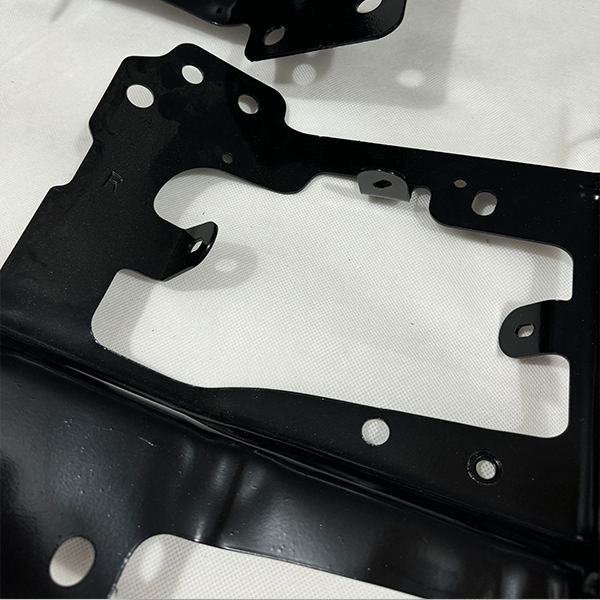
You might wonder why two similar-looking vehicles receive wildly different quotes. Technical factors cause these quote discrepancies. Understanding these factors fosters trustworthiness through transparency. We explain the three main hidden variables body shops look for.
Modern vehicles act like computers on wheels. The front and rear fascias house delicate technology. You will find parking sensors, blind-spot monitors, and forward-collision radar. Even a minor bump can knock a radar bracket out of alignment.
Automakers mandate recalibration after any collision work. Post-repair recalibration often adds $200 to $600 to the bill. Technicians must connect factory scan tools. They set up physical targets around the vehicle to ensure the sensors read distance perfectly. Skipping this step disables your safety systems. If a shop ignores recalibration, they put your safety at serious risk.
Color-matching is an exact science. You cannot just spray a factory color code and expect a perfect match. UV exposure fades older paint. Metallic flakes lay differently depending on how the painter sprays them.
Pearl, metallic, or tri-coat finishes require exceptional skill. Painters must blend the new color into adjacent panels like fenders or hoods. Blending creates a seamless optical illusion. However, this process dramatically increases labor and material costs. The shop must remove trim pieces from the fenders, prep a larger area, and use more clear coat.
If your vehicle needs a replacement, part sourcing impacts the price. Original Equipment Manufacturer (OEM) parts come directly from the automaker. They guarantee perfect fitment and crash safety. However, they carry a premium price tag.
Aftermarket alternatives cost significantly less. Third-party companies manufacture them. While cheaper, they can be potentially ill-fitting. Technicians often spend extra labor hours modifying an aftermarket car bumper to make it align with your headlights. You save on the part but pay more in labor.
Many drivers search for cheap fixes online. The Do-It-Yourself intent is very strong for minor damage. You must assess the implementation realities and risks before grabbing a rattle can of paint.
Fixing it yourself seems tempting. You can buy touch-up pens, sandpaper, and polishing compound at any local auto store. Some people even use boiling water to pop out shallow plastic dents.
Pros: Highly cost-effective for minor scuffs. It keeps the vehicle out of the shop. You can complete the job in your driveway on a Saturday afternoon.
Cons: High risk of clear coat mismatch. DIY methods cannot fix structural integrity or broken mounting tabs. You receive no warranty. Your vehicle resale value might drop if the repair looks amateurish.
Taking your car to a certified collision center guarantees professional results. They have climate-controlled paint booths and specialized welding gear.
Pros: Exact paint-matching guarantees. The shop verifies structural safety behind the plastic. They properly handle delicate electronics and perform required sensor calibrations.
Cons: Much higher upfront cost. Your vehicle will experience downtime. You must arrange for a rental car or alternate transportation for a few days.
We summarized these trade-offs in a simple chart below.
Assessment Metric | DIY Repair | Professional Body Shop |
|---|---|---|
Cost | Under $100 | $400 to $2,500+ |
Quality Guarantee | None | Lifetime warranty (usually) |
Sensor Handling | High risk of failure | OEM calibration standards |
Time Investment | A few hours of personal time | 1 to 4 days of vehicle downtime |
Deciding how to pay is the final hurdle. You must evaluate the financial math before calling your insurance agent. Filing a claim is not always the best move for your wallet.
You must compare the repair estimate against your policy deductible. Let us look at a standard example. If the repair costs $800 and your deductible is $500, insurance only covers $300. If your deductible is $1,000, insurance pays nothing at all.
Paying out-of-pocket protects your long-term premium rates. Insurance companies track every claim. Filing a small claim for a $300 payout might trigger a rate increase at renewal time. That premium spike will quickly erase any savings you gained from the claim.
The type of incident dictates your strategy. If you backed into a pole, it is an at-fault collision claim. You should probably pay out-of-pocket if the damage is minor.
However, you should involve insurance under certain conditions. Hit-and-runs, multi-car collisions, or severe underlying damage warrant a claim. If an animal strikes your vehicle, it usually falls under comprehensive coverage. Comprehensive claims rarely spike your premiums as aggressively as at-fault collision claims.
You must take actionable steps to protect your finances. Never accept the first verbal quote.
Visit at least two reputable local collision centers.
Request fully itemized written estimates. The estimate must separate parts, labor, paint supplies, and calibration fees.
Ask if they plan to use OEM or aftermarket parts.
Compare the bottom line against your insurance deductible.
Taking these steps ensures you control the process. You avoid surprise charges when you pick up the keys.
Navigating collision estimates requires basic industry knowledge. Minor cosmetic scrapes remain an affordable annoyance you can fix quickly. However, sensor-heavy modern vehicles require incredibly careful evaluation. Advanced radar systems and complex tri-coat paints push costs far higher than most drivers expect.
We advise you to prioritize structural safety over mere cosmetic perfection. Hidden damage behind the plastic compromises crash readiness. Always request fully itemized quotes from certified local collision centers. Separate parts, labor, paint, and calibration fees. This transparent approach protects your wallet and guarantees your vehicle returns to the road safely.
A: Most cosmetic repairs take one to three days. Technicians need time for paint preparation, application, and proper clear coat curing. Replacing the entire component might take longer if the specific parts are backordered from the manufacturer.
A: Yes, technicians can fix them via plastic welding and two-part structural adhesives. This works well provided the crack isn't located on a primary stress point or a critical mounting tab. Proper welding restores the plastic surface for safe repainting.
A: Plastic composites lose some original flexibility after heavy trauma. Cosmetic surface repairs look perfect but do not restore factory impact absorption if the underlying metal rebar or foam core is compromised. You must replace the structural parts behind the plastic.


