
Views: 0 Author: Site Editor Publish Time: 2026-06-24 Origin: Site


The term "bumper-to-bumper" sounds like an absolute, bulletproof guarantee against any vehicle repair bill. You might easily assume it protects every single inch of your car without question. However, this phrase is largely a clever marketing term designed to sell comprehensive coverage. It does not literally mean every piece of plastic, metal, and rubber is invincible.
You face a critical decision-stage reality right now. Whether you are evaluating a brand-new car purchase, reviewing a dealership's extended service plan, or deciding to keep a vehicle post-factory warranty, your understanding dictates your financial risk. Blindly trusting a salesperson's quick summary leaves you incredibly vulnerable to massive unexpected repair bills later.
A bumper-to-bumper warranty covers almost all major vehicle systems seamlessly. Yet, it specifically excludes wear-and-tear components designed to degrade over time. Ironically, these excluded parts often include the physical car bumper itself. Knowing the exact boundaries of your protection separates smart buyers from frustrated owners.
**Industry terminology:** It is legally an "exclusionary" warranty, meaning it covers everything *except* a specific list of explicitly excluded items.
**Core coverage:** Focuses heavily on expensive, failure-prone systems like infotainment, advanced driver-assistance systems (ADAS), electronics, and climate control.
**Standard duration:** Factory policies typically last 3 years or 36,000 miles (shorter than powertrain warranties).
**The major catch:** Wear items (brakes, tires, wipers) and cosmetic damage (dents, paint, glass) are entirely out-of-pocket.
The common name implies vast spatial coverage stretching entirely from the front to the rear of the car. It does not imply literal coverage of every piece in between. An actual automotive bumper is merely an exterior body panel. Unless it fails due to a highly documented factory defect, you pay for its repair. For instance, peeling paint from a bad factory application might qualify for a claim. However, collision damage, shopping cart dents, or daily cosmetic scrapes will not receive approval.
Contract administrators use the technical term "exclusionary" coverage to describe these plans. When evaluating a policy, you should never look for a list showing what the contract covers. A true exclusionary plan covers thousands of parts, making a comprehensive list impossible. Instead, you must heavily scrutinize the contract's "Exclusions" page. This section explicitly defines the boundaries of your protection. If a component does not appear on the exclusion list, the administrator must pay for its repair.
A high-quality policy serves a very specific purpose. It should mitigate catastrophic financial risk resulting from systemic technological or mechanical failures. It should never act as a prepaid maintenance plan. Your success criteria as a buyer rely on preventing a sudden $4,000 repair bill for a dead navigation unit. Expecting the warranty to cover routine brake replacements fundamentally misunderstands the product.
Modern vehicles resemble rolling computers more than traditional mechanical machines. The sheer volume of sophisticated technology packed into the cabin creates significant vulnerability. Understanding what your policy actually protects helps justify the initial expense.
Your policy covers screen displays, navigation systems, backup cameras, and complex sensor arrays. Modern vehicles rely on sophisticated radar and lidar networks to function properly. We apply a simple decision lens here. These components currently represent the most expensive items to repair out-of-pocket. A single lane-departure camera calibration and replacement can easily exceed four figures. Warranties excel at mitigating these specific high-tech risks.
You get robust protection for alternators, power windows, door locks, and extensive wiring harnesses. Complex wiring networks often fail unpredictably due to temperature fluctuations or manufacturing flaws. This coverage saves you from massive diagnostic labor fees. Technicians often spend hours simply locating a minor short circuit before replacing any actual parts.
The plan includes essential cooling components like compressors, condensers, and evaporator cores. Air conditioning repairs require highly specialized labor and expensive refrigerant handling. Replacing an evaporator core often requires removing the entire dashboard. These labor-intensive jobs add up rapidly if you lack proper mechanical coverage.
The policy thoroughly protects your rack and pinion assemblies, power steering pumps, and solid control arms. Notice a common theme across these categories. They involve hard mechanical components built for longevity. Wearable suspension parts like shocks or struts often face exclusion in many third-party plans because they inevitably degrade over rough roads.
You remain covered for airbags, seatbelt tensioners, and anti-lock braking system (ABS) modules. These critical components keep you alive during emergencies. They are highly complex and strictly regulated by federal standards. A failed ABS control module renders the vehicle unsafe and commands a premium replacement price at the dealership.
Understanding what administrators deny prevents frustration at the repair shop. Every contract contains rigid limitations designed to shift routine costs back to the vehicle owner. You must read the fine print to identify your actual out-of-pocket risks.
Do not expect free oil changes, filter replacements, or fluid top-offs. Alignments and regular tire rotations fall completely under your financial responsibility. These tasks represent the standard, predictable costs of daily driving. Warranties exist to cover unexpected defects, not predictable upkeep.
Brake pads, metal rotors, windshield wipers, clutch linings, and tires face strict exclusion. We must contextualize this rule clearly. No warranty covers parts deliberately designed to degrade through normal use. A brake pad literally sacrifices its own material to stop your heavy vehicle. Administrators categorize these items as consumables.
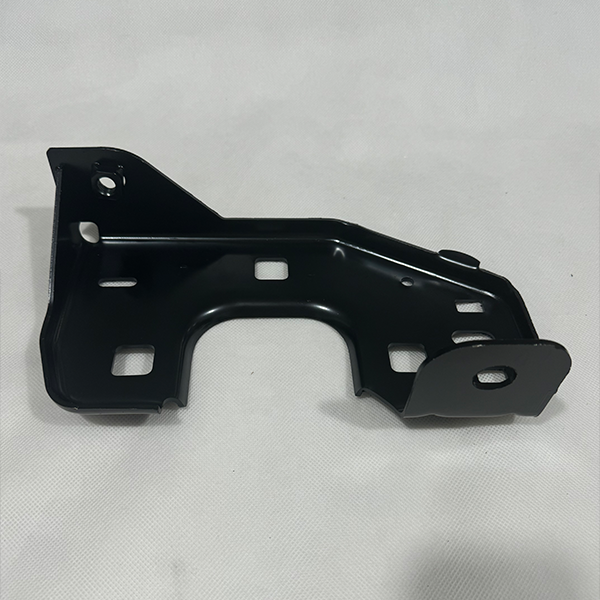
You must pay out-of-pocket for door dents, upholstery wear, and cracked glass. Rust is generally excluded unless actual perforation occurs through the metal panel. True perforation might fall under a completely separate factory corrosion warranty instead. Even a structurally vital bumper bracket isn't covered if it bends simply because you struck a deep pothole.
Consumers frequently take actions that accidentally void their expensive protection plans. You must understand how adjusters evaluate claims to avoid instant denial.
Aftermarket Modifications: Installing aftermarket engine tunes or aggressive suspension lifts gives claims adjusters incredibly easy grounds for denial. If your modification altered the factory engineering limits, they will reject the mechanical claim.
Neglected Maintenance: Missing your scheduled oil changes leaves a damaging paper trail. If an engine part seizes due to poor lubrication, the administrator will demand your service records. Missing records guarantee a denied claim.
Branded Titles: A salvage or rebuilt title instantly nullifies any active manufacturer agreement. Never buy a heavily wrecked vehicle expecting the factory coverage to remain valid.
Automakers heavily advertise their long-lasting powertrain warranties. This marketing tactic often confuses buyers who assume their entire car remains protected for a decade. You must clearly identify the coverage gap between these two distinct policy types.
The powertrain includes the heavy metal engine block, the complex transmission, and the drive axles. These are simply the core parts making the car move. They generate power and propel the vehicle forward. The powertrain policy exclusively covers these deeply internal, oil-lubricated components.
Bumper-to-bumper agreements almost always expire much earlier than the powertrain limit. A standard factory plan typically offers a 3-year or 36,000-mile comprehensive duration. Meanwhile, the accompanying powertrain duration often stretches to 5 years or 60,000 miles. This timeline mismatch creates a highly specific vulnerability period during years four and five.
When deciding on an extended warranty, you must honestly assess your car's specific reliability data. Are the common failure points located inside the engine? The powertrain policy handles those major internal breakdowns. Or do the common failures reside in the delicate electronics and infotainment center? Those complex technological failures strictly require active exclusionary coverage to secure a payout.
Coverage Category | Typical Duration | Primary Focus | Common Claim Examples |
|---|---|---|---|
Bumper-to-Bumper (Exclusionary) | 3 years / 36,000 miles | Electronics, Climate, Sensors, Safety Systems | Infotainment screen, AC compressor, Alternator |
Powertrain (Inclusionary) | 5 years / 60,000 miles | Mechanical propulsion, Internal engine parts | Cracked engine block, Transmission failure |
Corrosion / Perforation | 5+ years / Unlimited miles | Sheet metal integrity | Rust holes through exterior body panels |
Purchasing an extended service plan involves gambling against future repair costs. You pay an upfront premium to offload unpredictable financial burdens onto an administrator. Determining if this purchase makes sense requires a logical evaluation of costs, providers, and contract terms.
You must compare the average upfront cost against real-world repair invoices. An extended policy usually costs between $1,500 and $3,500 depending on the vehicle brand. Meanwhile, replacing a dead modern infotainment head unit easily hits $2,000 alone. A single major technological failure effectively pays for the entire contract. If you buy a complex luxury vehicle, the math heavily favors purchasing the extended protection.
You must carefully assess the trustworthiness of the company backing the contract. Manufacturer-backed (OEM) extended warranties generally offer incredibly seamless claims. You simply drop the car at any franchised dealership, and they handle the paperwork internally. Third-party plans require intense vetting on your part. You need to check administrator ratings, verify claim-approval timelines, and watch out for severe repair network restrictions.
Deductible types radically change your final out-of-pocket expenses at the repair shop. Administrators usually offer two distinct payment structures. A per-visit deductible charges you one flat fee per garage trip, regardless of how many issues the mechanic fixes. A per-repair deductible charges you a fee for every distinct component fixed during that single trip. Always negotiate for a per-visit deductible to minimize your financial exposure.
Do not let finance managers rush your decision. Take control of the evaluation process by following a systematic approach before signing any documents.
Demand a full copy of the sample contract before discussing the final price.
Jump straight past the marketing fluff and locate the "Exclusions" section.
Cross-reference those explicit exclusions with known reliability issues for your specific vehicle model.
Verify the exact repair network restrictions to ensure your favorite mechanic qualifies for payouts.
Clarify the deductible structure and confirm whether the policy transfers to a new owner later.
A comprehensive bumper-to-bumper warranty remains the closest thing to absolute financial protection against unpredictable vehicle defects. Modern cars rely heavily on fragile, highly expensive electronic networks that traditional mechanics struggle to diagnose cheaply. This type of exclusionary coverage perfectly bridges the gap between reliable mechanical parts and highly unpredictable technological failures.
However, you must maintain a healthy degree of skepticism. This contract is never a magic shield against the normal costs of driving. You will always pay for degrading wear items, poor personal maintenance habits, and cosmetic exterior damage. Treat the policy purely as catastrophic risk mitigation, not a maintenance waiver.
Review your current vehicle mileage immediately to understand your exact vulnerability window. Check your factory expiration dates online today. Finally, always request a full terms-and-conditions document to review at home before signing any extended protection agreement at a dealership.
A: No, that is what auto insurance is for. Warranties only cover mechanical failures and defects resulting directly from the manufacturing process. If you crash into a wall or scrape a pole, your auto insurance policy handles the resulting repair costs.
A: No, these are standard wear-and-tear items excluded from virtually all policies. They are fundamentally designed to degrade through normal driving use. You are always financially responsible for replacing them as part of your routine vehicle upkeep.
A: Usually yes, but it often requires a small transfer fee paid to the administrator. You must also adhere to strict paperwork deadlines defined in the original contract. Transferring active coverage can significantly boost your vehicle's private resale value.
A: Under factory warranties, warranty work must usually be done at an authorized franchised dealership. Extended warranties vary heavily by administrator. Some third-party plans allow any ASE-certified mechanic to perform repairs, while others tightly restrict you to specific approved repair networks.


